May, 2026
After four beautiful nights in Glencoe, Friday morning arrived with the familiar ritual of packing away chairs, winding in cables, and finding homes for everything that had somehow migrated around the van during the week. With the mountains disappearing slowly in the mirrors behind us, we headed south for the final stop of our Scottish road trip.
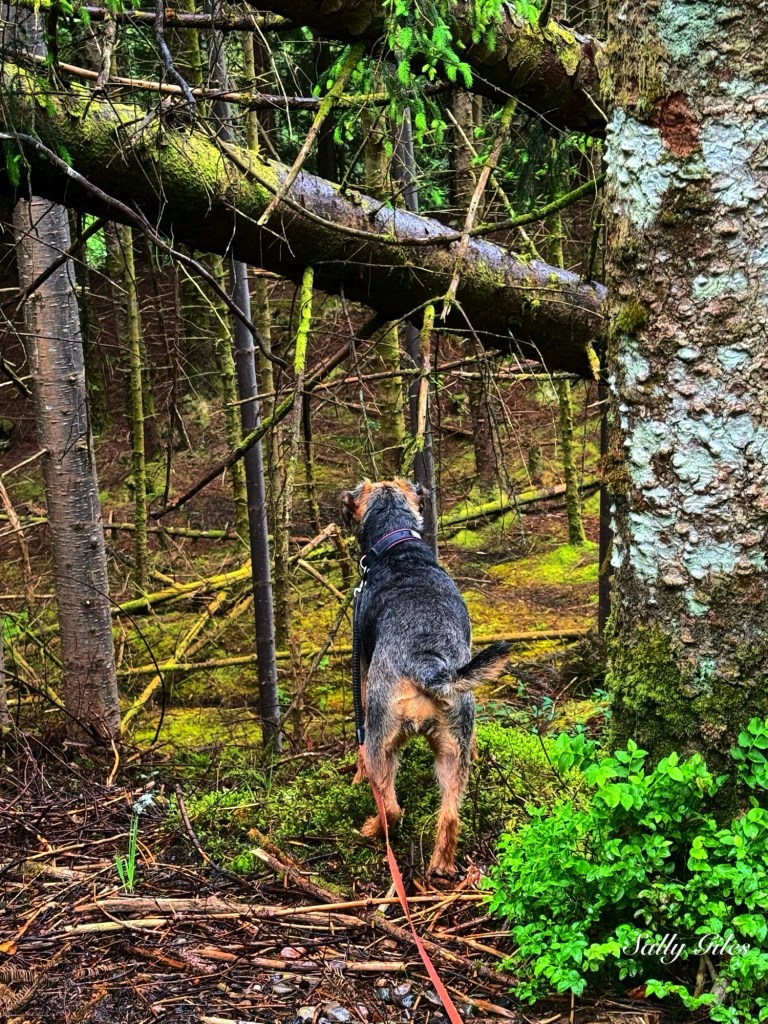
Our destination was the picturesque village of Luss, perched on the western shores of Loch Lomond.
Luss is one of Scotland’s most photographed villages, and it is easy to see why. Stone cottages adorned with flowers line quiet streets leading down to the loch, while beyond the shoreline the waters stretch north into the Highlands. Loch Lomond itself is Britain’s largest lake by surface area, forming part of the boundary between the Lowlands and Highlands. Its islands, wooded shores, and surrounding hills have inspired artists, writers, and travellers for centuries, while the village itself grew from an ancient settlement established by the Colquhoun clan, whose influence can still be seen throughout the area.
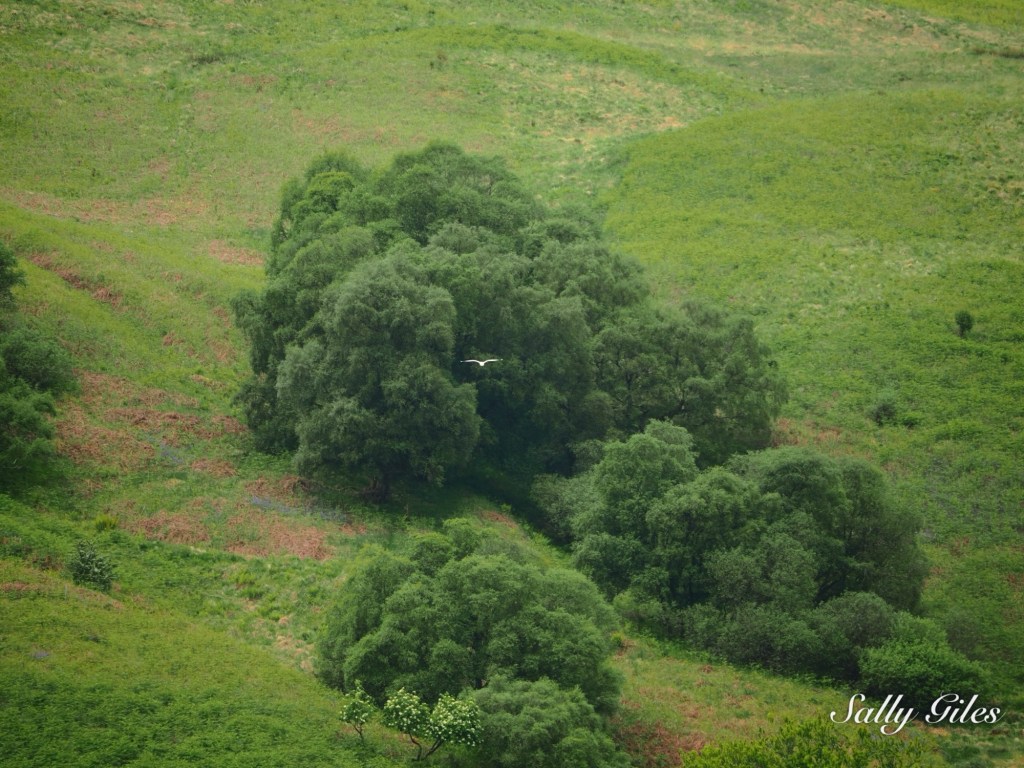
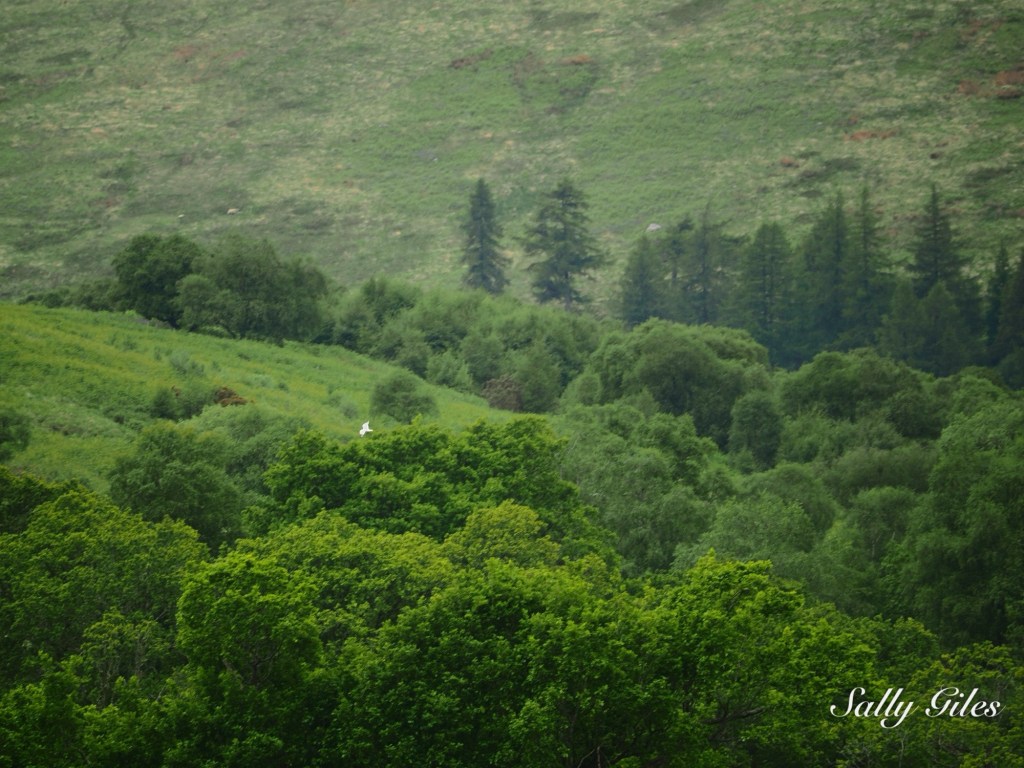
Unfortunately, Scotland had decided our arrival should be marked with rain.
As we pulled onto the campsite and began setting up, we encountered what can only be described as Scotland’s other national wildlife attraction: midges.
For those fortunate enough never to have met one, a Highland midge is a tiny biting insect, barely visible individually but capable of appearing in clouds of astonishing density. They thrive in still, damp conditions and possess an uncanny ability to locate any exposed patch of skin within seconds. One midge is an irritation. Several thousand become a force of nature. We spent much of the setup process performing an awkward dance involving rapid movements, frantic swatting, and occasional colourful language.
With the weather showing little sign of improvement, I concentrated on the nesting duties while Mark and Pepper ventured off to investigate local food options.
The consensus was quickly reached: takeaway.
After collecting dinner, we retreated to the shelter of the van and spent a wonderfully relaxed evening listening to the rain tapping gently against the roof. After the heat and activity of Glencoe, there was something rather comforting about slowing down and simply enjoying a quiet night in.
Saturday dawned considerably brighter. The rain had eased, leaving behind soft skies and fresh air. We spent the day exploring Luss itself, wandering its narrow lanes, browsing the small independent shops, and strolling along the river paths that weave around the village.
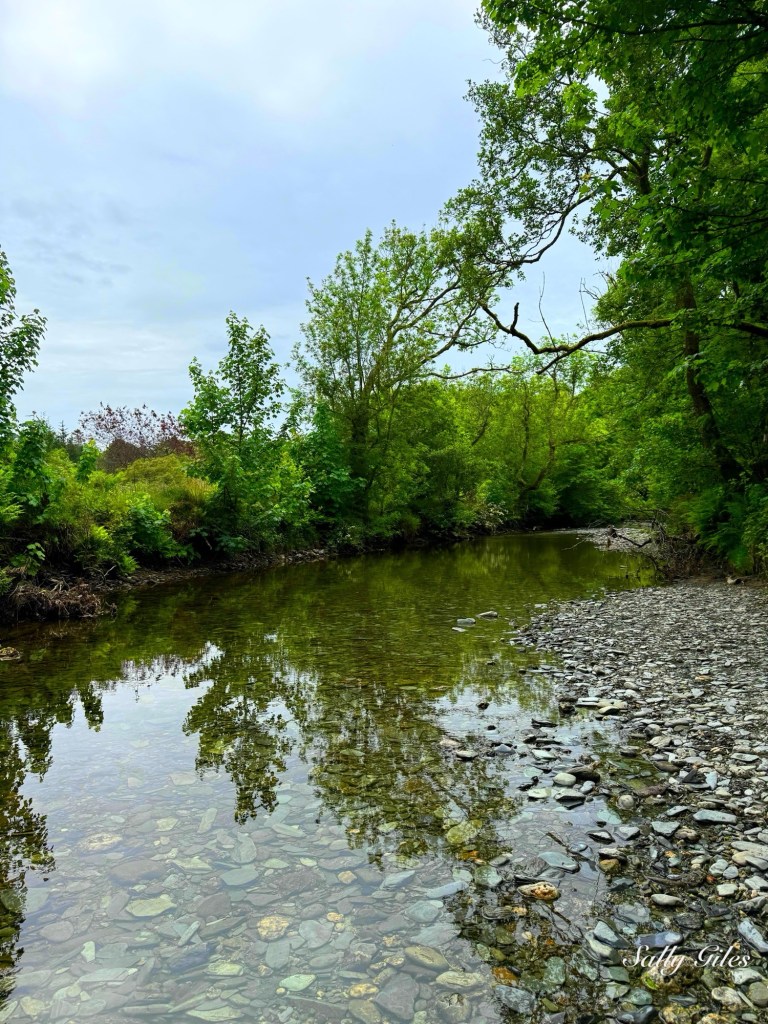
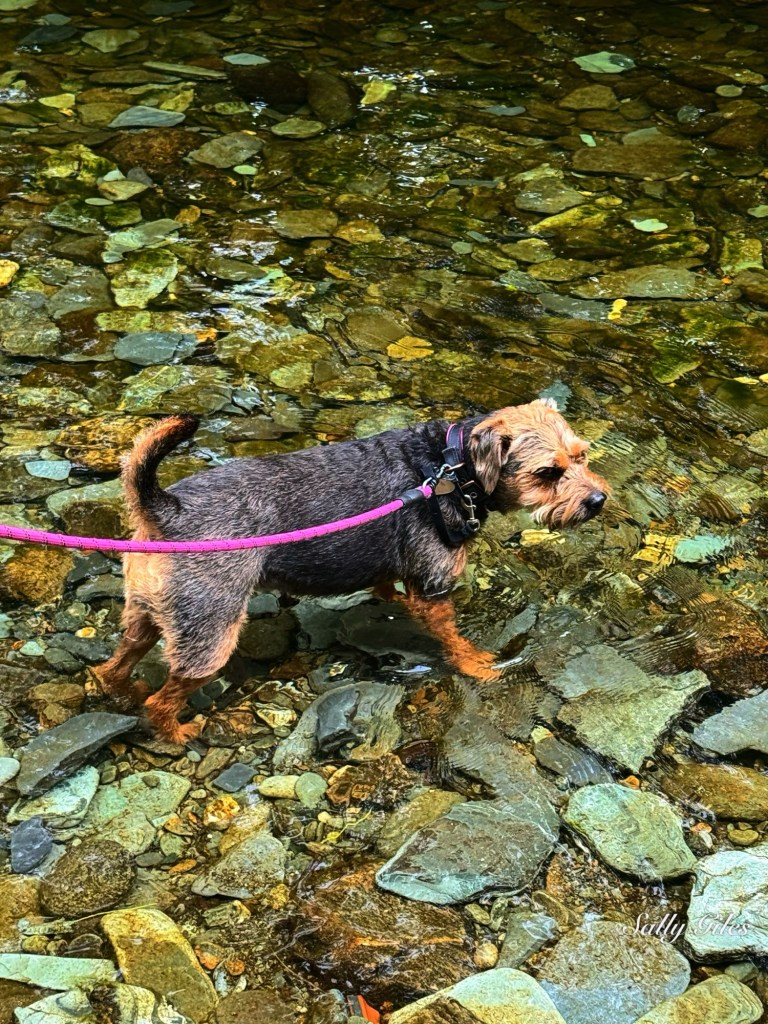
The pace felt entirely different from the previous week. There were no ambitious walks, no long drives, and no schedules to keep. Instead, we allowed ourselves the luxury of simply being where we were. Watching boats drift across the loch, listening to the water lap gently against the shore, and enjoying those final holiday hours before reality inevitably returned.
As evening approached, we assembled a holiday feast of the finest kind: an antipasti spread built around local cheeses, cured meats, olives, crackers, and a bottle of something suitably chilled. Sitting together as the light faded over Loch Lomond, it felt like the perfect way to bring the trip to a close.
And perhaps that was the theme of the entire journey.
From the bluebell woods and beavers of Killin, to the towering mountains of Glencoe and the still waters of Loch Lomond, Scotland had once again reminded us why we keep returning. It is a place of immense landscapes and quiet moments, where history sits comfortably alongside wildlife, and where a simple walk can become the highlight of a day.
By the time we turned for home, the kitchen chaos waiting for us felt a little less important. The boxes would still be there. The dust would still need cleaning. The unpacking would still happen.
But for a week, there had been mountains, lochs, sunsets, wildlife, good food, and time spent together.
Sometimes, that is exactly what you need.




Leave a comment