I have been rather remiss.
Our South West adventure did not, despite what the prolonged silence on this blog might suggest, end in Glastonbury. Life simply intervened somewhere between returning home and writing about the rest of it.
So, somewhat belatedly, we return to the van…
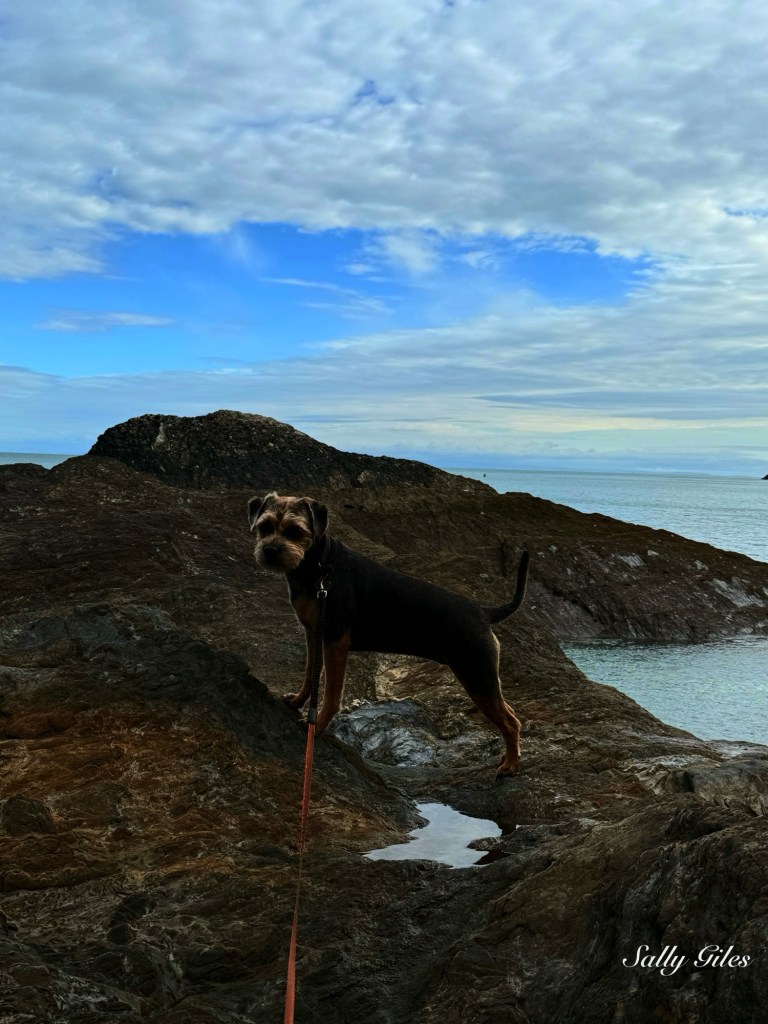
On Tuesday 8th September, we bade farewell to Glastonbury and pointed ourselves west towards North Devon and Combe Martin.
It was quite a change of landscape. Leaving behind the great flat sweep of the Somerset Levels, we headed towards the increasingly folded countryside of Exmoor and eventually the coast. Combe Martin sits tucked into a remarkably narrow valley at the western edge of Exmoor, its long village running down between steep hills to a sheltered bay on the Bristol Channel. Fishing and farming shaped much of its history, but the surrounding hills also concealed silver and lead; Combe Martin was once an important mining centre, with its silver reputedly helping to finance Edward I’s campaigns. Visit Devon
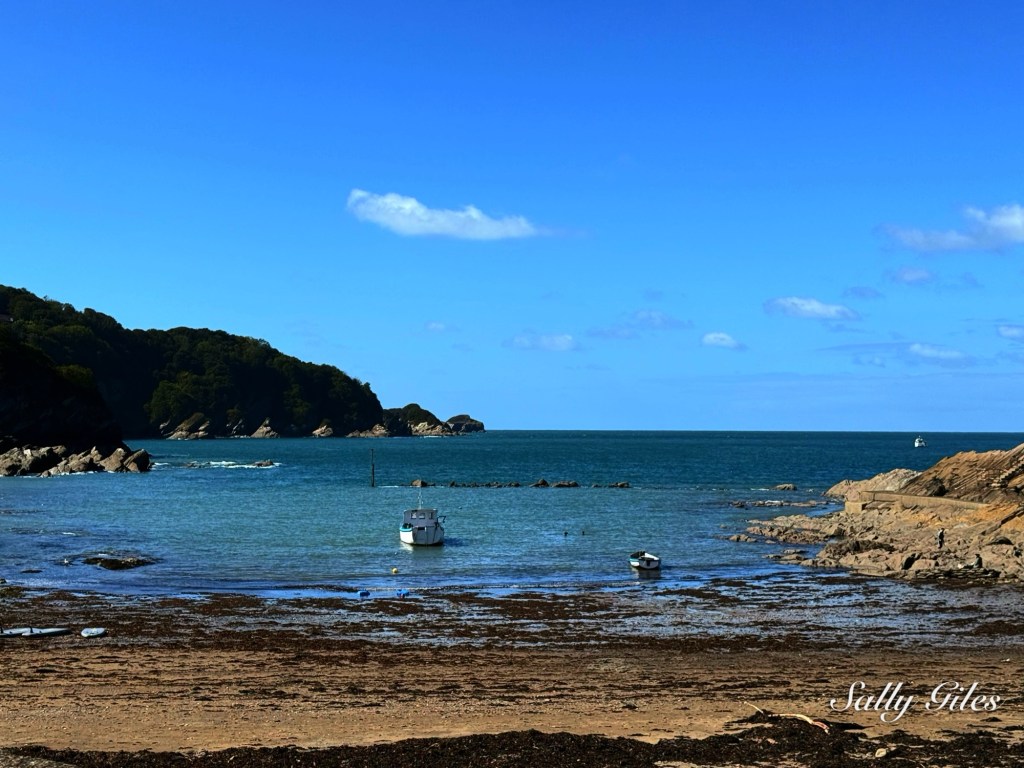
Our interests were rather less ambitious.
We had brought a paddleboard.
We arrived at Sandaway Beach Holiday Park in glorious sunshine, set up camp and surveyed our surroundings. A private beach below us, the sea stretching into the distance, sunsets from the van and the quiet sound of waves drifting up the cliffs.
Almost perfect.
There was just one small problem.
The beach was down there.
Anyone familiar with the Devon coast will probably understand what I mean by this. Things can appear tantalisingly close while requiring an alarming combination of steep paths, steps, more paths and yet more steps to actually reach them.
We contemplated carrying the paddleboard down.
We contemplated carrying the paddleboard back up.
Perhaps later in the week…
The weather, meanwhile, remained resolutely beautiful and very warm, in complete defiance of virtually everything I had packed.
Up the Hangman
On Wednesday morning we decided to walk up Little Hangman.
The name sounds wonderfully sinister, although its precise origin appears rather less obliging than the legends it invites. Little Hangman and its larger neighbour, Great Hangman, rise dramatically above Combe Martin and form part of this spectacular stretch of the South West Coast Path. Great Hangman is the higher of the two and part of a coastline containing some of England’s highest sea cliffs.
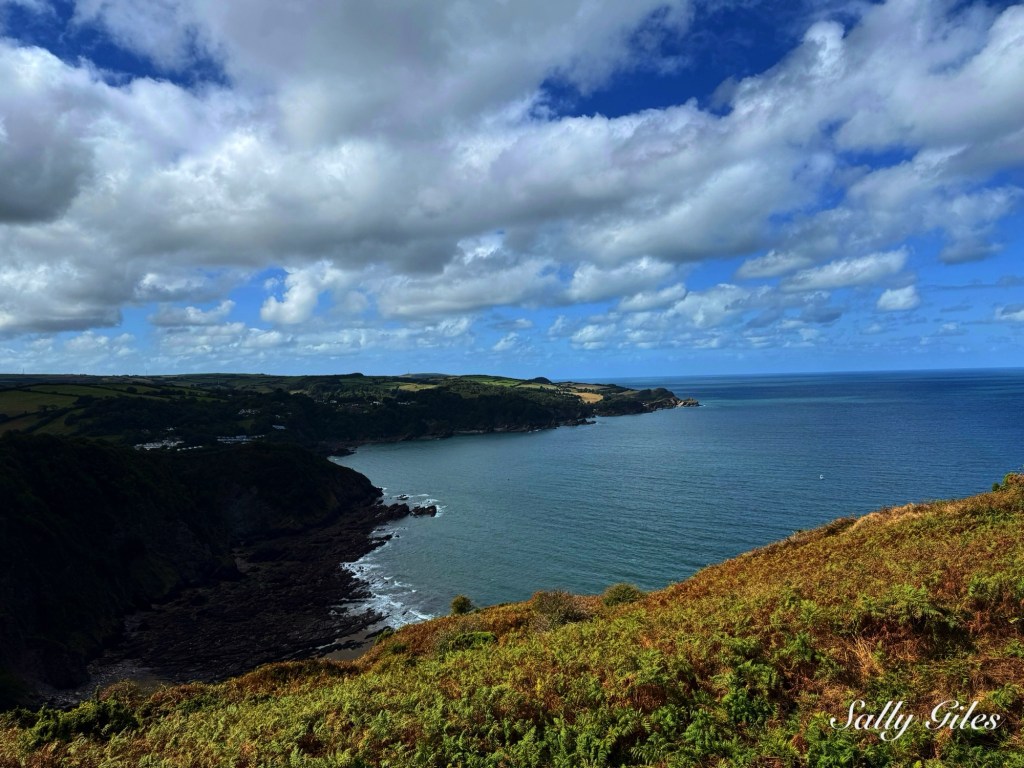
We weren’t tackling the big one.
It was hot.
Very hot.
We meandered steadily upwards through narrow paths and stony steps, occasionally questioning our decision-making, until finally we emerged onto the open hillside.
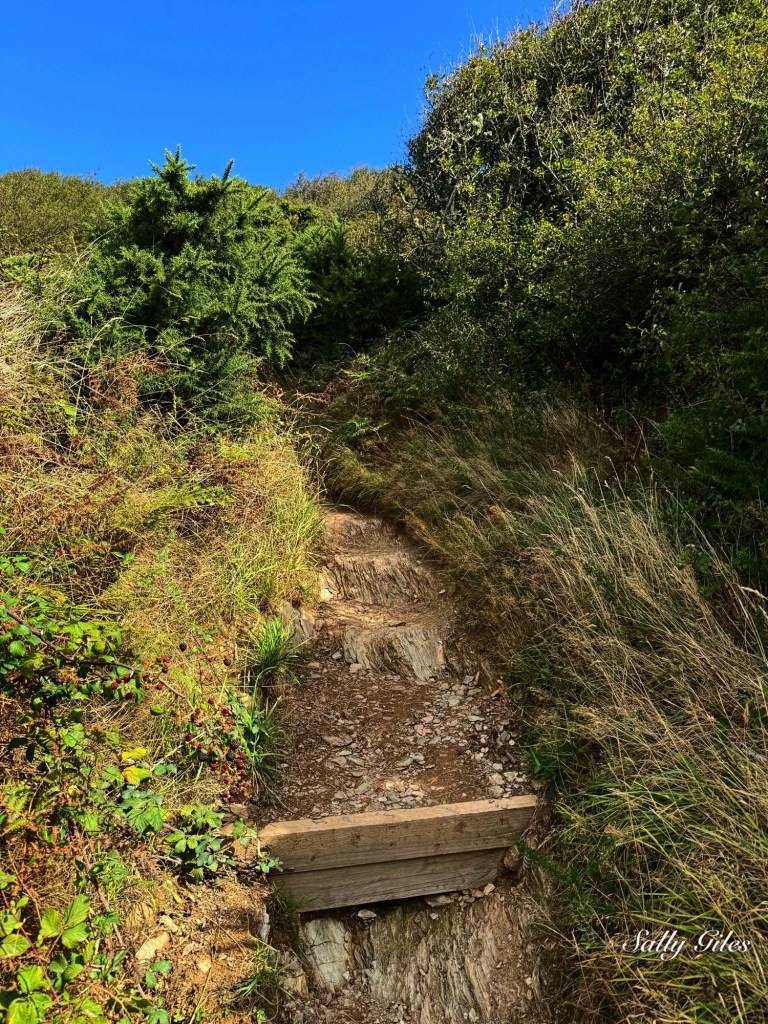
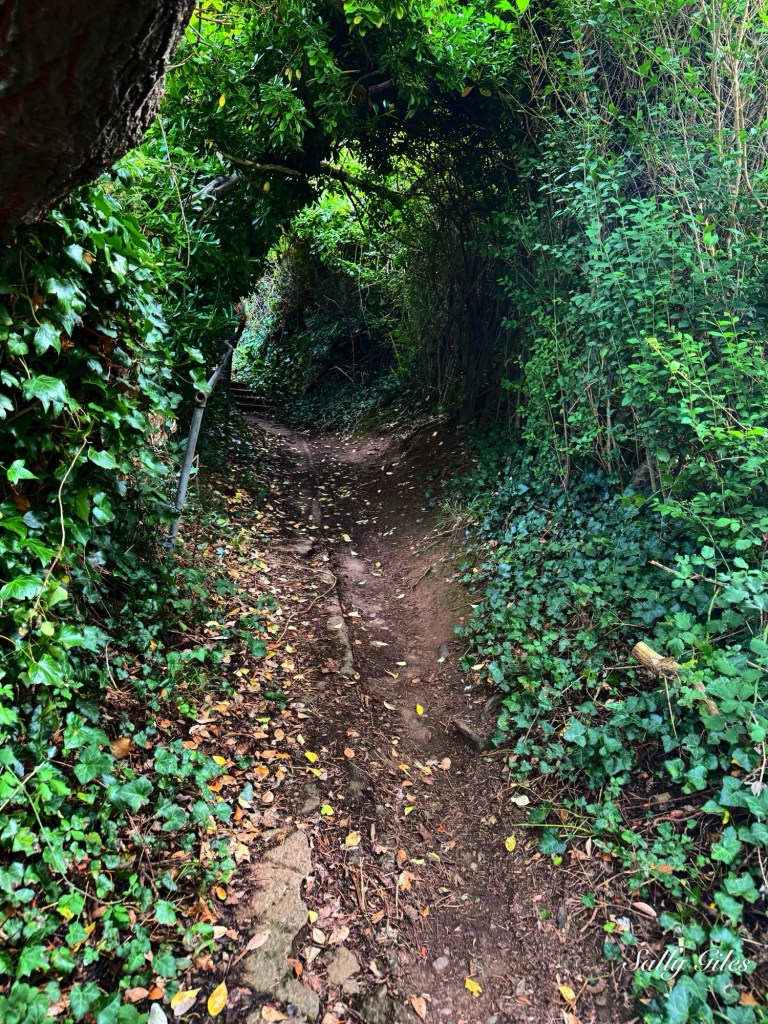
And suddenly every sweaty step was worth it.
The view was breathtaking.
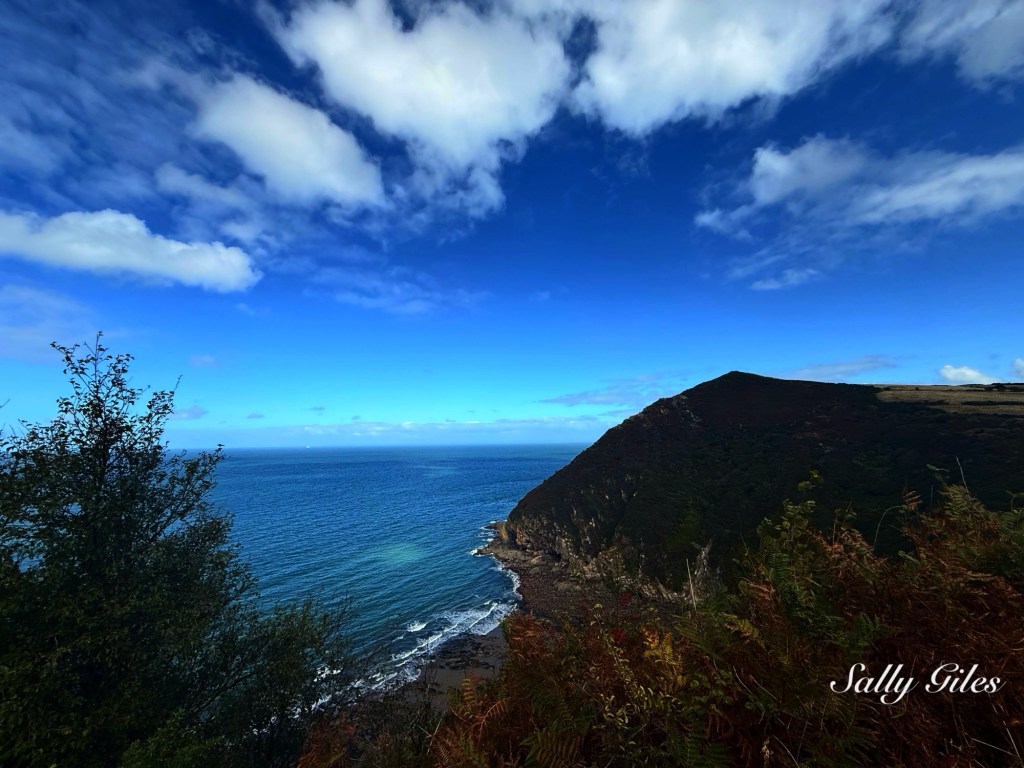
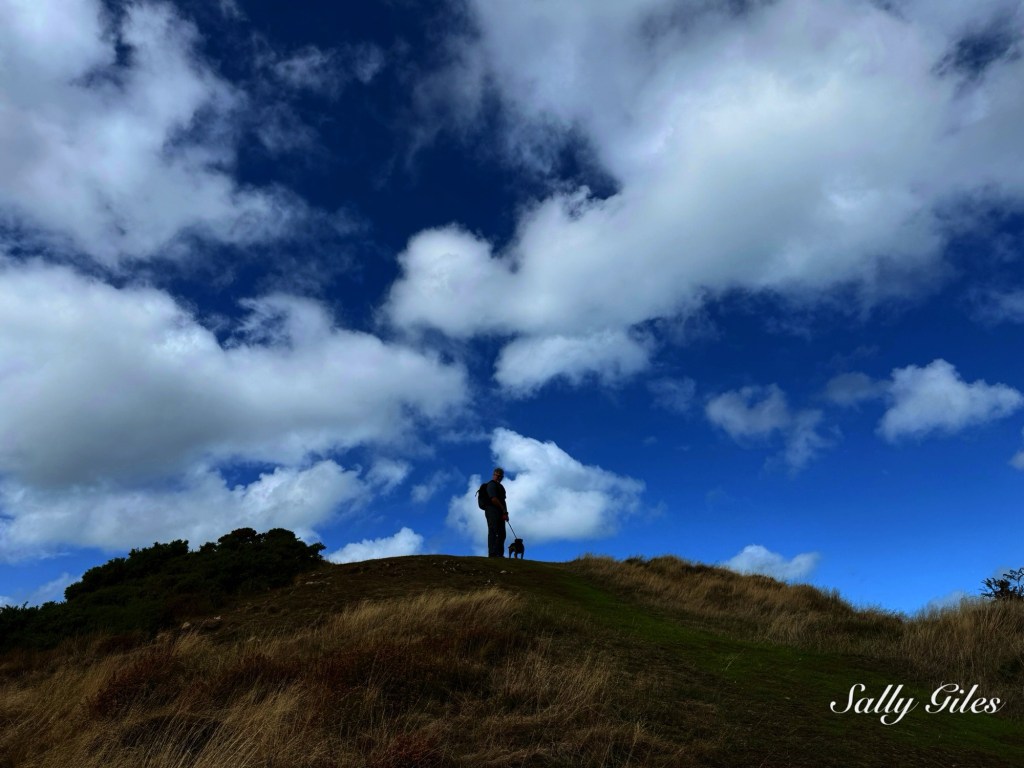
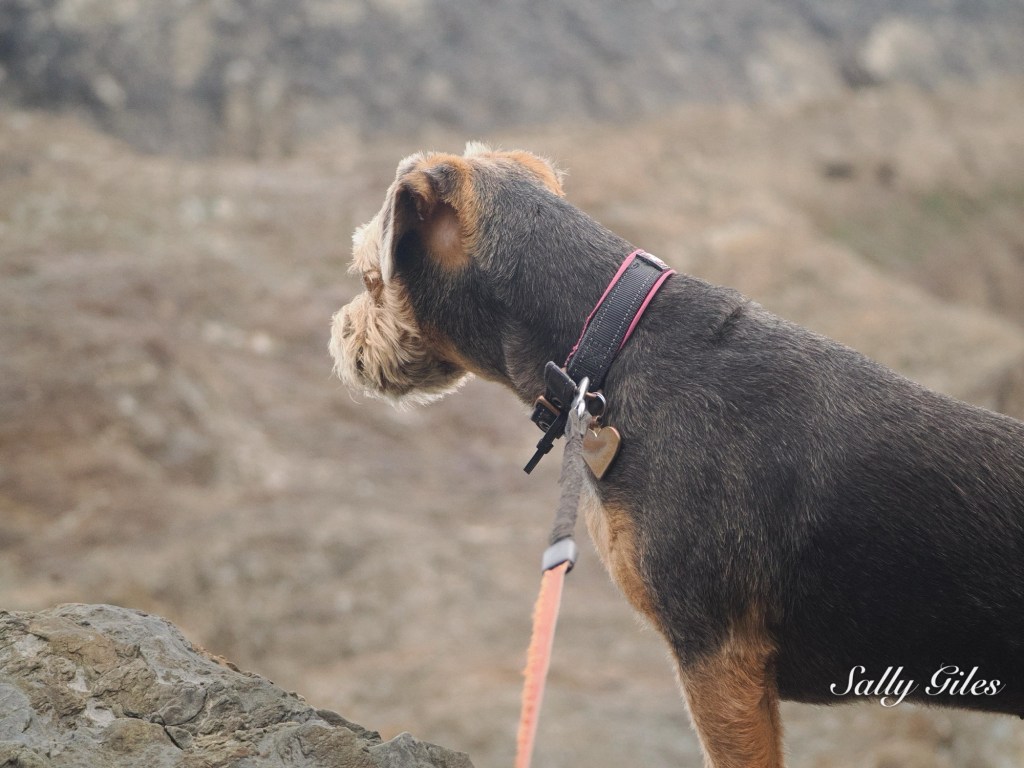
Blue sea met blue sky at an almost invisible horizon, while the North Devon coastline unfolded below us in cliffs, coves and folds of green. On a day like that it was difficult to imagine being anywhere else.
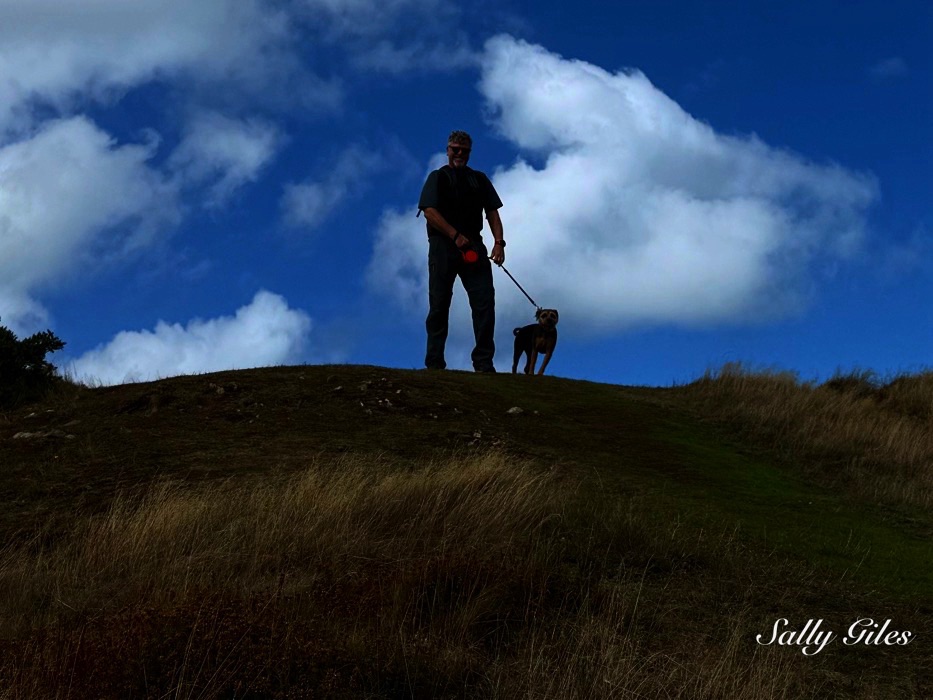
Curiously, though, it was almost silent.
After the constant birdsong of home, the absence was striking. An occasional meadow pipit trilled somewhere across the hillside and gulls called from the cliffs, but otherwise the landscape seemed strangely still.
What we lacked in birds, however, we made up for in fungi.
Mushrooms were beginning to appear beside the paths, providing plenty of reasons to stop, peer and photograph. Later I discovered a rather fabulous mushroom identification app.
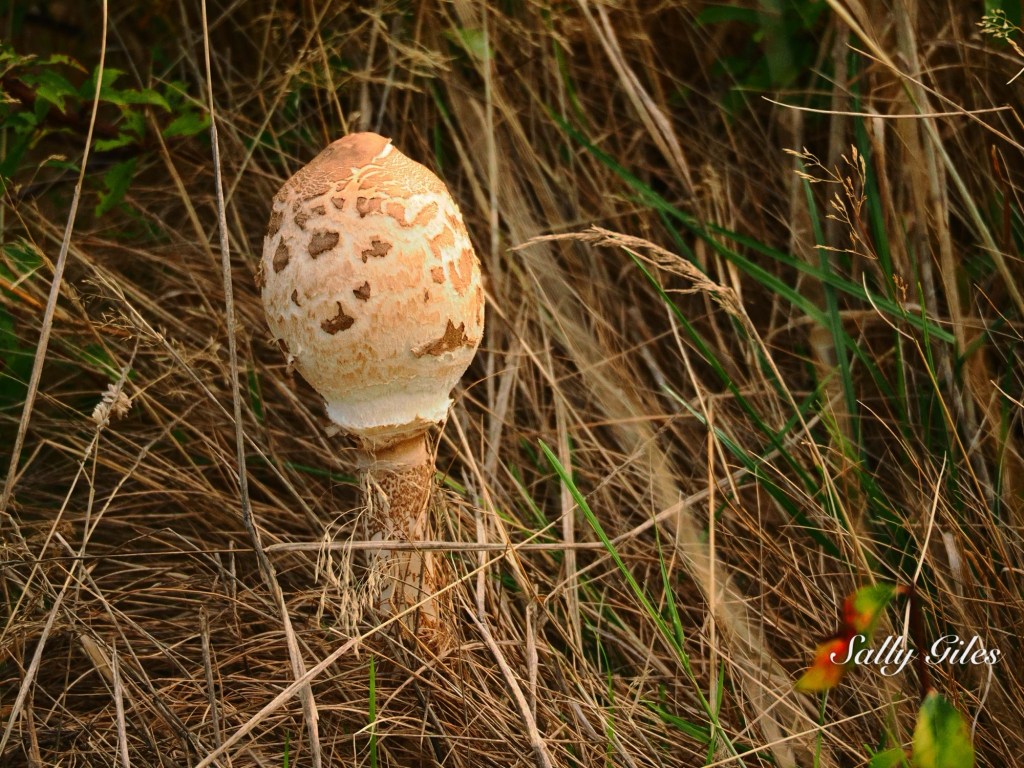
This may prove to have been a mistake.
Peak mushroom season is approaching and I can already see the direction this is going.
Fossils. Sort of.
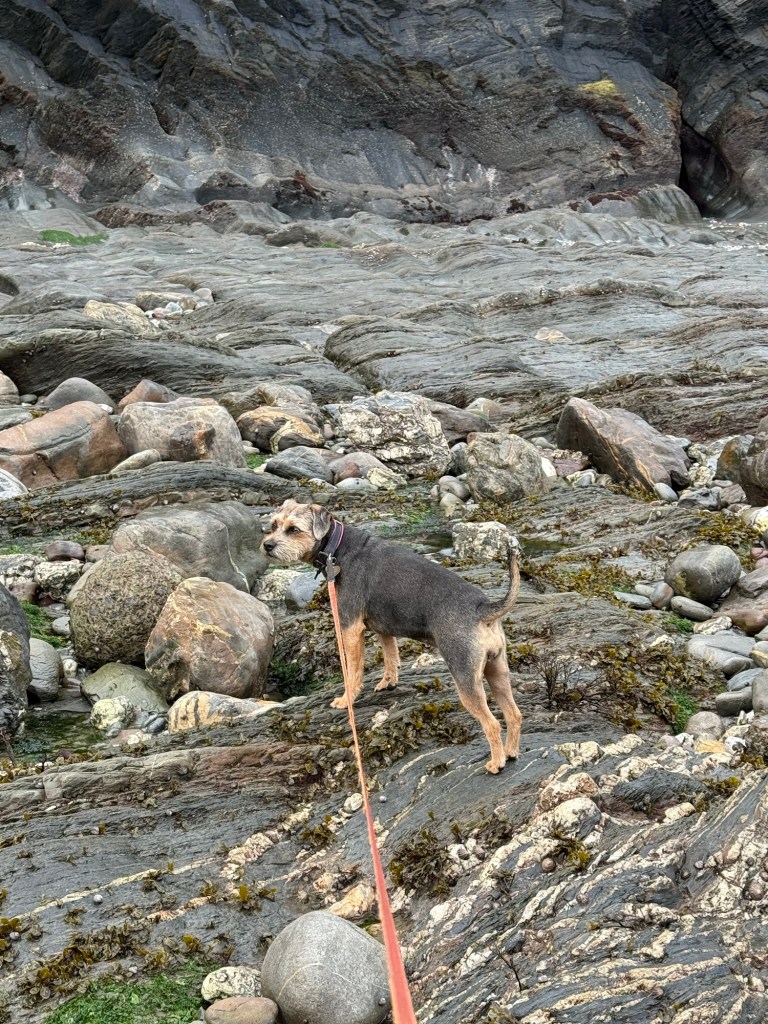
On our descent we stopped at the Focsle Inn for a restorative cider and something to eat before wandering down to the beach.
Here I embarked upon a little fossil hunting.
North Devon’s rocky shoreline is irresistible to someone who likes poking around amongst stones, and before long I made what appeared to be an exciting discovery.
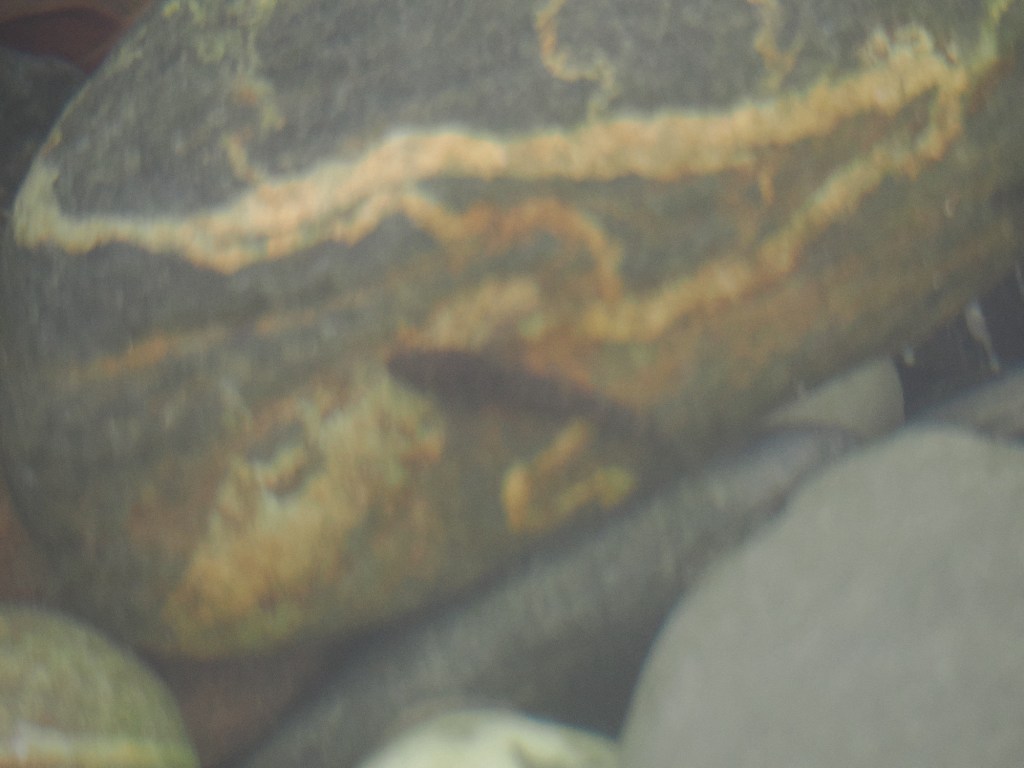
A fossilised mussel!
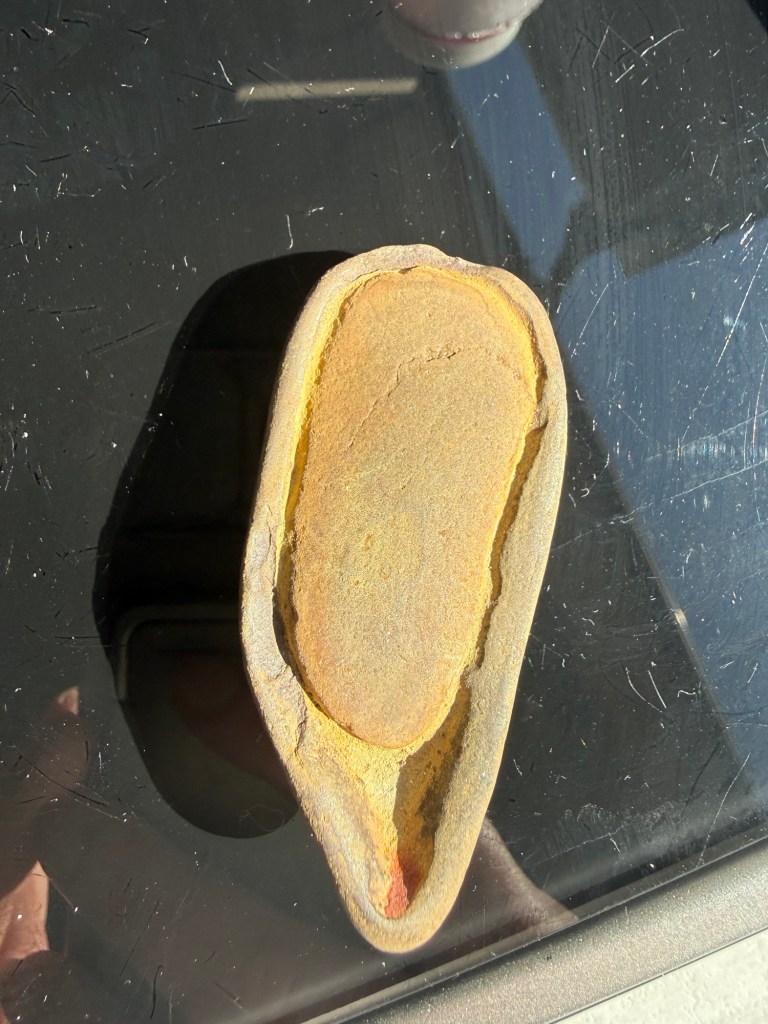
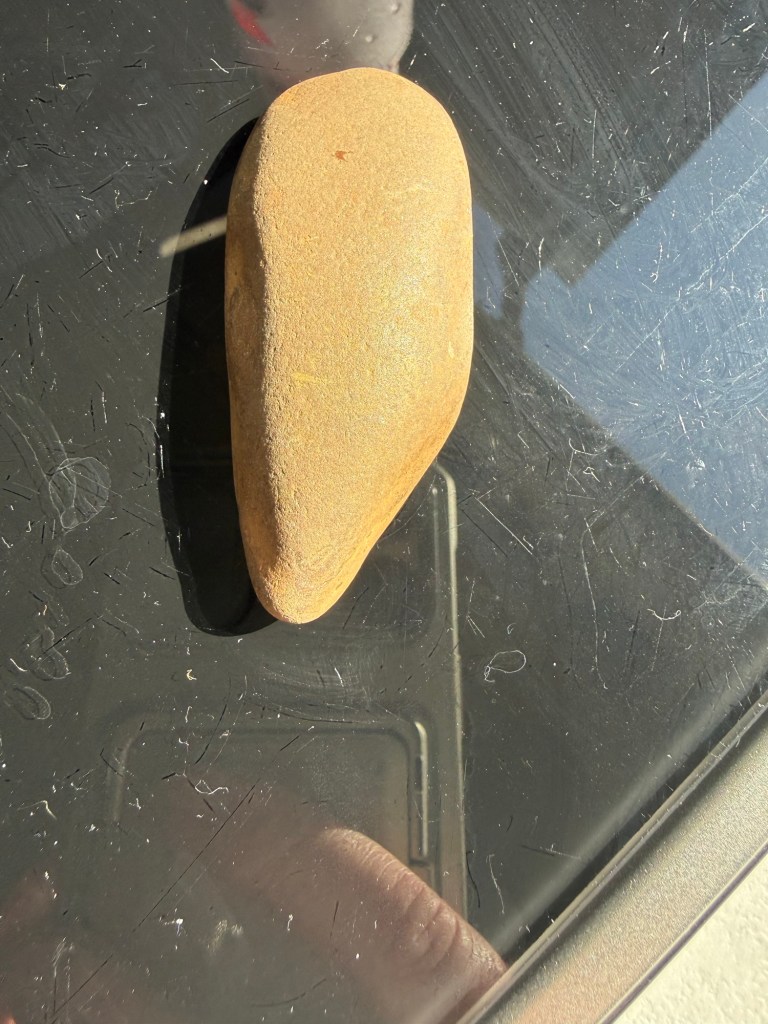
I bore my treasure triumphantly back to the van.
Closer inspection followed.
Then photographs.
Then internet research.
Then disappointment.
My ancient mollusc appeared, in fact, to be a rock that had spent a considerable amount of time being battered by the sea and had consequently developed an uncanny resemblance to a mussel.
I kept it.
Obviously.
The Art of Doing Very Little
And that, really, set the pace for the remainder of our stay.
We did a great deal of not very much.
There was pottering. There was good food. There was sunshine. There were leisurely wanderings and long periods sitting outside the van enjoying the view.
The paddleboard remained remarkably well rested.
And I make absolutely no apology for any of it.
Some holidays are for ticking off places and filling every hour with things to do. Others are for waking without an alarm, deciding what to eat next and occasionally remarking what a lovely day it is.
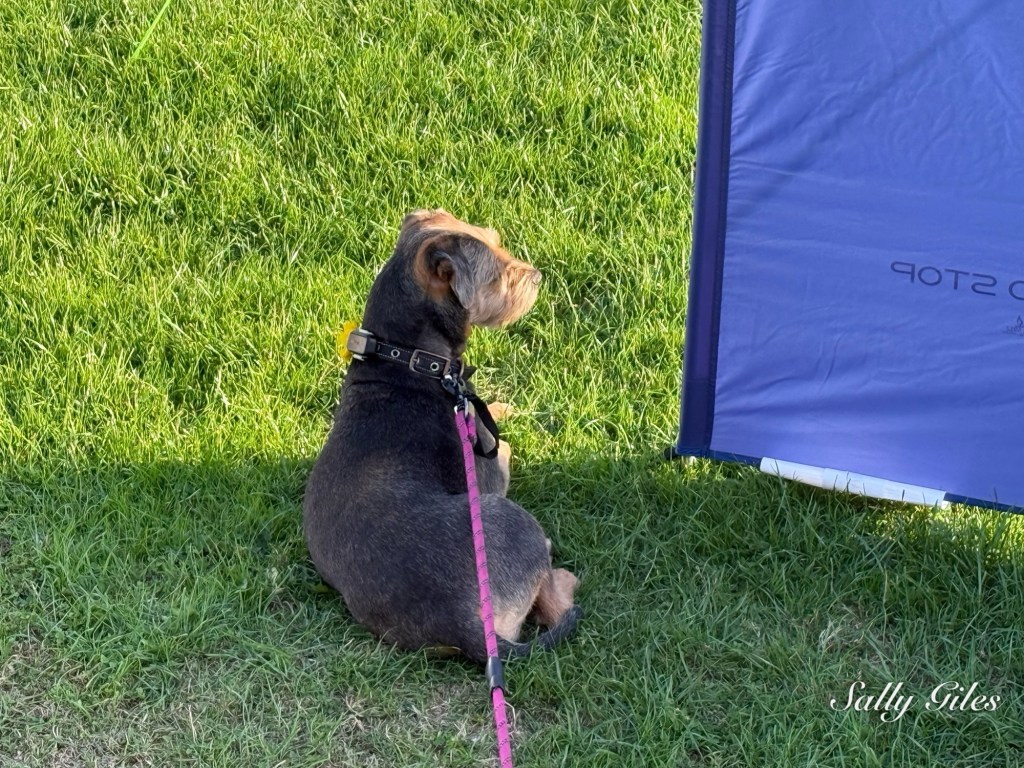
Combe Martin became the latter.
Naturally, being in Devon, there was also a cream tea.
This presented the inevitable question.
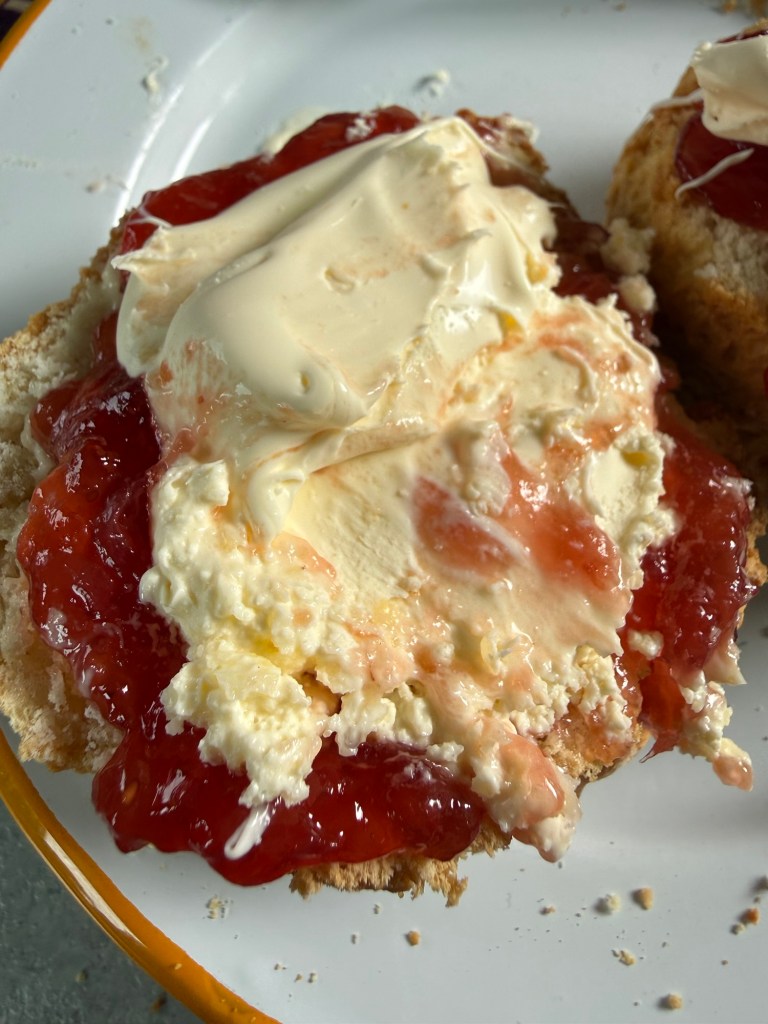
Cream or jam first?
Mark respected local custom and went cream first.
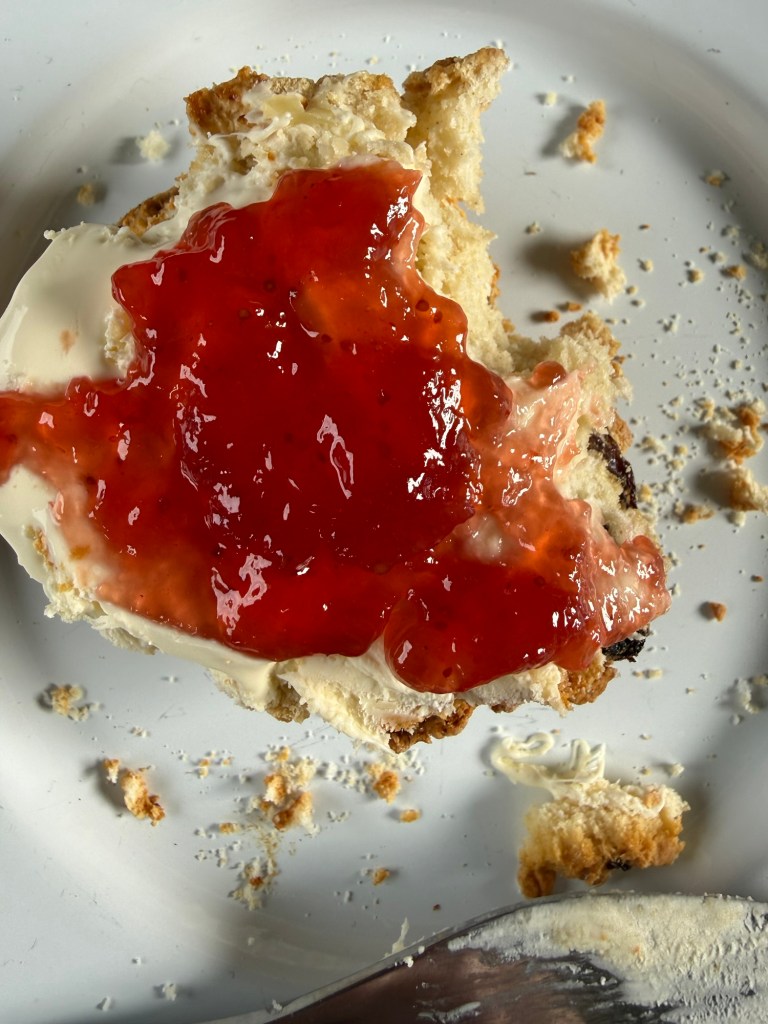
I may have been physically present in Devon, but I am Cornish in my soul.
Jam first.
Always.
I suspect neither county will consider this debate satisfactorily resolved.
Looking back, Combe Martin wasn’t really about any single grand adventure. It was blue skies and steep paths; cider after a hot walk; mushrooms beside the trail; sunsets over the sea and a paddleboard that travelled hundreds of miles to enjoy an uninterrupted holiday in the van.
Even my treasured Devon fossil turned out to be an unusually convincing stone.
And perhaps that’s exactly why I remember those few days so fondly.
There was nowhere we needed to be and very little we needed to accomplish.
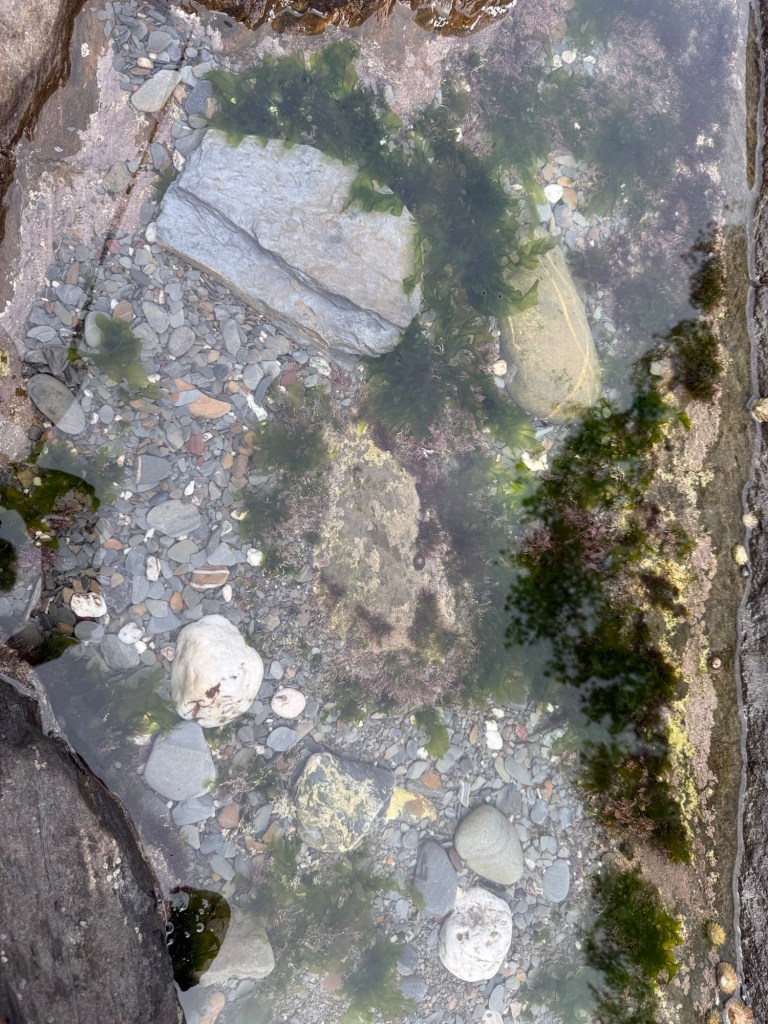
For a few warm September days beside the sea, we simply stopped. A little walking, some rock pooling but in the main, nothing.
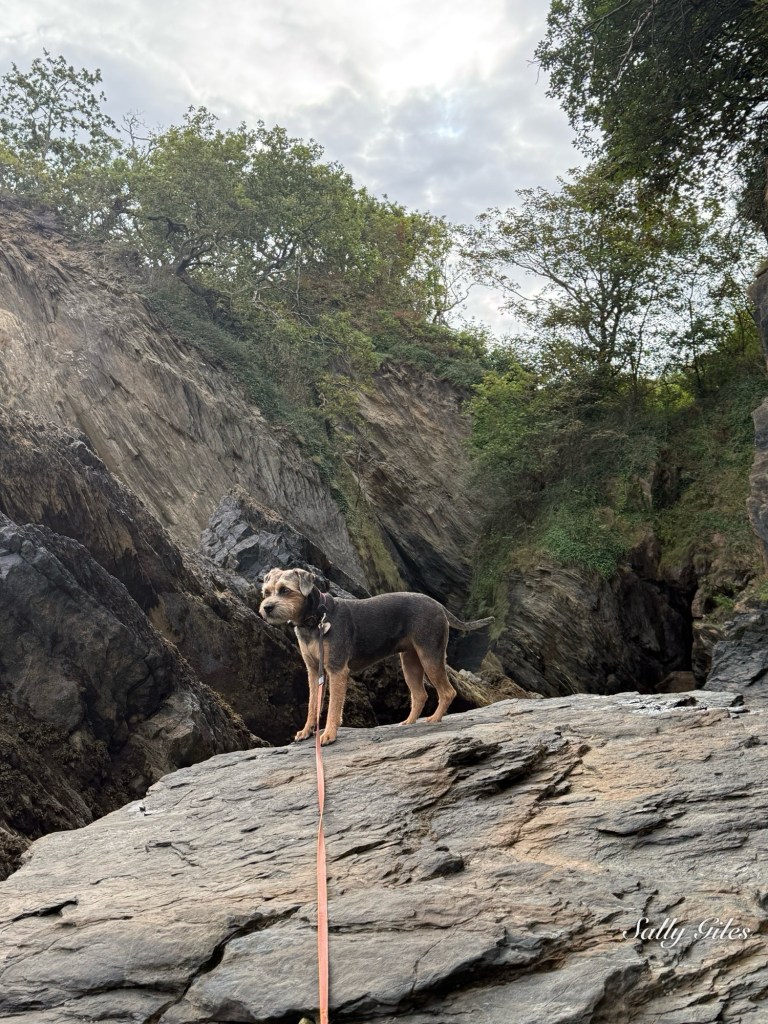
On Saturday morning, rested, well fed and still in possession of one completely non-fossilised mussel-shaped rock, we packed up once again.
Devon disappeared behind us as the van turned north-east for the final instalment of our South West adventure.
Next stop: Lechlade and the Cotswolds.





Leave a comment