It has been an age since we were last away in the van. Abersoch was our last adventure together, and so on Saturday morning we packed up and headed south for one final summer trip — this time to explore a little of the South West.
Naturally, our first stop was for food.
To anyone unfamiliar with the peculiarities of British motorway travel, voluntarily stopping at a service station to buy pâté and cheese may sound slightly odd. But we have two rather special exceptions to the usual motorway offering: Tebay and Gloucester Services. Both belong to the same family business, which began at Tebay in Cumbria in 1972, and Gloucester follows the same wonderful formula of farm shop, local produce and proper food.
It would have been rude to drive past.
Suitably stocked with pâté, cheese, salad and cider, we continued towards the first stop of our trip: the Isle of Avalon campsite on the outskirts of Glastonbury.
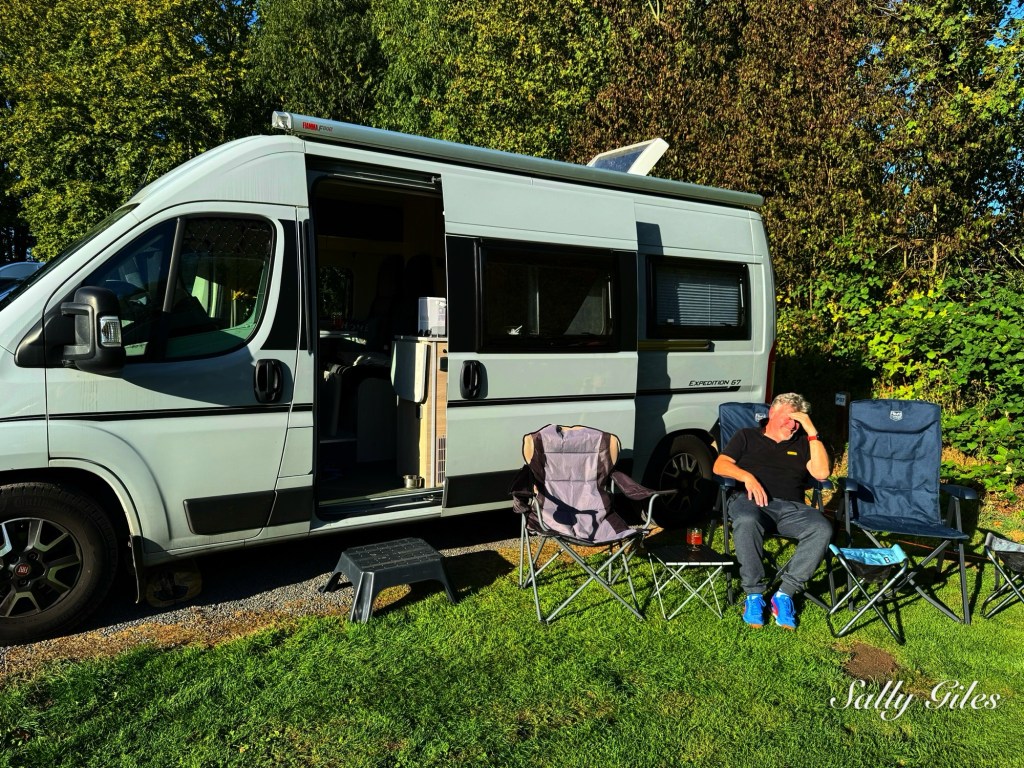
Most people today probably hear Glastonbury and immediately think of the festival, but the town’s history — or perhaps more accurately, the point where history becomes tangled with legend — goes back much further.
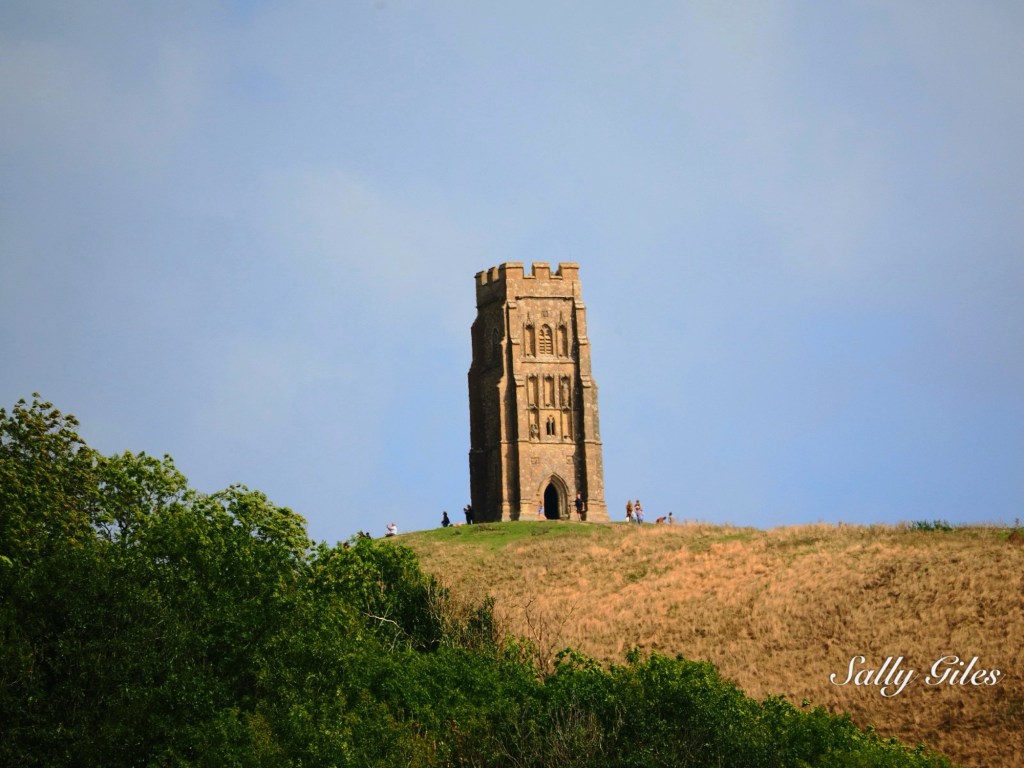
Glastonbury has been associated with Christianity for well over a thousand years, while medieval stories pushed its origins back even further. According to legend, Joseph of Arimathea travelled here after the Crucifixion, bringing with him the Holy Grail and establishing an early Christian community. Other traditions identify Glastonbury with the mysterious Isle of Avalon, the place to which the wounded King Arthur was carried after his final battle. In 1191, the monks of Glastonbury Abbey even announced that they had discovered the graves of Arthur and Guinevere.
History? Legend? Medieval marketing?
Probably a little of everything.
We were rather more humble visitors to Avalon. Neither saints nor knights, we were principally seeking good walks, good food and cider.
We made an excellent start.
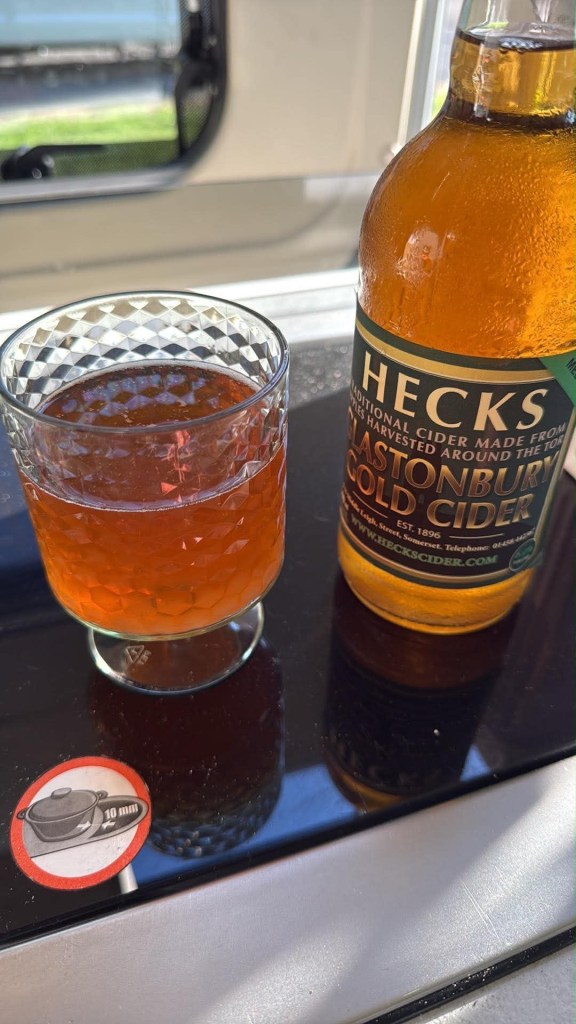
On Saturday evening we visited Knights Fish Restaurant, where fish and chips have been served on the same premises since the 1890s. Hake and chips were carried triumphantly back to the van and devoured with a couple of glasses of local cider.
Heavenly.
On Sunday morning we rose early to tackle Glastonbury Tor before both the temperature and the crowds began to climb.
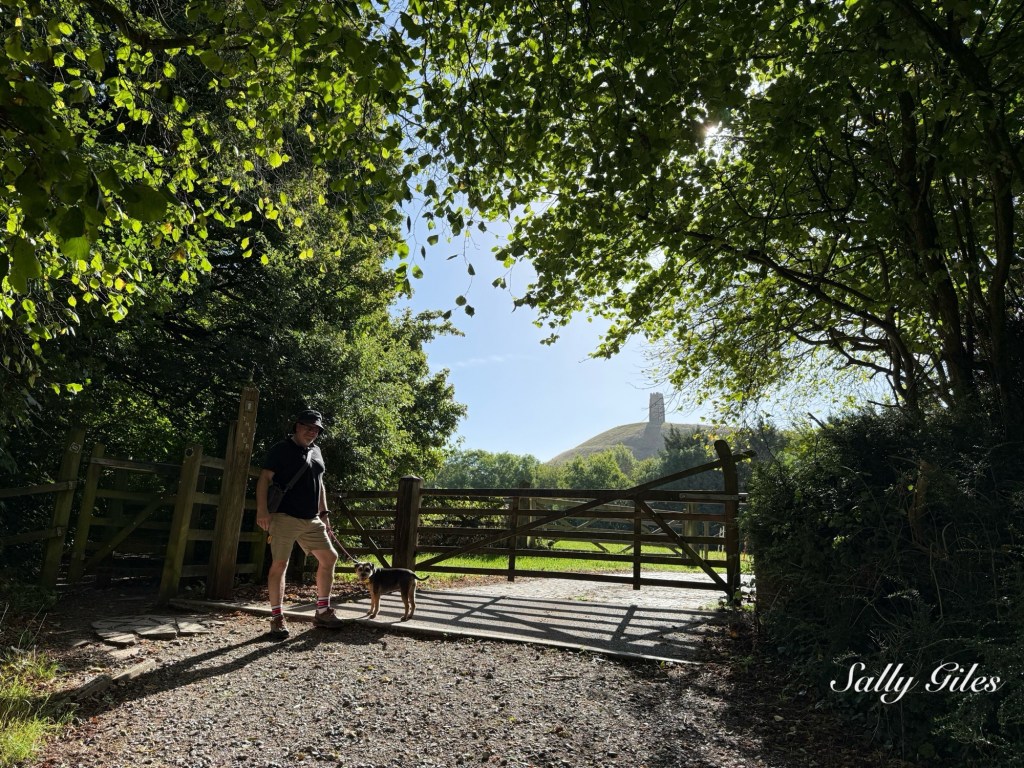
The walk from town was a delightful meander before the considerably less gentle final ascent. Rising dramatically above the otherwise flat Somerset Levels, the Tor has attracted stories and spiritual significance for centuries. Archaeology shows occupation here in the early medieval period, while the lonely tower at its summit is all that remains of the medieval church of St Michael.
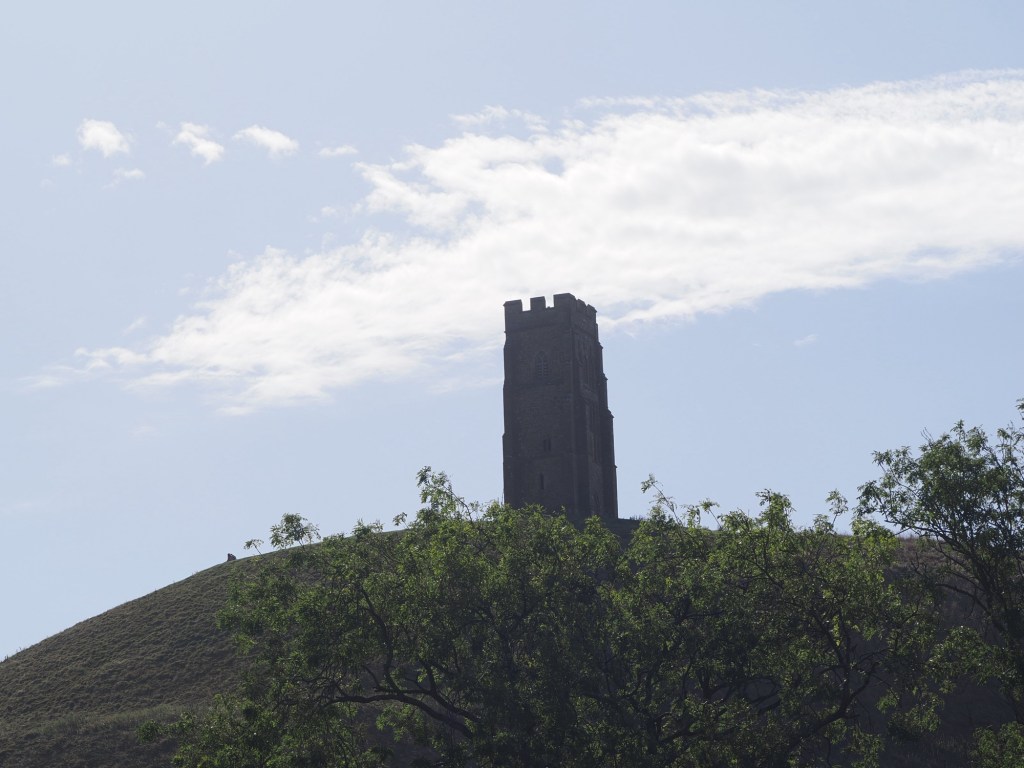
Naturally, the legends are rather more colourful. Arthur appears here too, alongside tales of the Celtic otherworld, fairies, hidden caves and the Holy Grail.
Whatever you choose to believe, the climb is worth it for the view alone.
From the top, the Somerset Levels spread away beneath us in every direction, a vast, flat landscape that makes the Tor feel even higher than it is.
We descended on the other side and wandered back through Glastonbury, peering into shop windows filled with incense, crystals, dreamcatchers and all manner of other curiosities before returning to the van for a very well-earned lunch.
Then football beckoned for one of us.
This left me with a couple of hours entirely to myself, so I wandered back into town to explore Glastonbury Abbey.
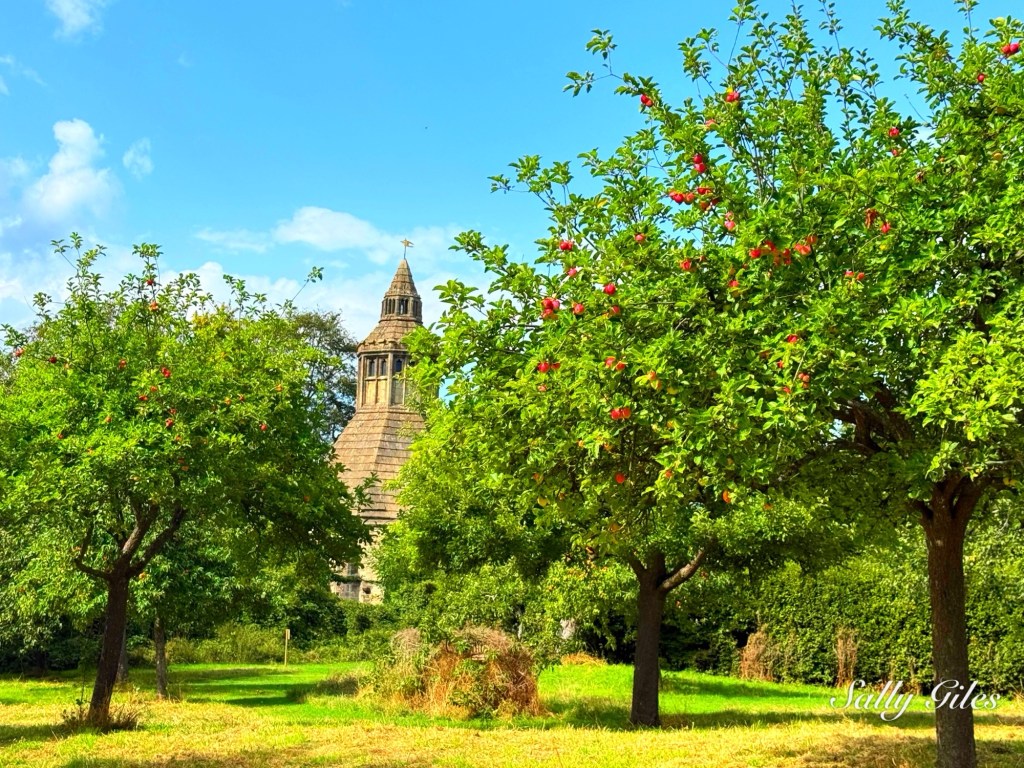
The abbey is a fascinating mixture of genuine history and centuries of accumulated legend. There is firm evidence for a monastery here by the late seventh century, and it eventually became one of the richest and most powerful abbeys in England. A devastating fire destroyed much of it in 1184, after which it was rebuilt on a grand scale. Then came Henry VIII and the Dissolution. In 1539 its last abbot, Richard Whiting, was executed on Glastonbury Tor and the great monastery was dismantled.
Today, its ruins stand within beautiful grounds.
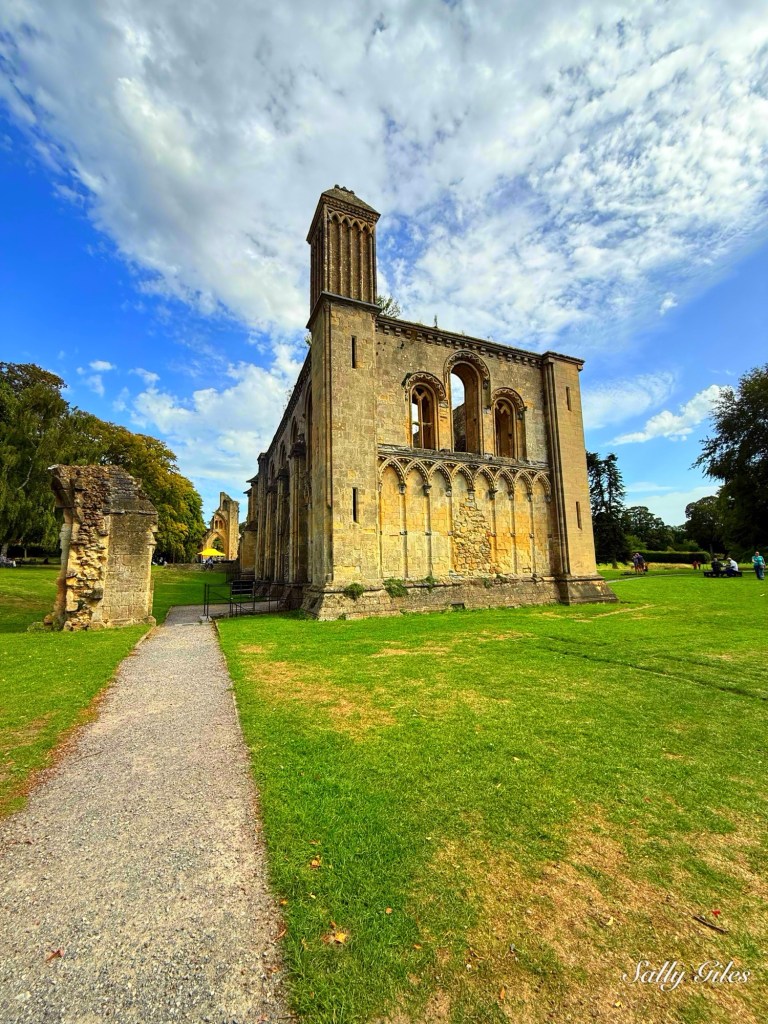
My visit happened to coincide with a pilgrimage, and the site was filled with pilgrims while a Catholic service was broadcast through loudspeakers around the grounds. It isn’t particularly my thing, but I have to admit that hearing hymns drifting between the ruined walls added something rather special to the atmosphere.
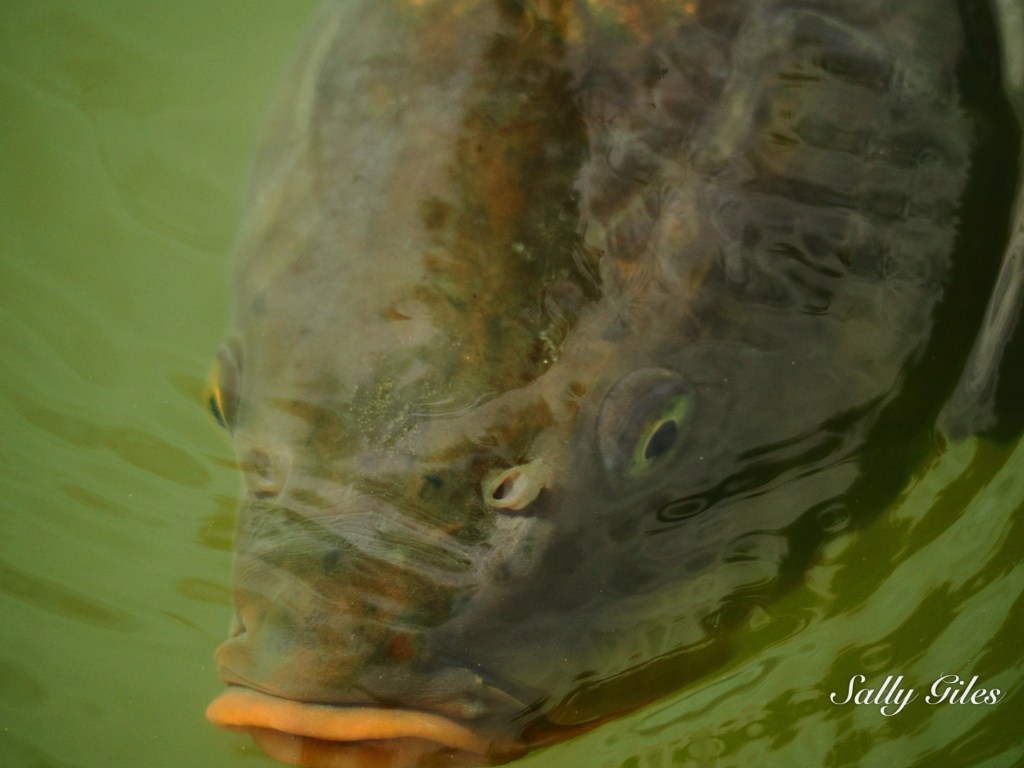
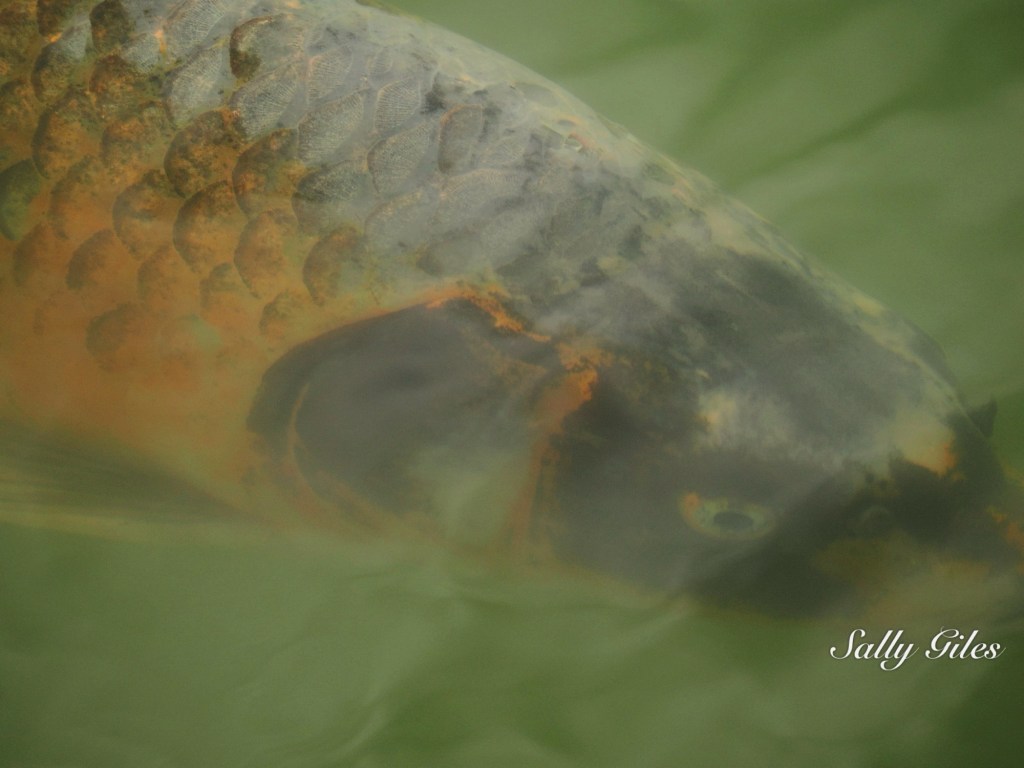
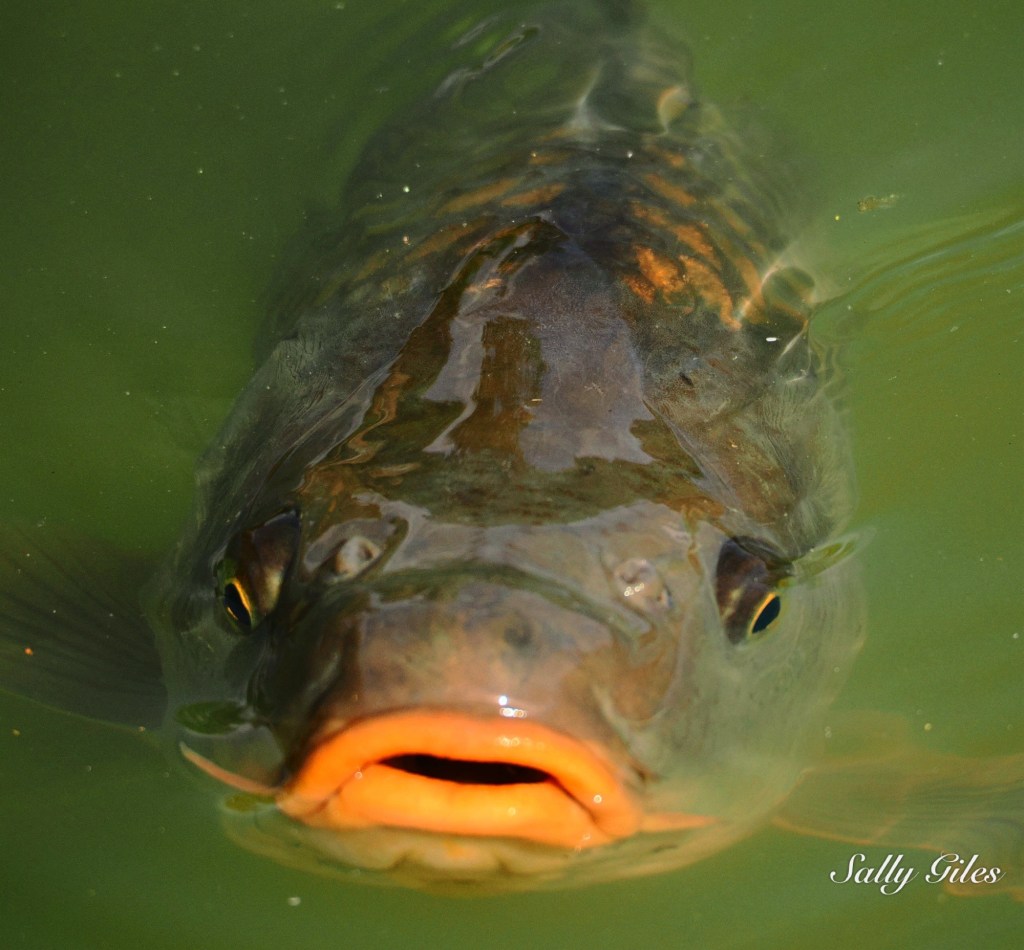
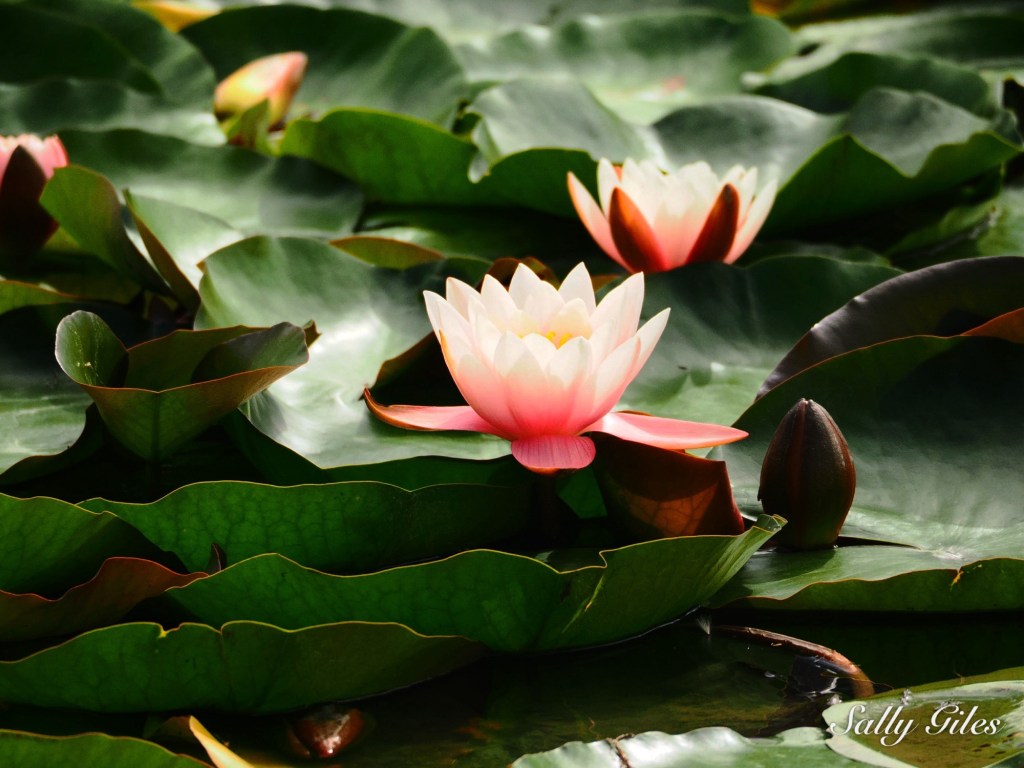
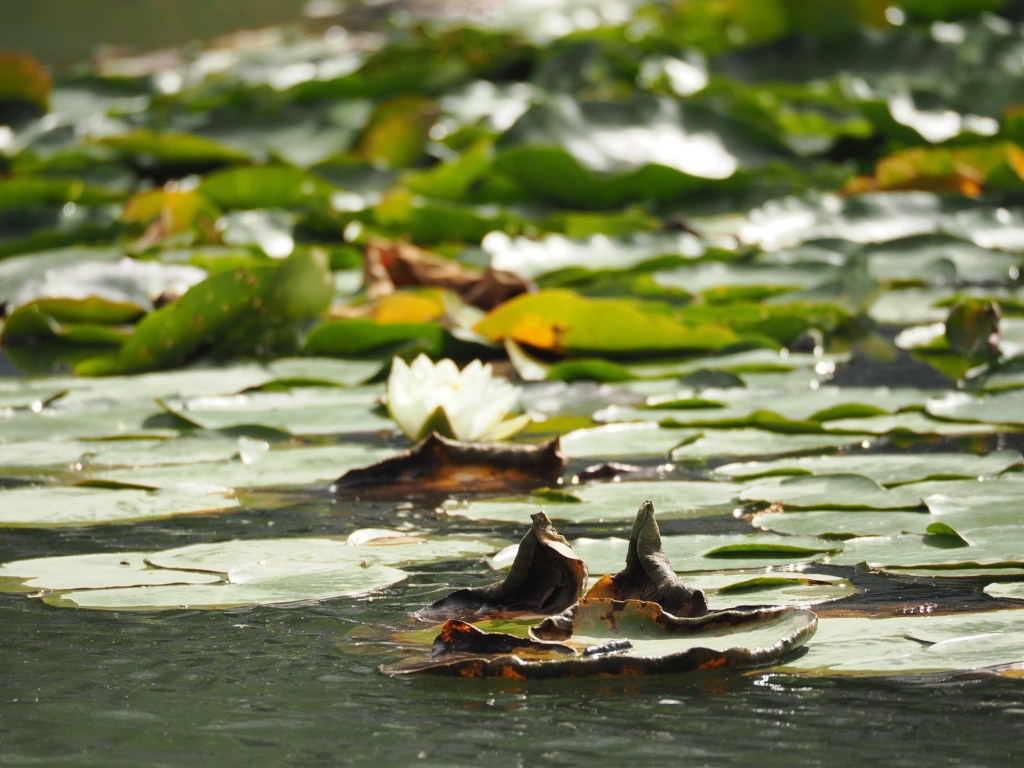
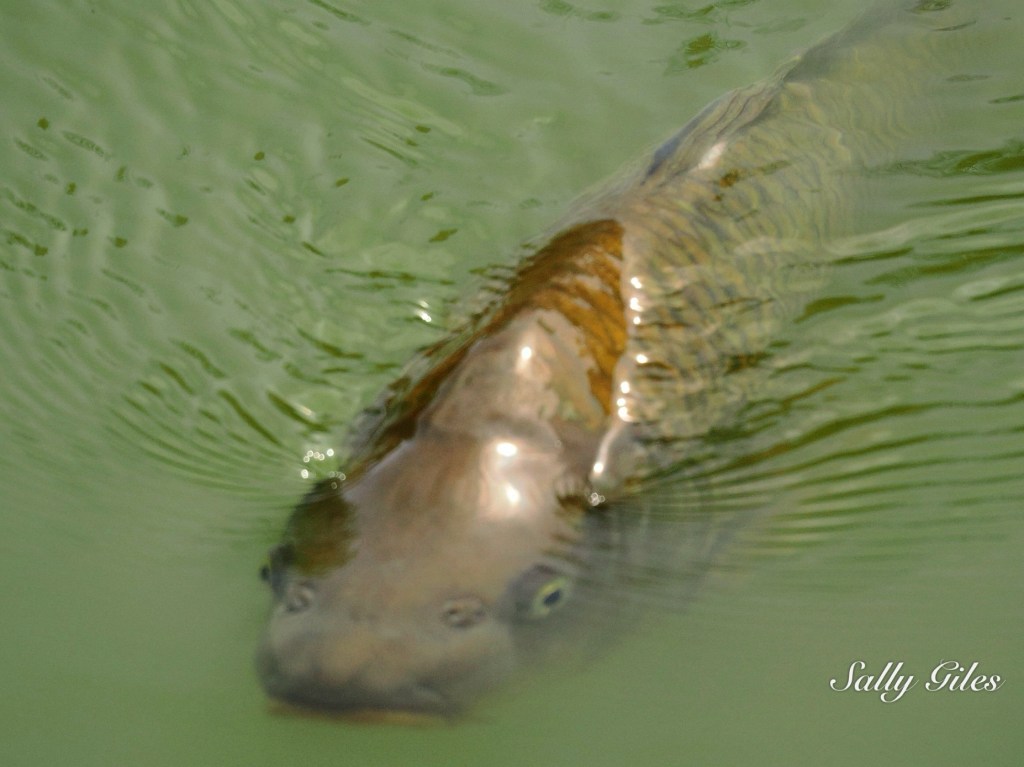
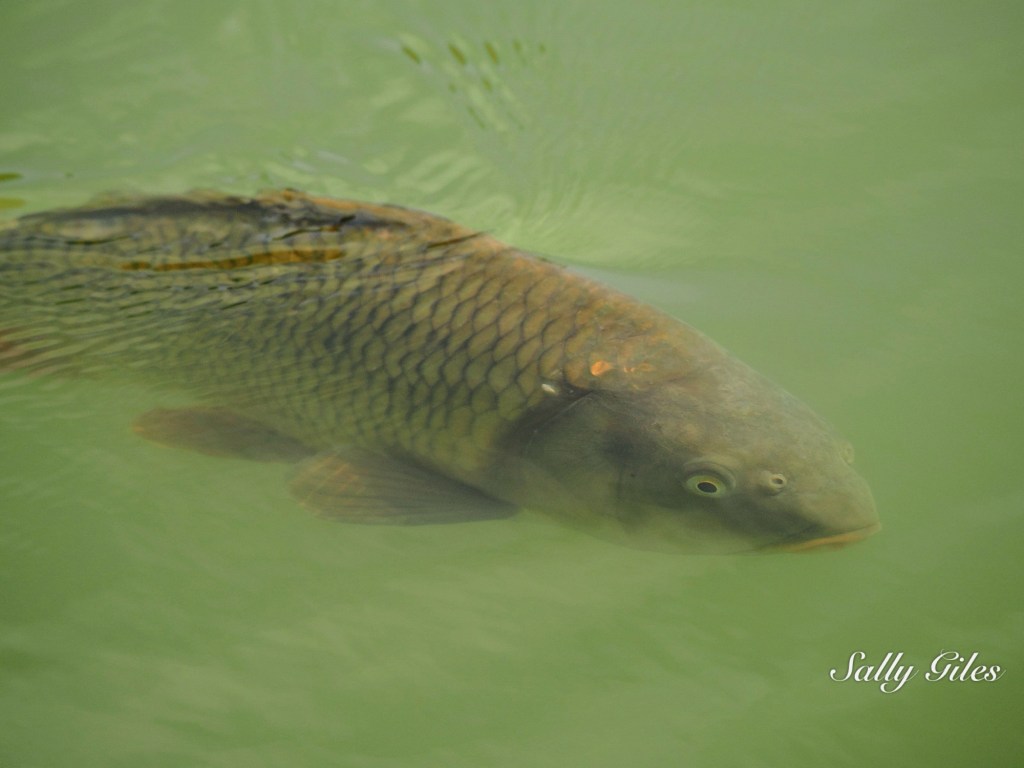
At the fish pond I became thoroughly distracted by the resident carp, who followed me hopefully along the bank, frequently breaking the surface and clearly convinced that visitors exist primarily to provide snacks.
They were disappointed.

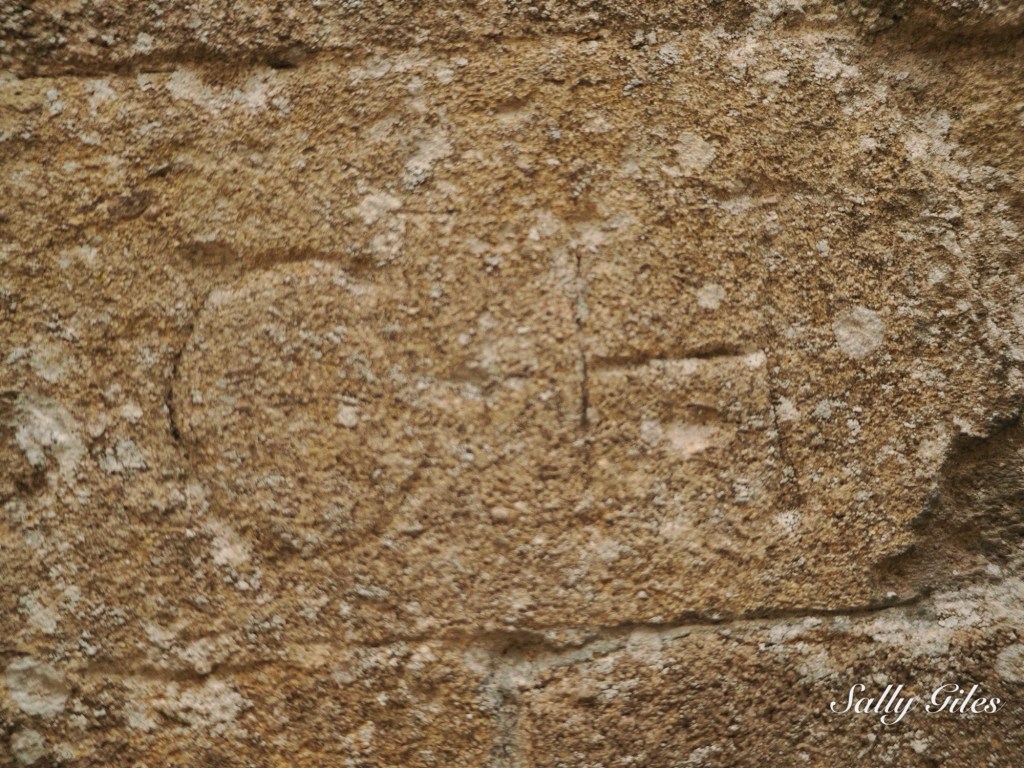
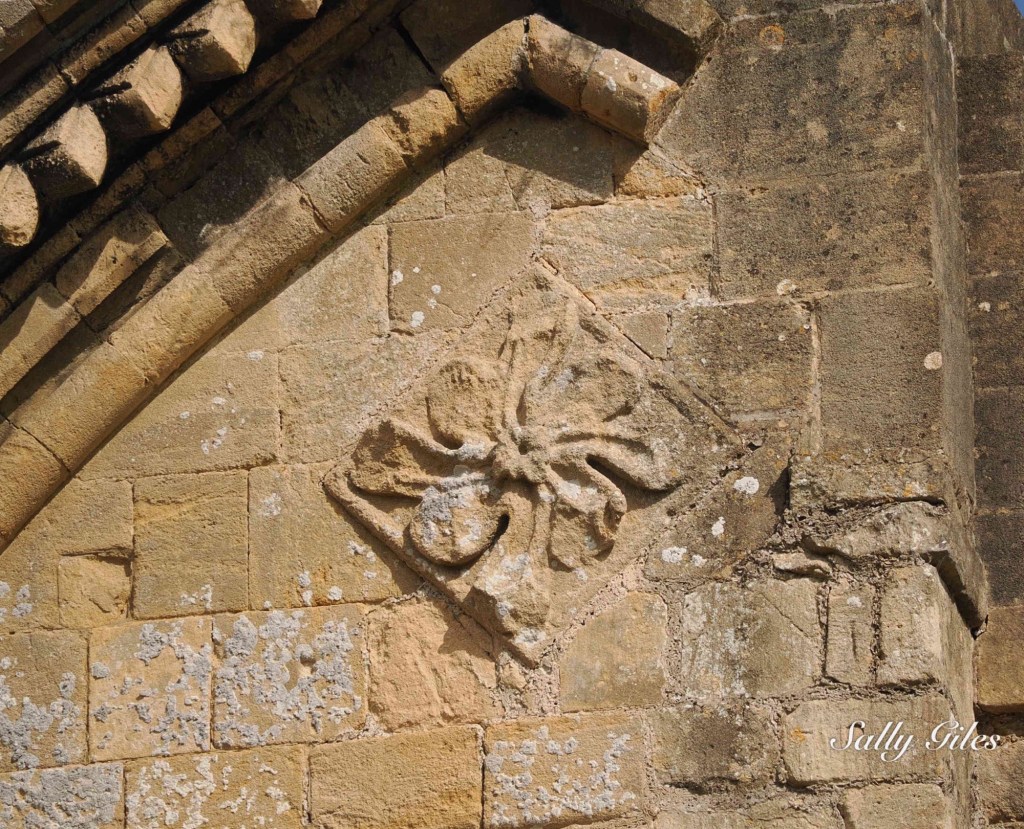
Amongst the ruins I indulged in one of my favourite historical pastimes: hunting for old graffiti and masons’ marks amongst the stones. I found several, tiny traces left behind by people who worked or wandered here long before me.
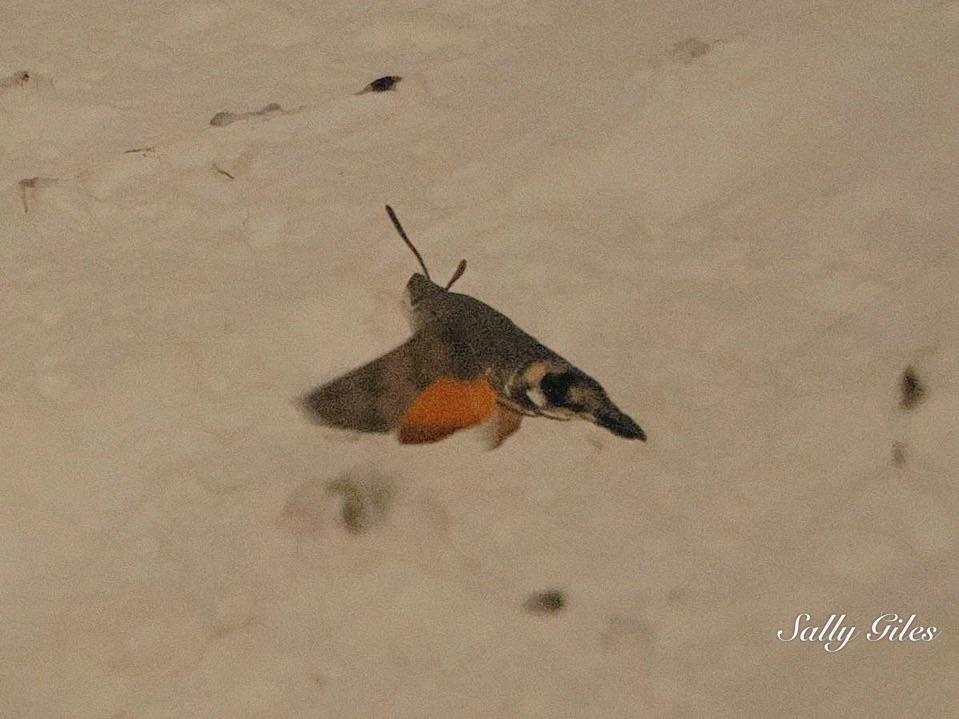
And in the Lady Chapel, history gave way briefly to wildlife when I spotted a hummingbird hawk-moth flitting amongst the ruins.
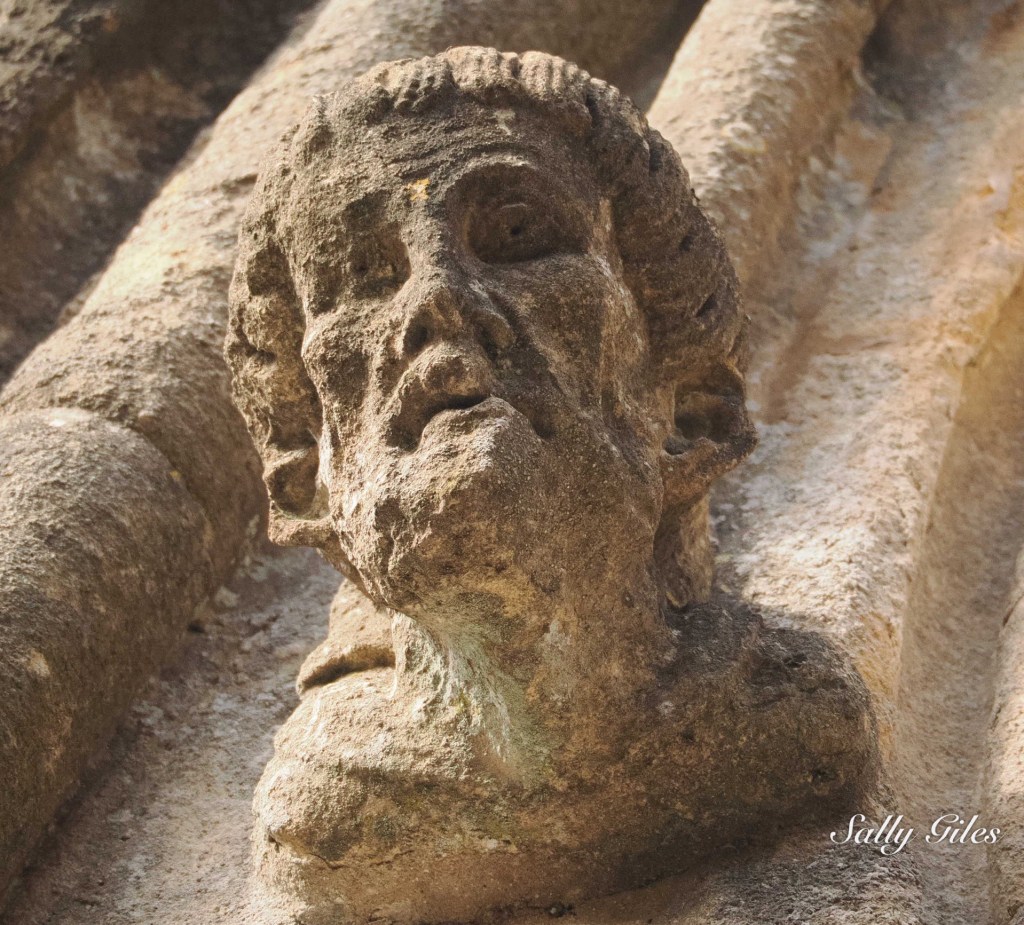
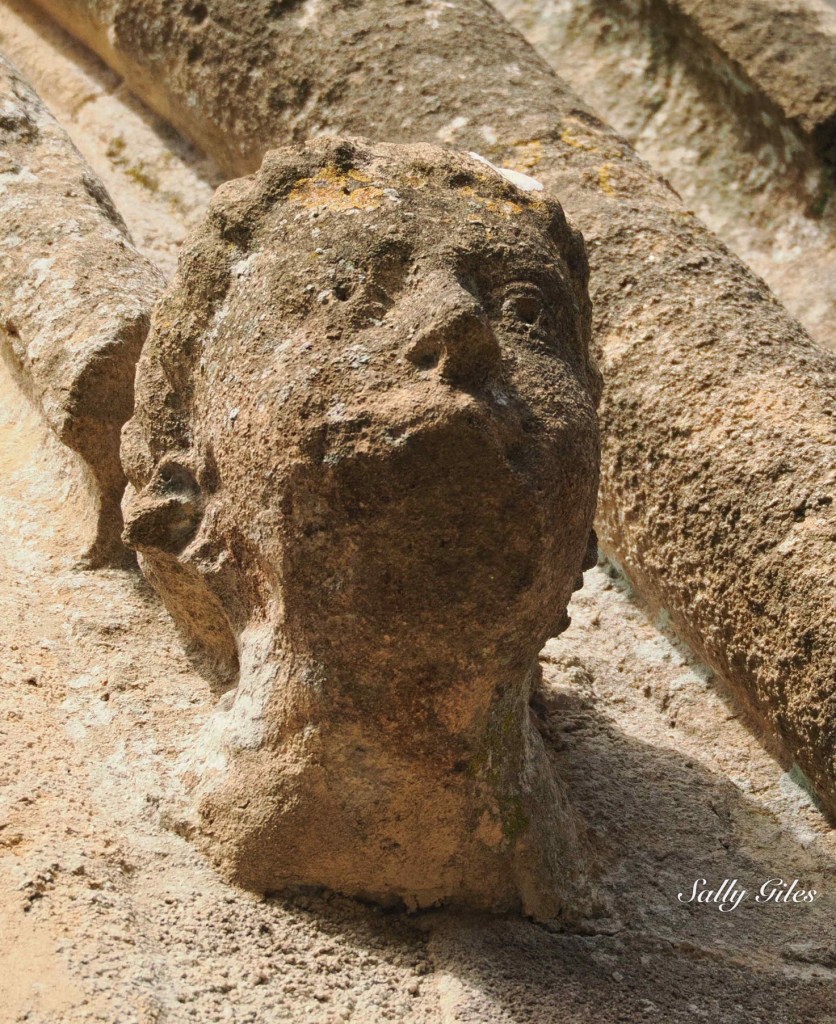
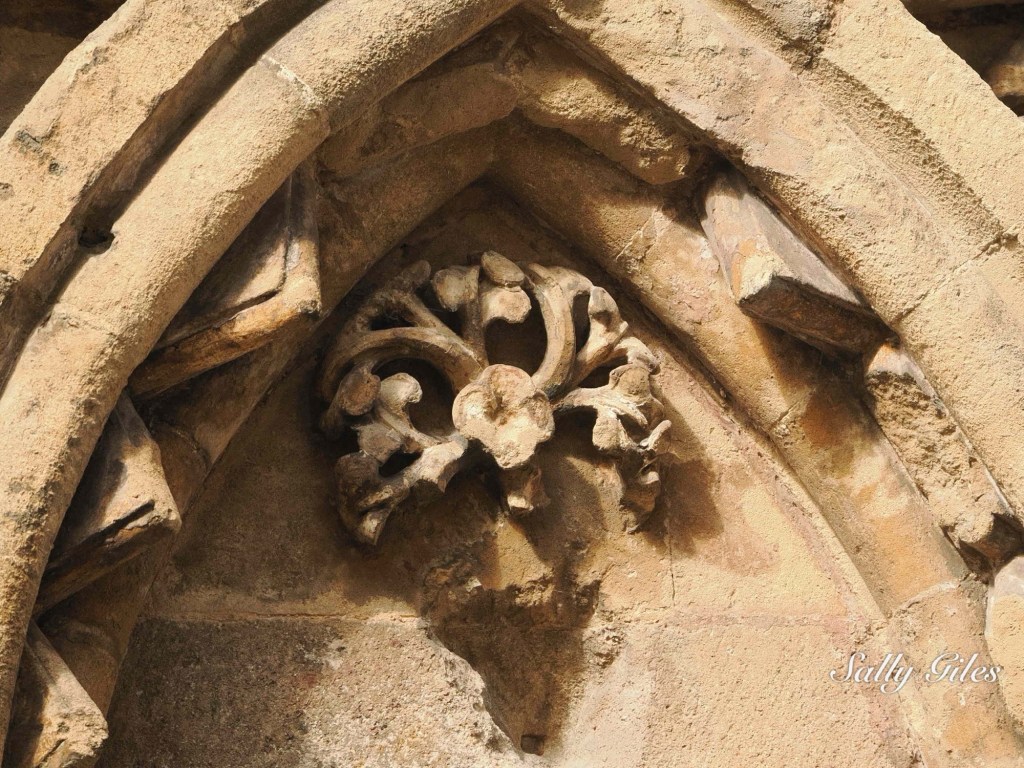
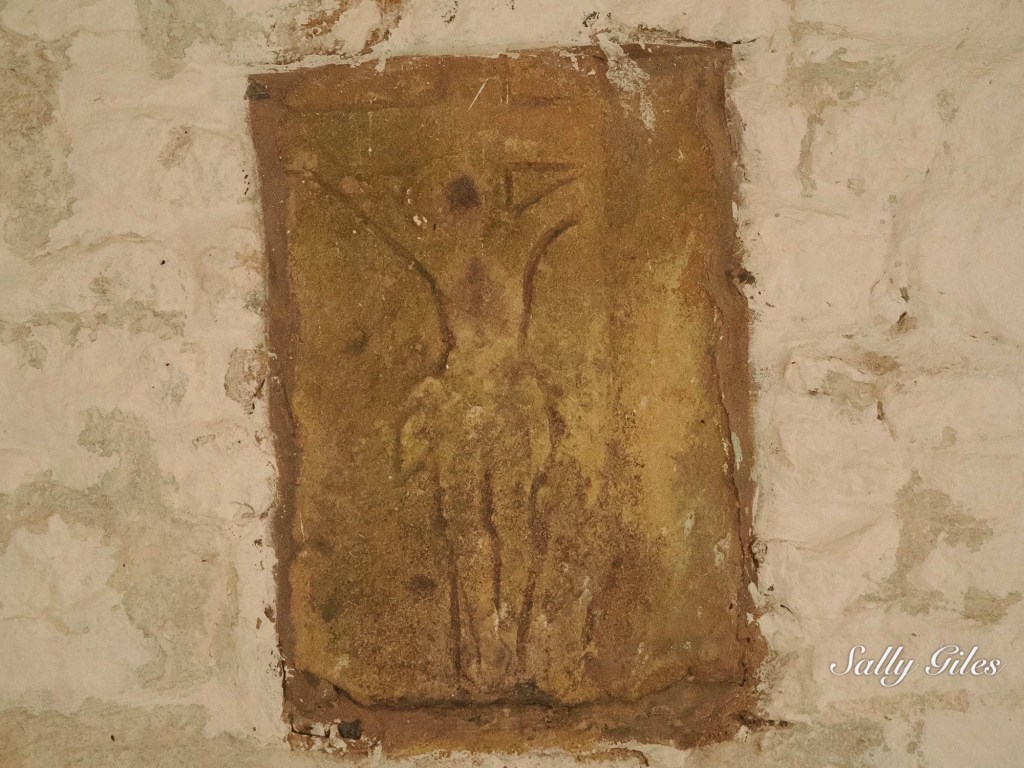
Of course, no pilgrimage is entirely complete without cake.
On my way back I stopped at Burns the Bread and discovered something called a Torsy Moorsy Cake. Named for Glastonbury Tor and the surrounding Somerset moors, its story was far too good for me to resist. According to the bakery, the original recipe was discovered tucked into a niche beside a fireplace during renovations more than thirty-five years ago.
The recipe has since been updated into a very Somerset sort of fruit cake: dried fruits steeped in local cider, locally sourced Cheddar, black treacle and pecan nuts, topped with a crunchy brown-sugar crust.
Ancient recipe found hidden beside a fireplace? Local cider? Cheese? Cake?
Obviously, I bought one.
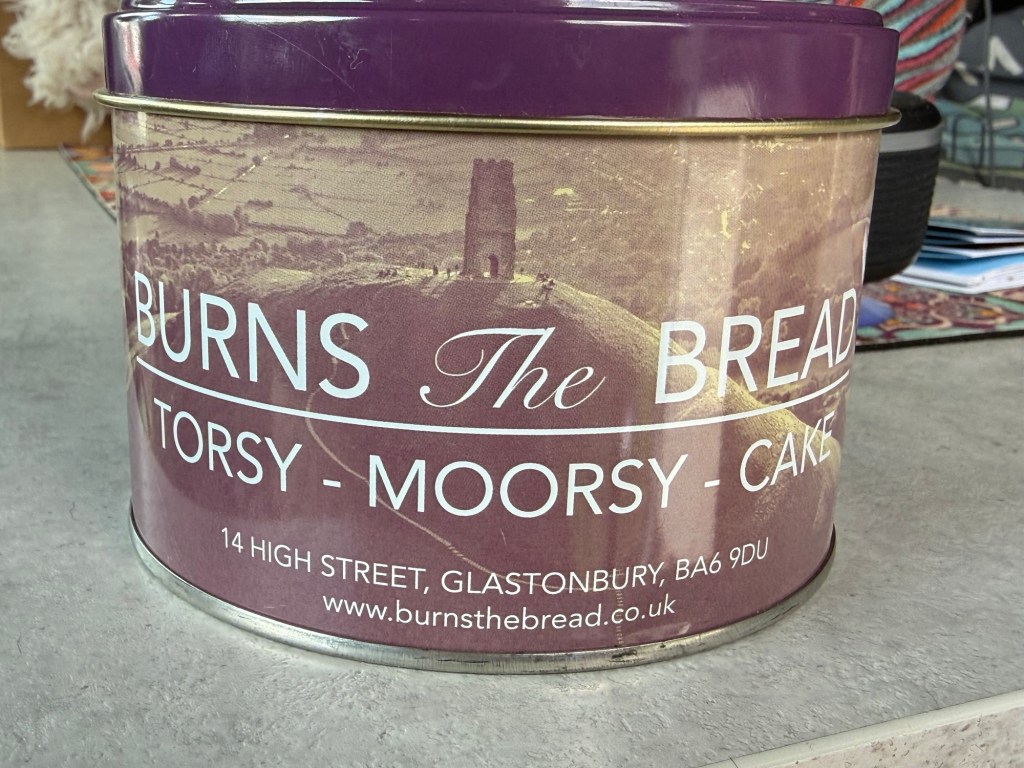
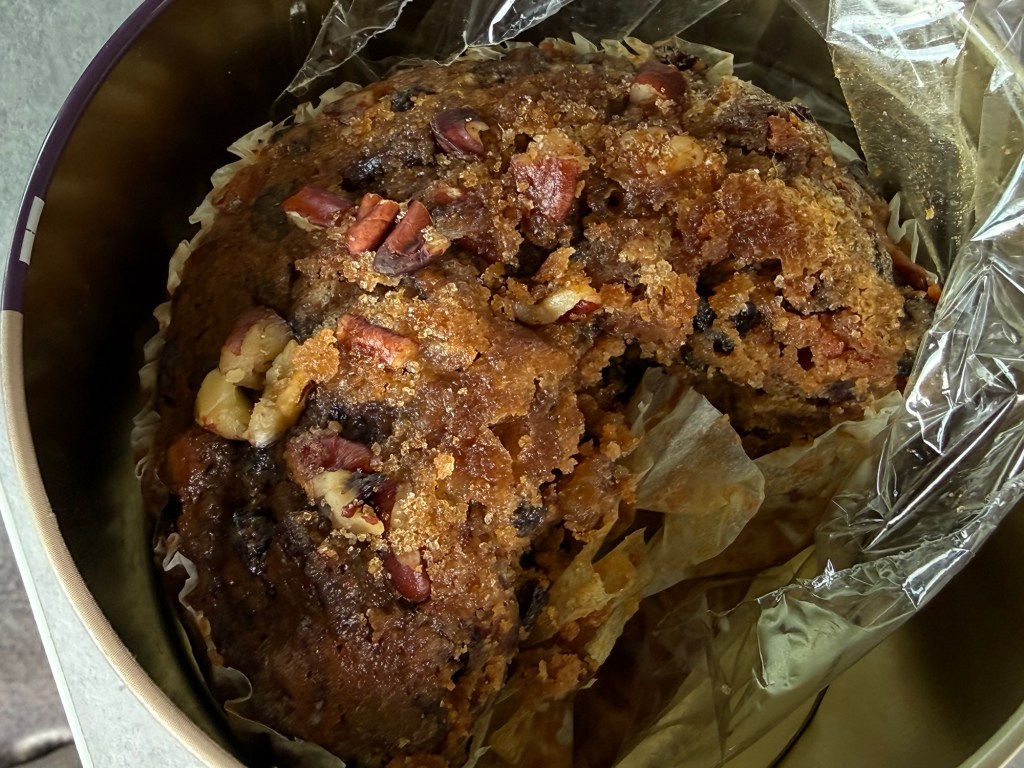
Tin tucked under my arm, I wandered back to the campsite feeling that I’d done Glastonbury rather well: ancient ruins, Arthurian legends, masons’ marks, a hummingbird hawk-moth — and mysterious cake.
I returned to find a rather desolate football fan waiting at the van.
Fortunately, I had brought provisions.
A quiet evening followed, because Monday’s entertainment required rather more energy.
The bicycles were coming out.
Cycling is one activity that doesn’t really lend itself to Pepper participation, so we took turns. Mark headed out first and, once he returned to take over dog duties, I loaded my camera gear and set off along the Bittern Trail towards RSPB Ham Wall.
What an afternoon.
The route leads away from Glastonbury towards the extraordinary wetland landscape of the Avalon Marshes. Reedbeds and open water stretch beneath enormous Somerset skies, with Glastonbury Tor rising behind you in the distance.
And the birds!
Ospreys appeared overhead. Great and little egrets stalked the wetlands. Gadwall moved across the water and marsh harriers quartered the reedbeds.
I was already delighted.
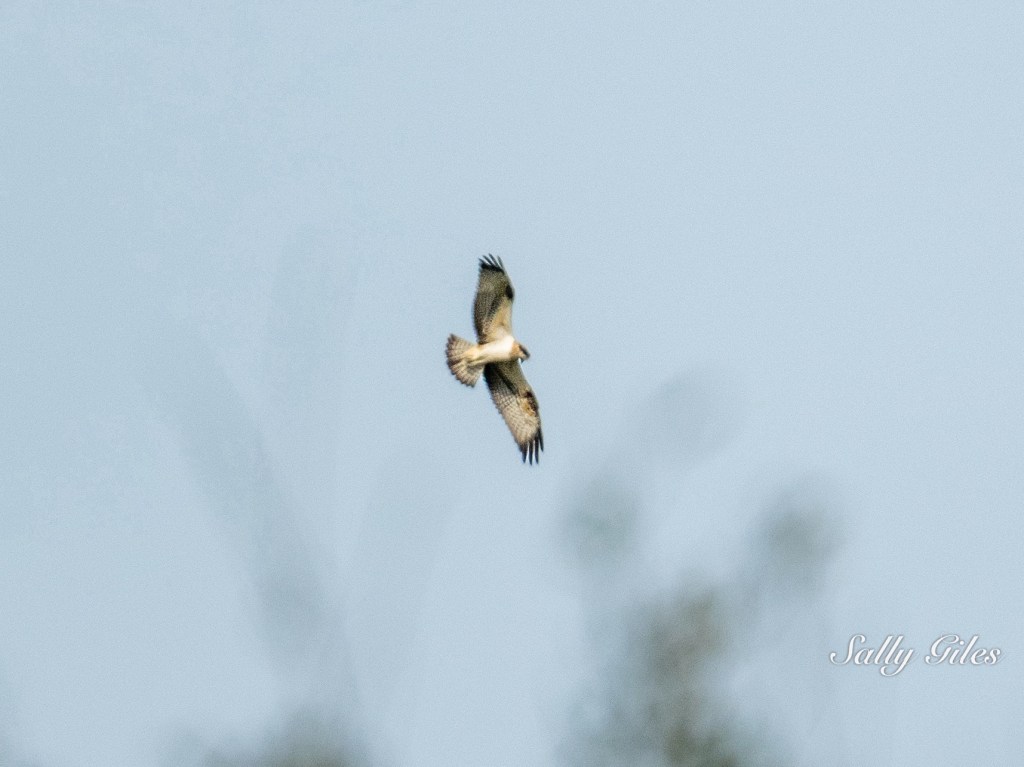
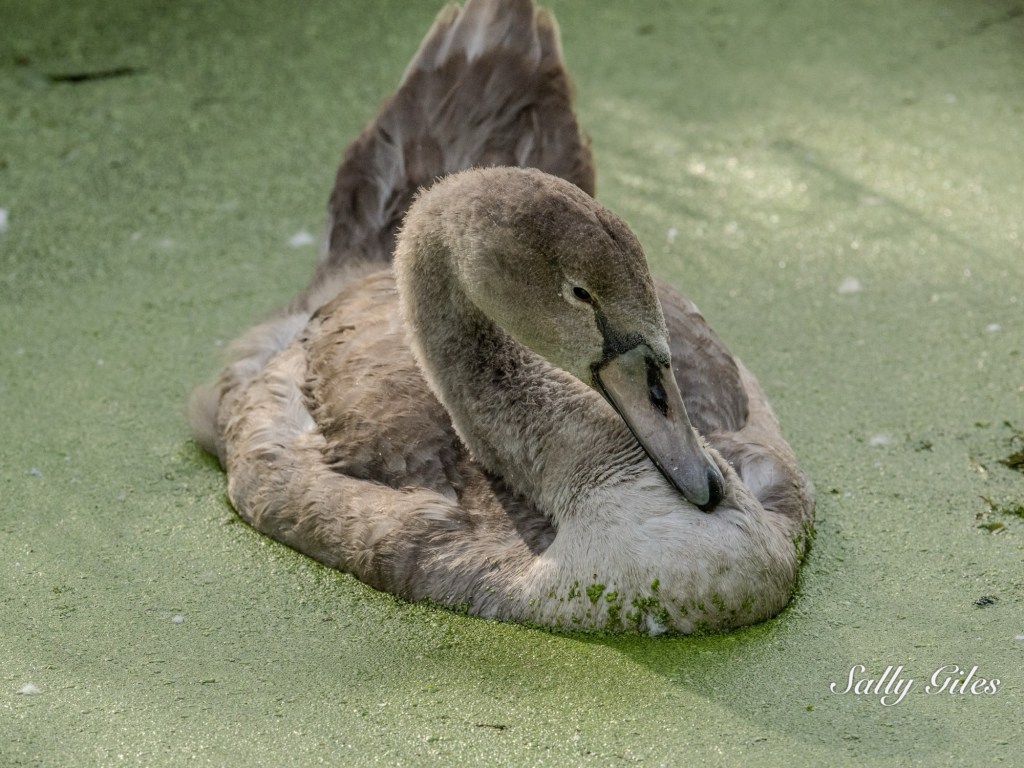
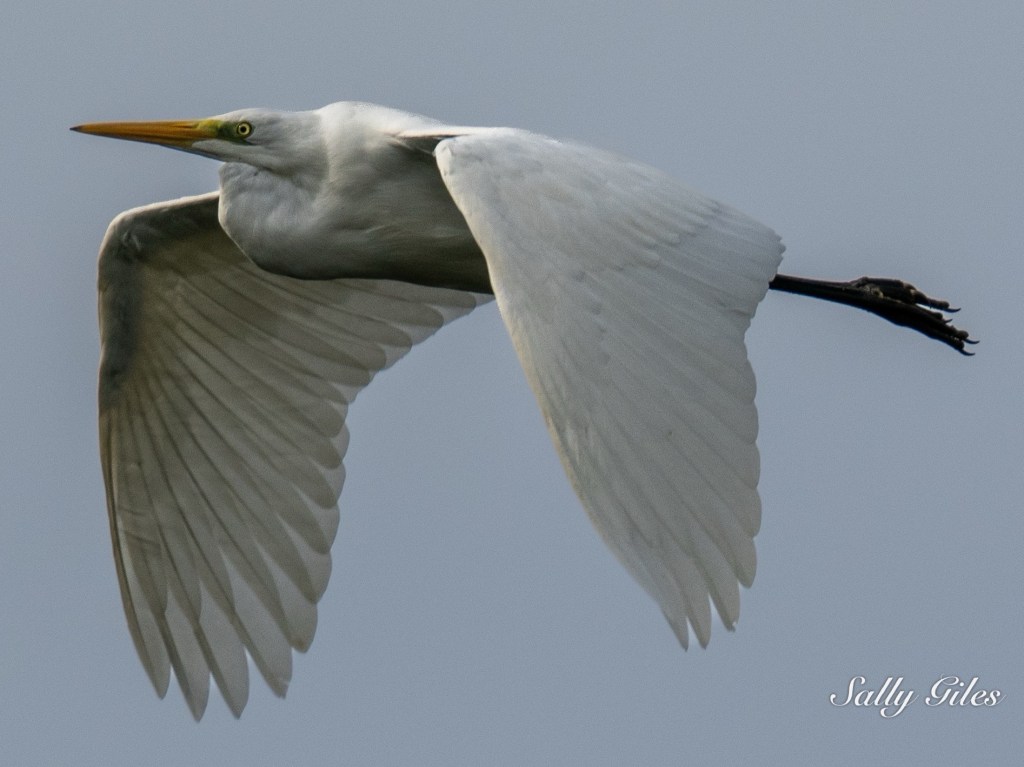
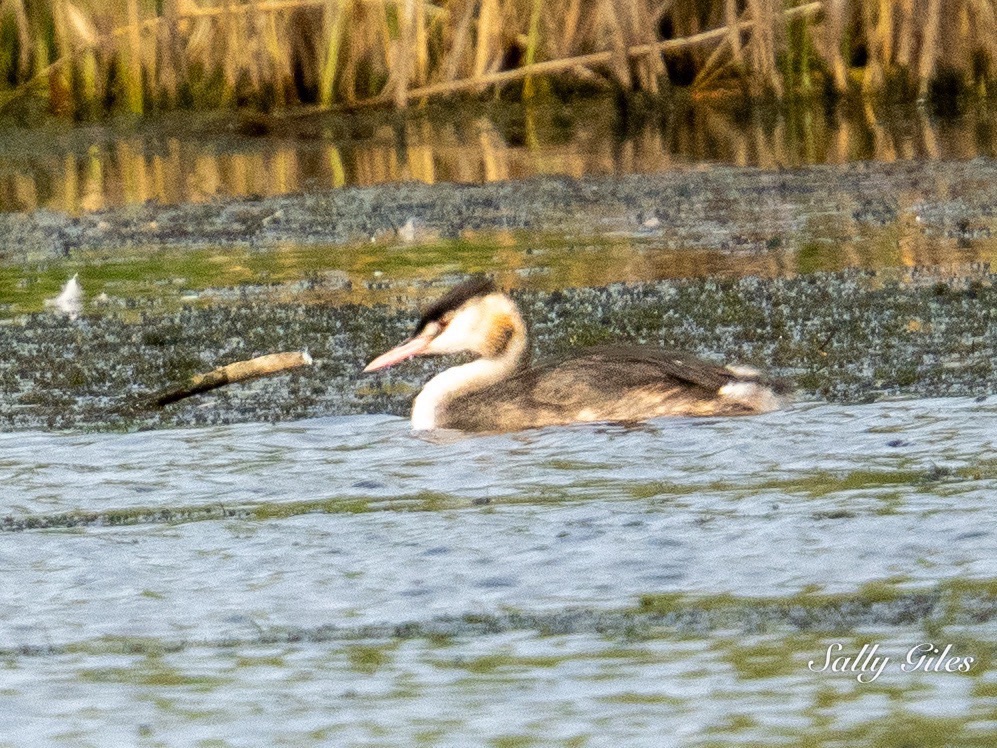
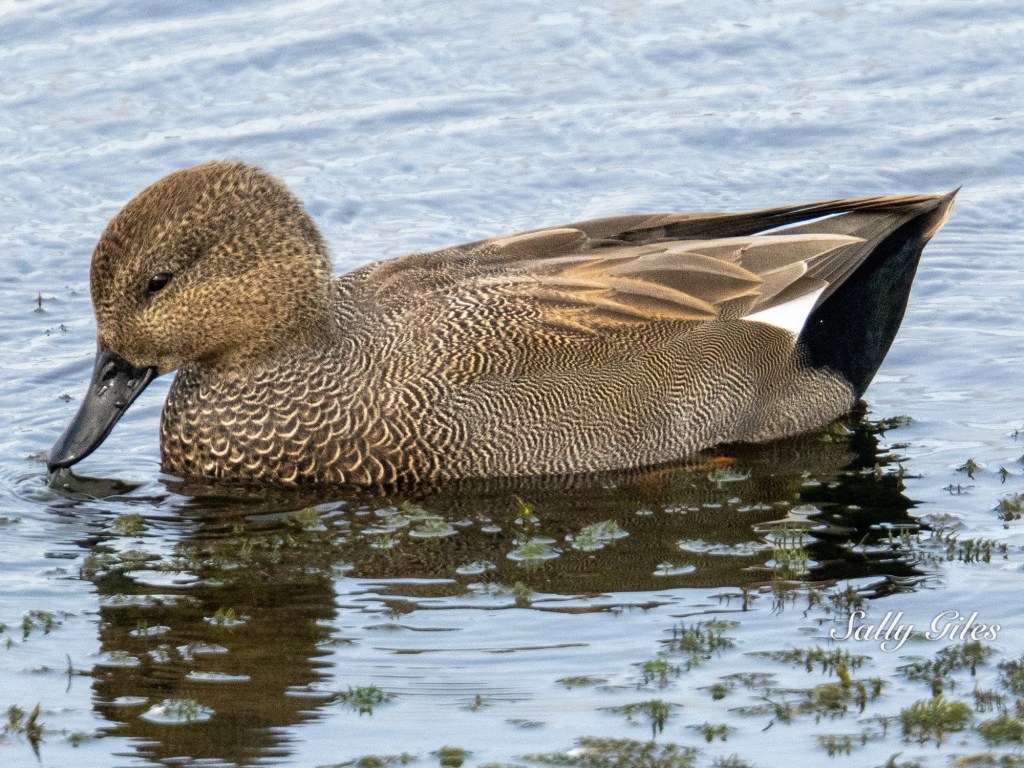
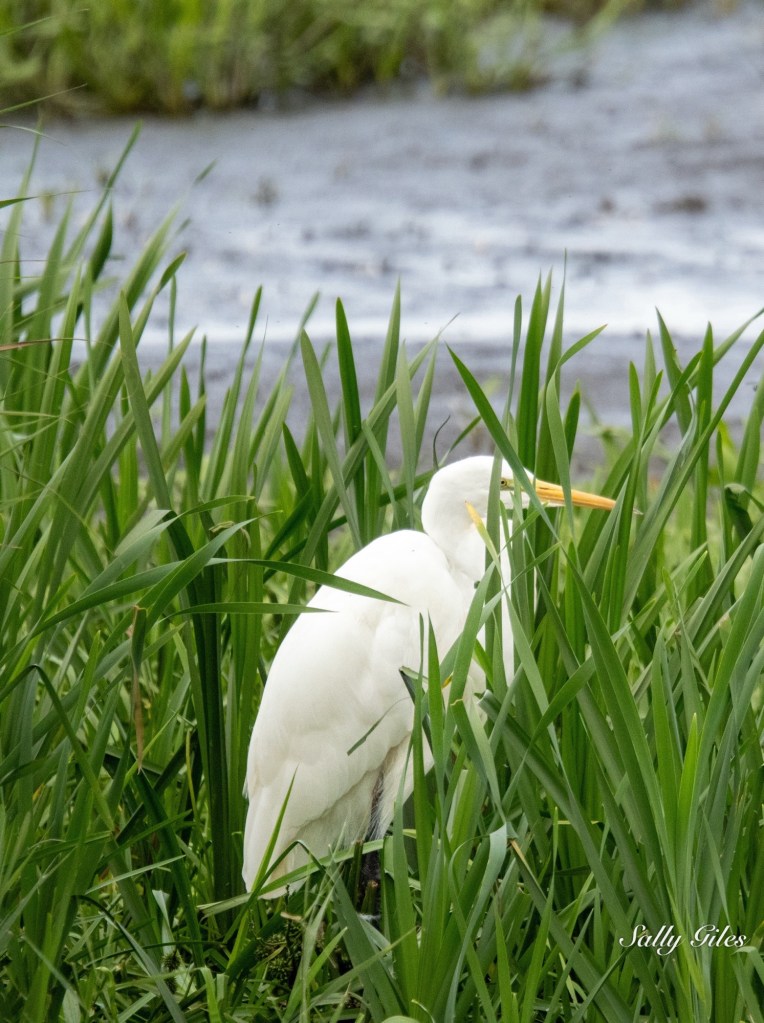
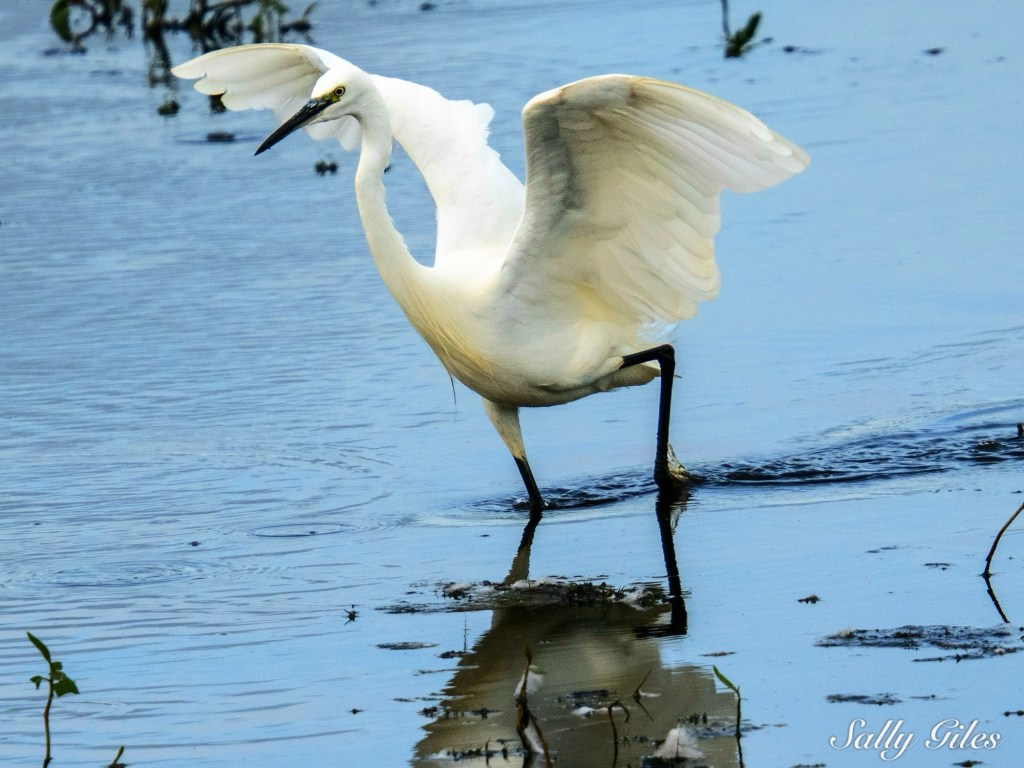
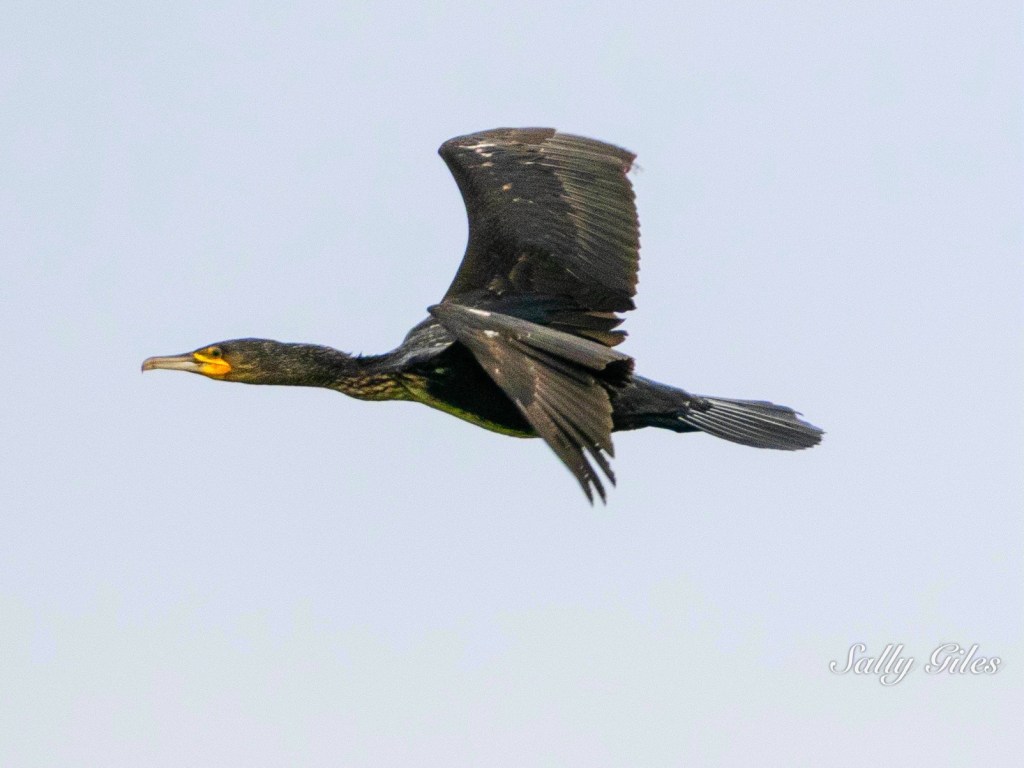

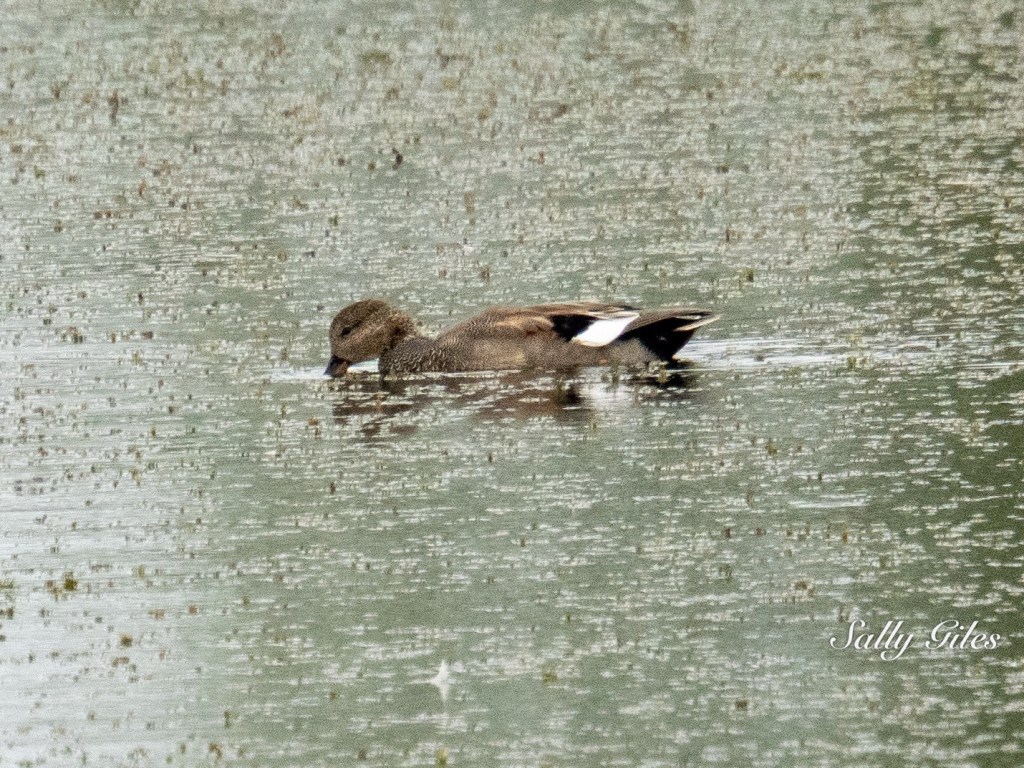
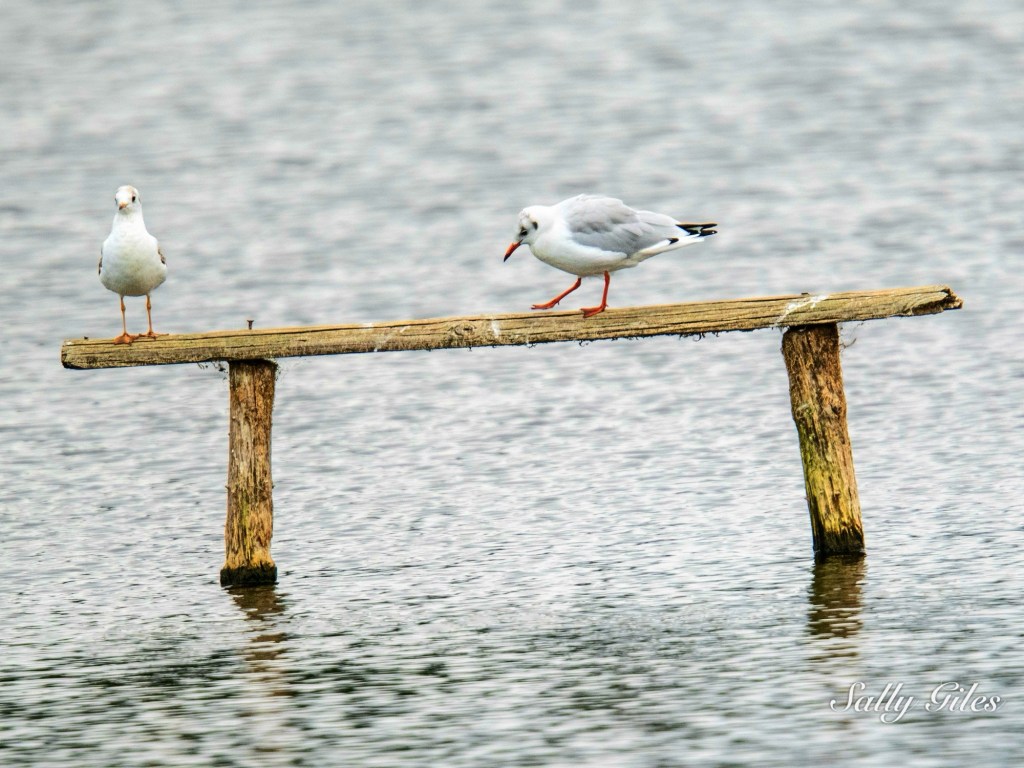
Then came the final surprise.
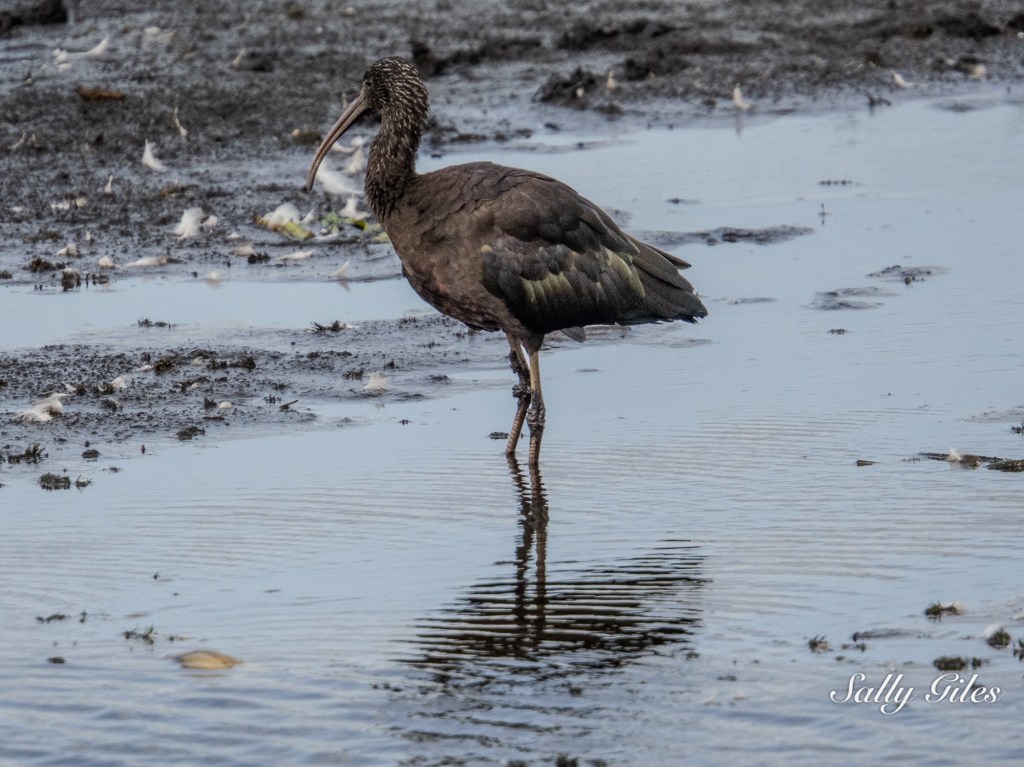
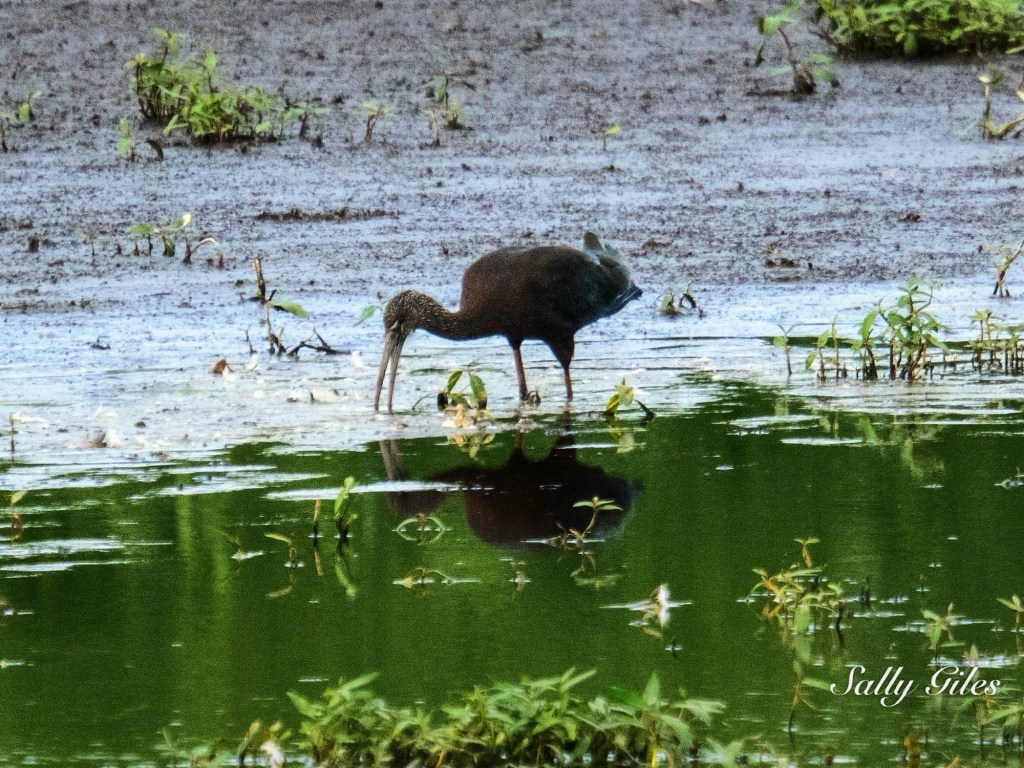
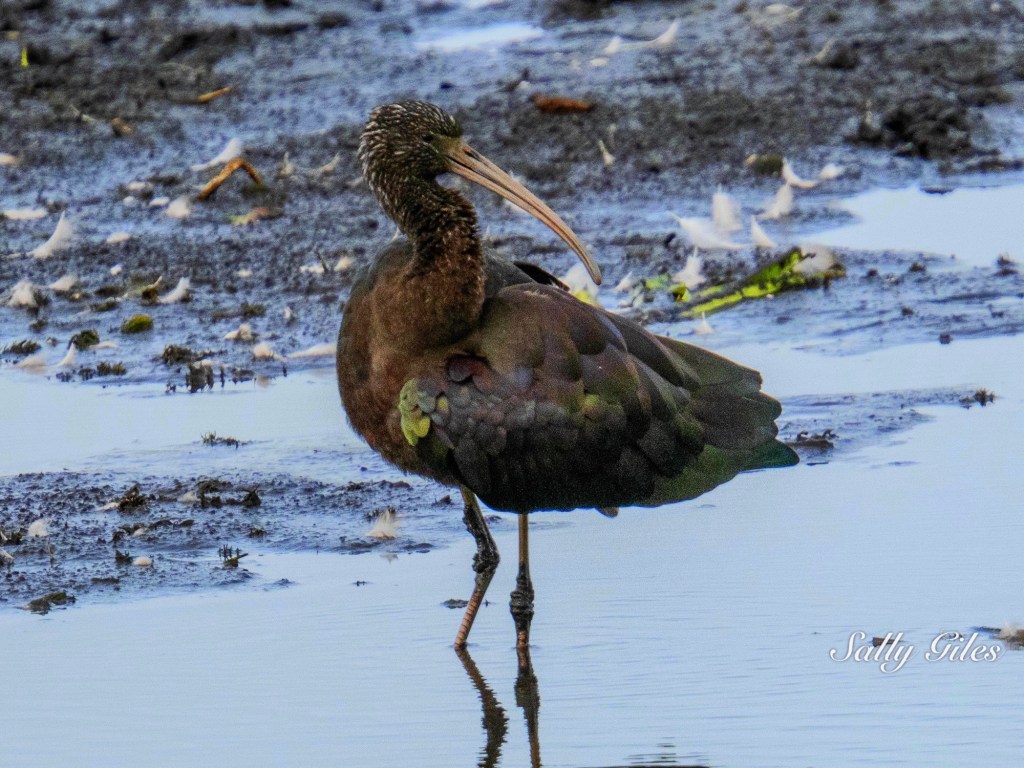
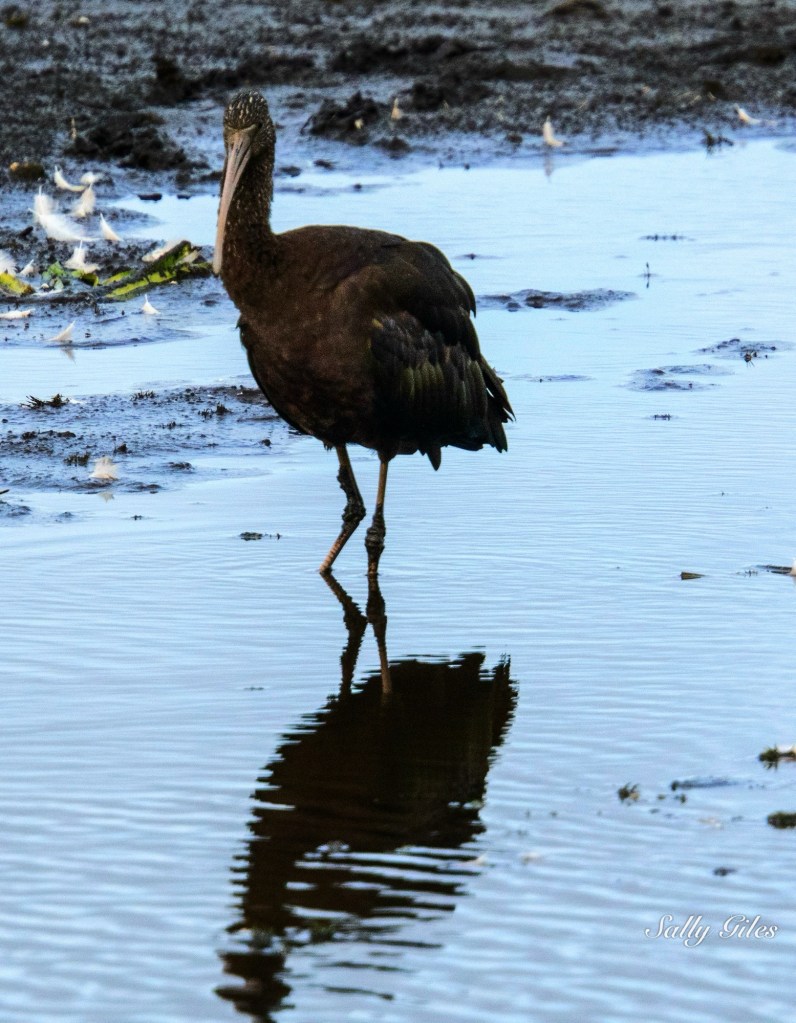
A glossy ibis.
Elegant, dark and wonderfully exotic-looking, it was the sort of bird that immediately makes you stop whatever you’re doing and simply stare.
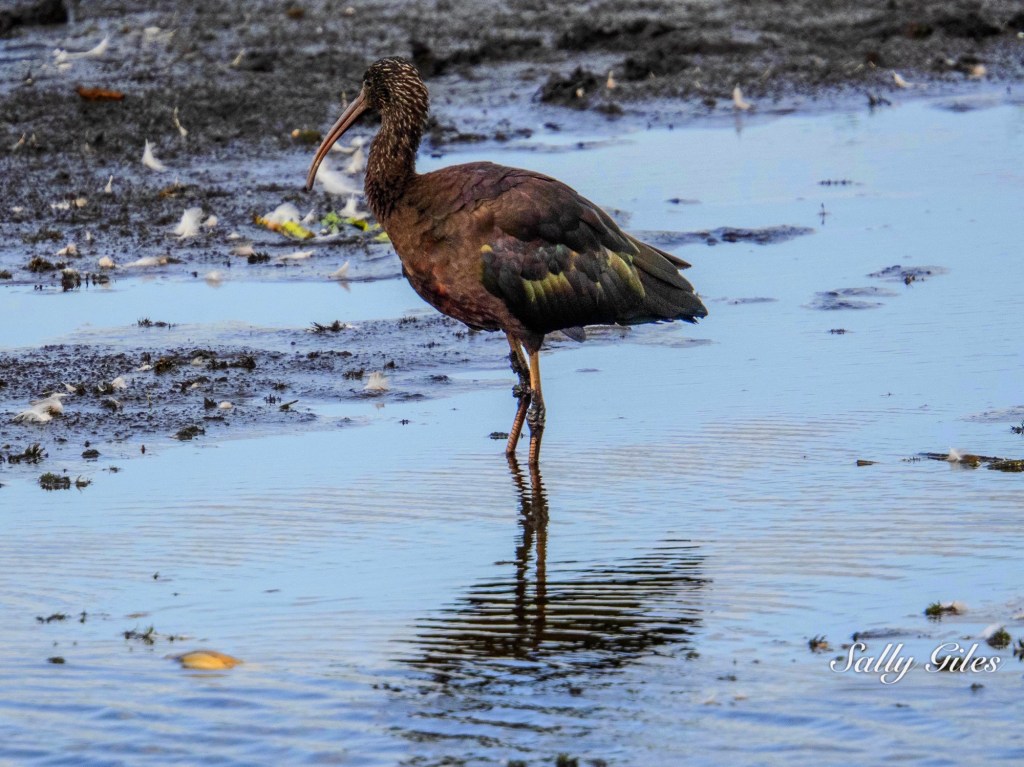
I cycled back to Glastonbury absolutely ecstatic — considerably less interested in the miles I’d covered than in repeatedly announcing what I’d seen.
It felt like the perfect ending to our few days there.
Glastonbury is an odd and rather wonderful place. Christianity, Arthurian legend, pagan symbolism, medieval ruins and modern mysticism all seem to exist happily alongside fish and chips, cider, cyclists and tourists buying crystals.
I’m not sure we discovered the Holy Grail.
But there was excellent hake, a hummingbird hawk-moth, an osprey and a glossy ibis, so I certainly wasn’t complaining.
On Tuesday morning we packed up the van, said goodbye to Glastonbury and pointed ourselves towards the next stop on our South West adventure.
Combe Martin.





 The Quiet Paths
Leave a comment