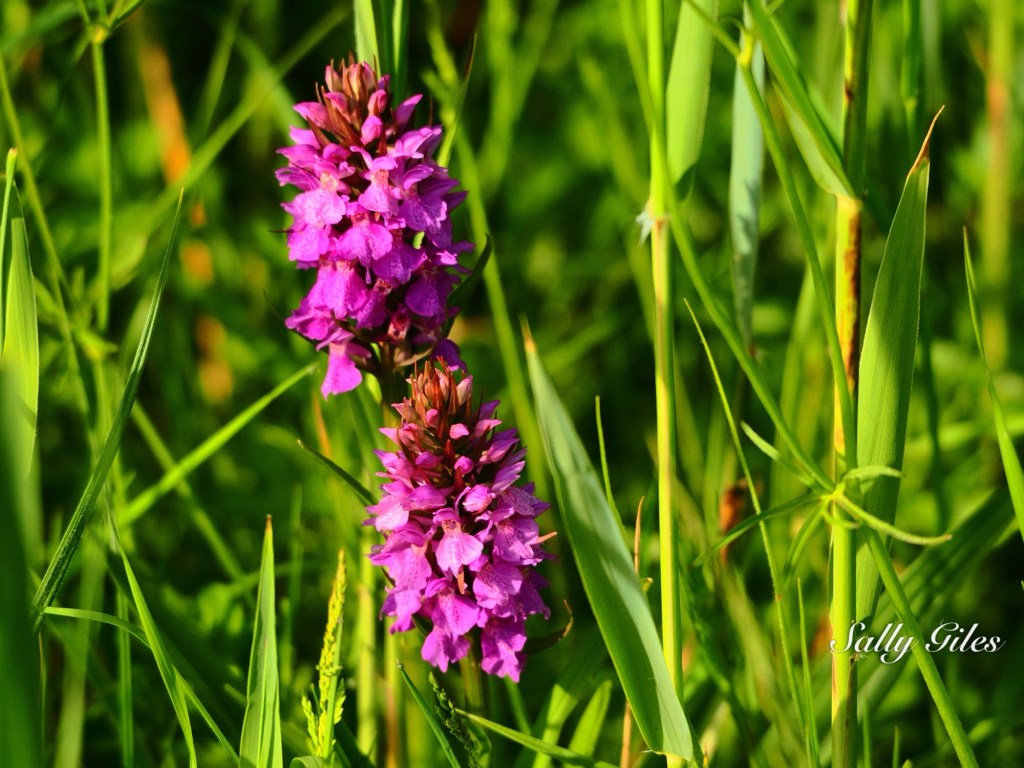
Newport, May 2026
I took a couple of days off last week to visit family in Newport and, on Friday morning, took the opportunity to head over to the RSPB wetlands for a few peaceful hours before the day grew too warm.
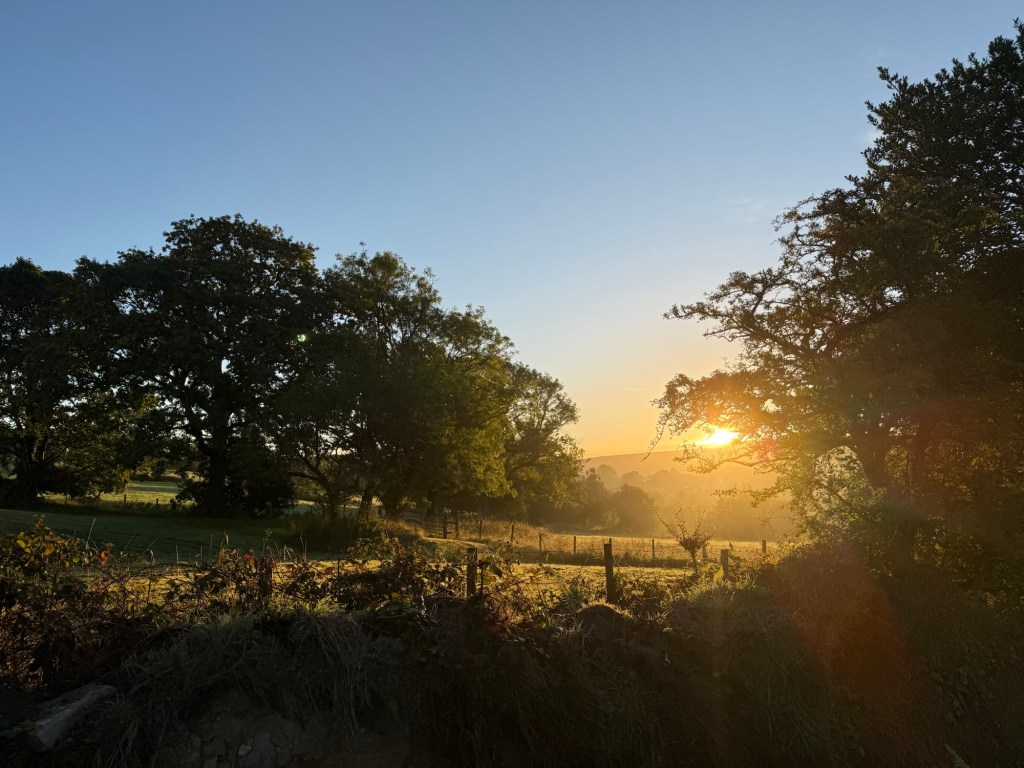
I arrived just after 7am, the early sunlight still soft across the water and the paths almost entirely empty. There’s something special about reserves at that hour — before the chatter of visitors and the heat of the day settle in — when the landscape feels quieter, more watchful somehow, and every sound seems to carry further across the reeds.
The wetlands were already alive with birdsong.
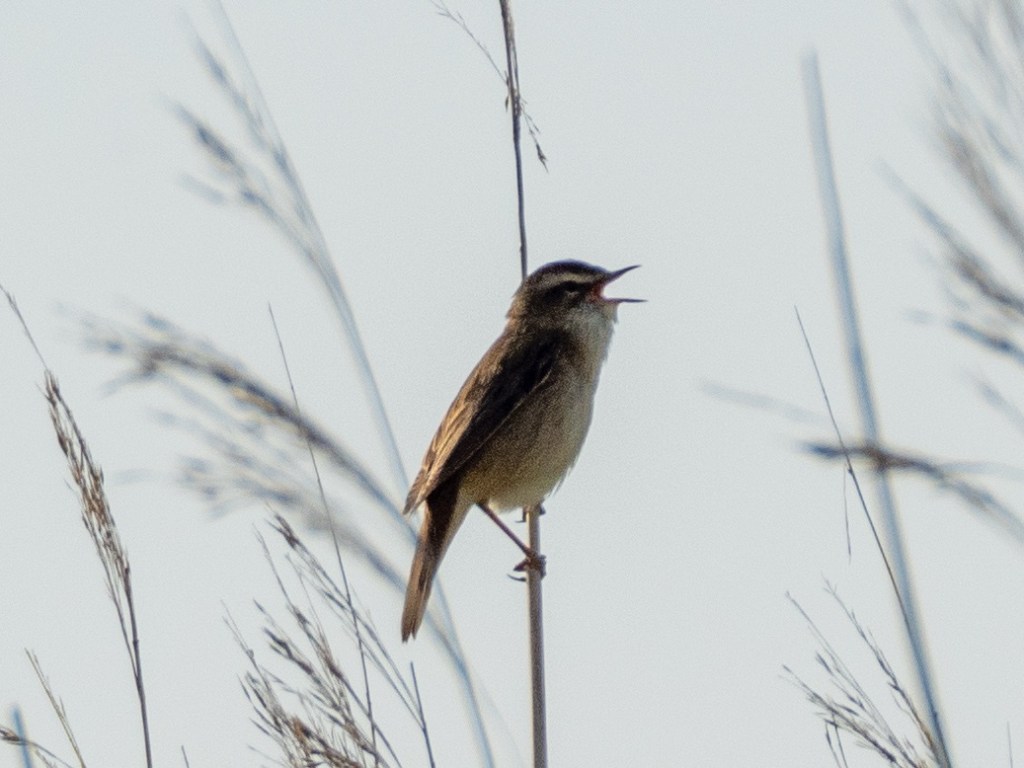
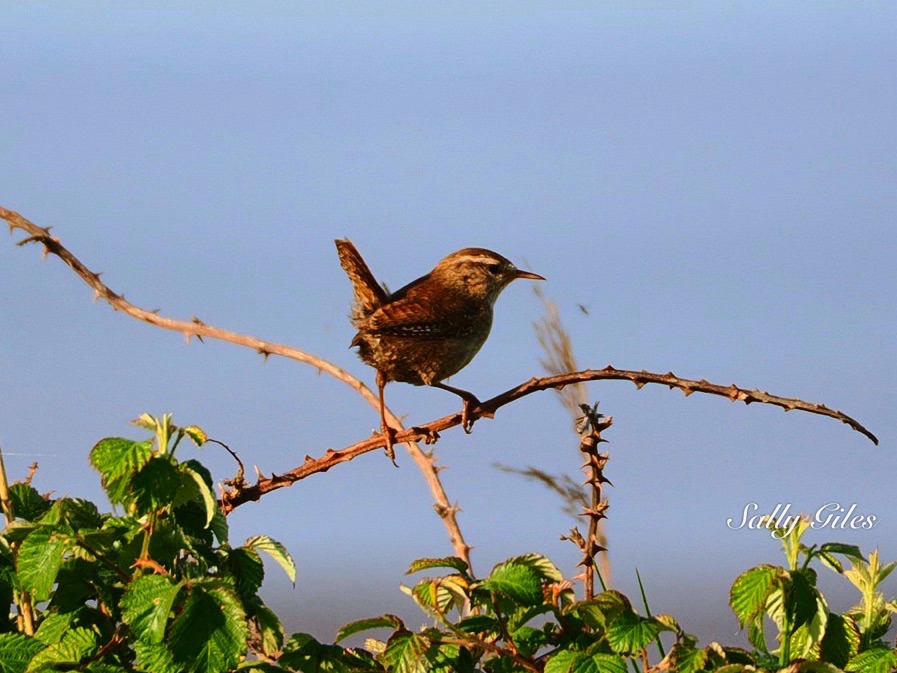
One of the first to reveal itself was a sedge warbler, perched surprisingly openly among the reeds. Small and energetic, it delivered its rambling, scratchy song with remarkable confidence, bouncing between stems with barely a pause. They are wonderfully restless birds, never seeming entirely still, and far louder than their size would suggest.
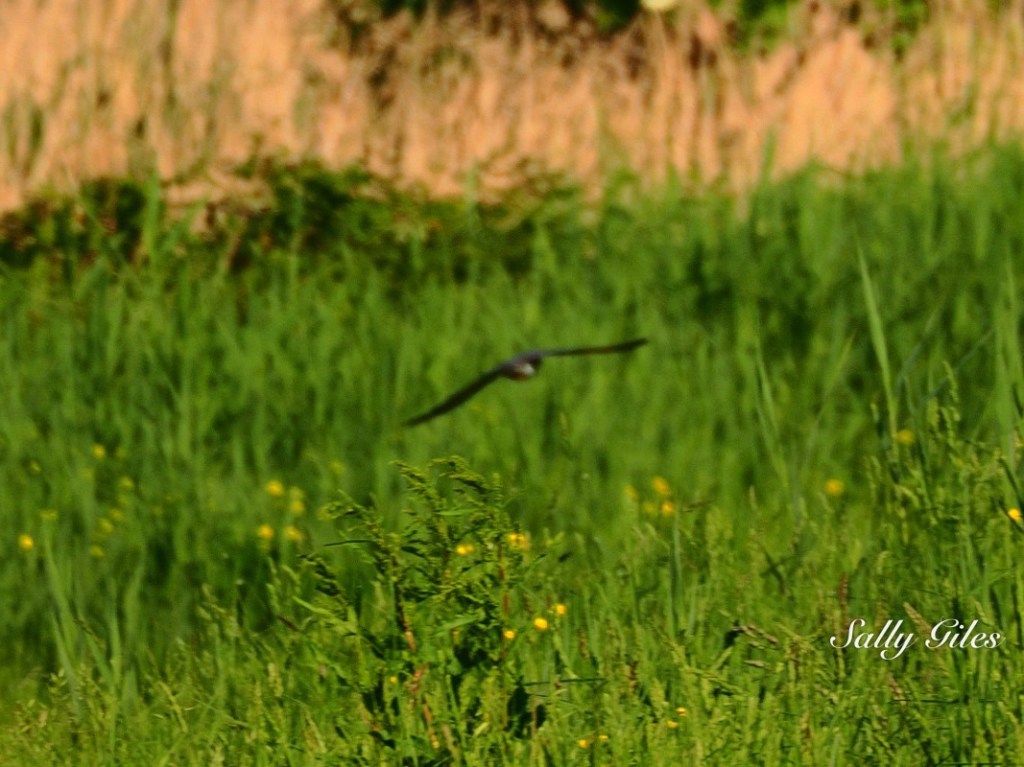
Not long afterwards came the unmistakable silhouette of a hobby slicing across the sky. Fast, agile, and purposeful, it moved over the reserve with incredible speed — a falcon built almost entirely for flight. For a few moments it circled above the marshes, effortlessly hunting the air before vanishing again just as quickly as it had appeared. I was not ready, and the picture is terrible!
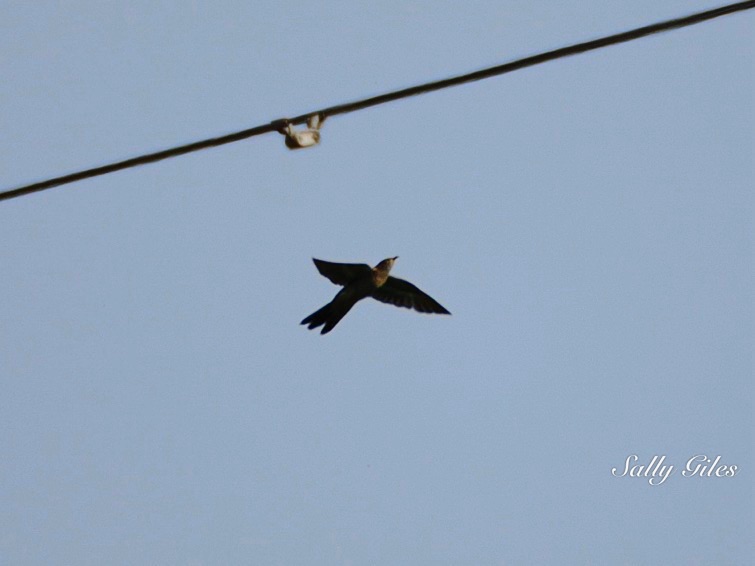
Somewhere deeper in the reeds, a cuckoo called — one of those sounds that instantly anchors you to late spring. Eventually, I caught a brief glimpse of it crossing between trees, slate-grey against the morning sky, though never close enough for more than a fleeting view.
Chiffchaffs seemed to be everywhere, their repetitive song carrying from almost every patch of woodland around the reserve. They’re small, understated birds, olive-brown and easily overlooked until they move, but once you learn their call it becomes impossible not to notice them.
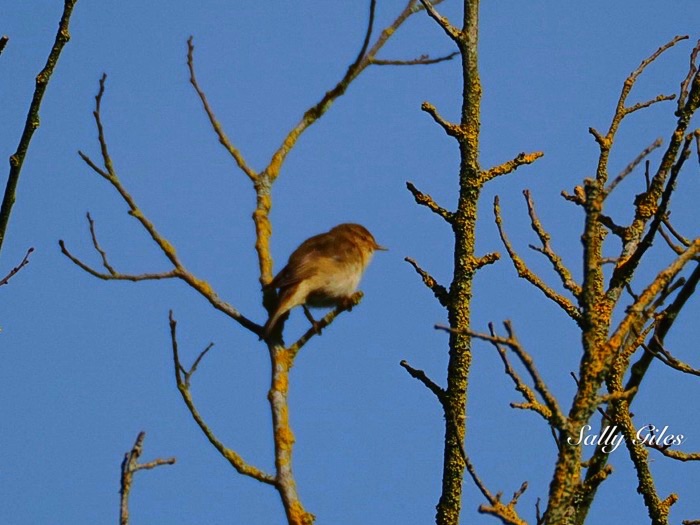
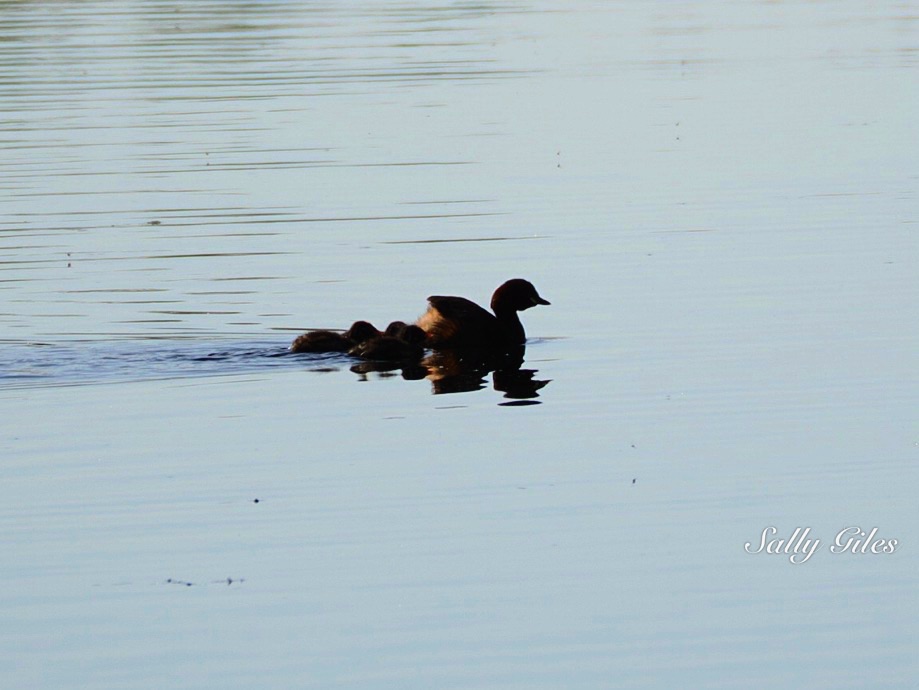
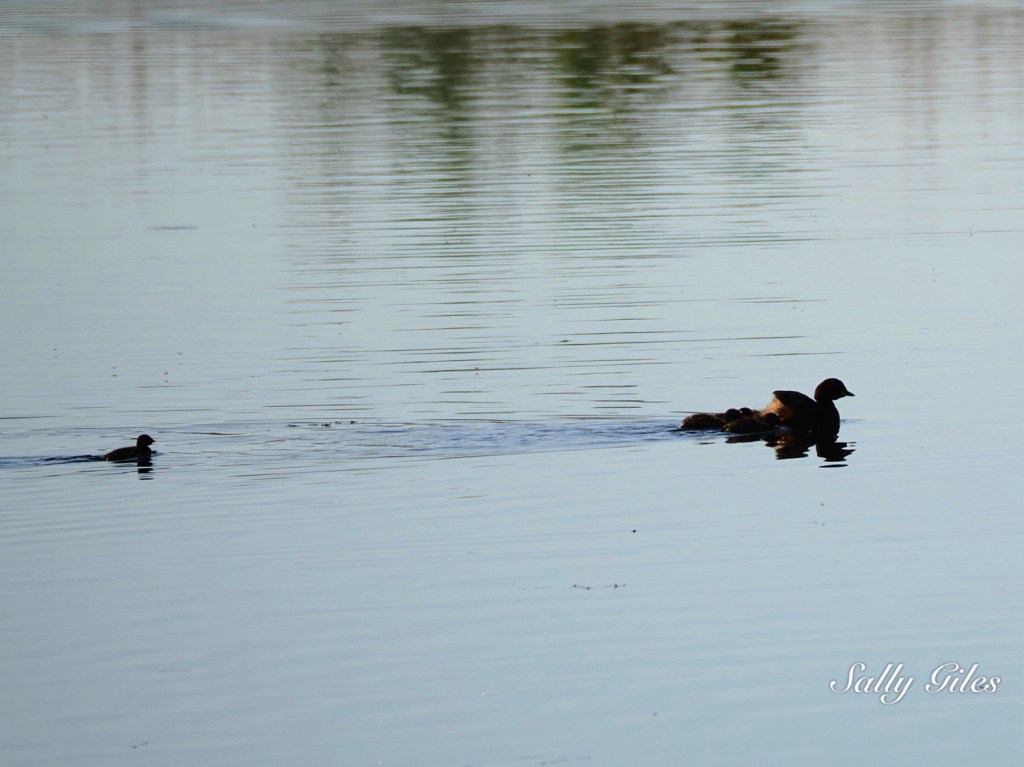
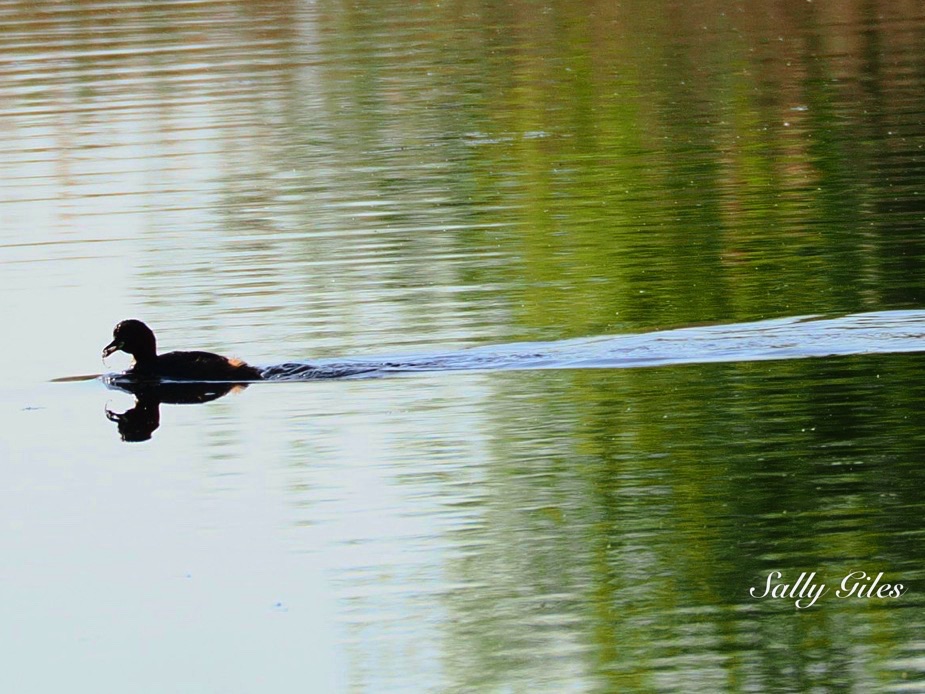
Out on the water, a little grebe family drifted quietly among the reeds. The adults moved low across the surface with their usual subtle grace, while the chicks stayed close behind — tiny, striped bundles that looked almost too delicate for the open water. Watching them disappear in and out of the vegetation felt like glimpsing a small hidden world carrying on quietly beyond the footpaths.
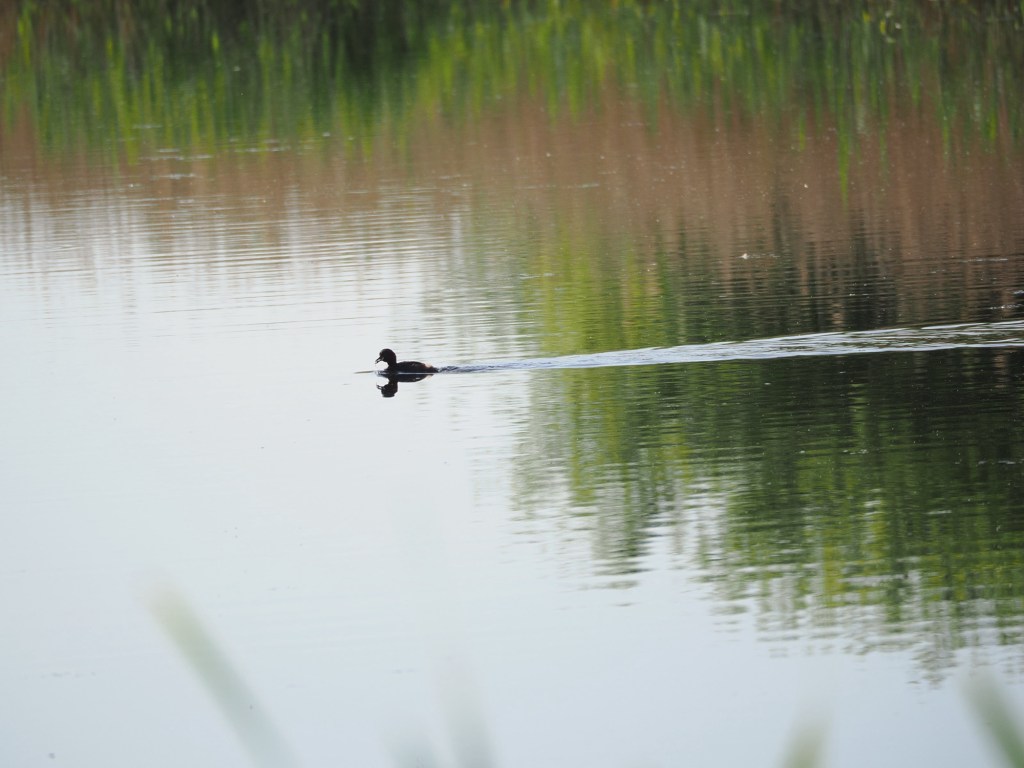
The reed warblers, meanwhile, remained frustratingly elusive. I could hear them constantly — their rhythmic chattering filling the reedbeds around me — but actually seeing them proved another matter entirely. Every now and then, one would briefly appear among the stems before melting back into cover almost immediately, staying just out of reach of both binoculars and camera alike.
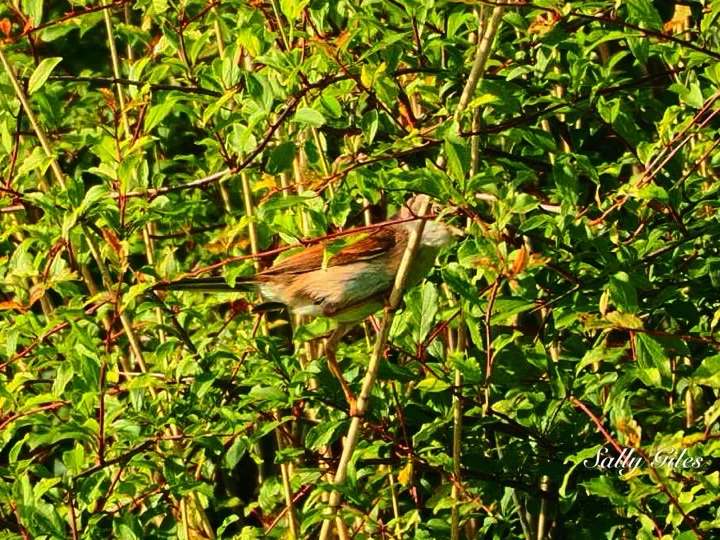
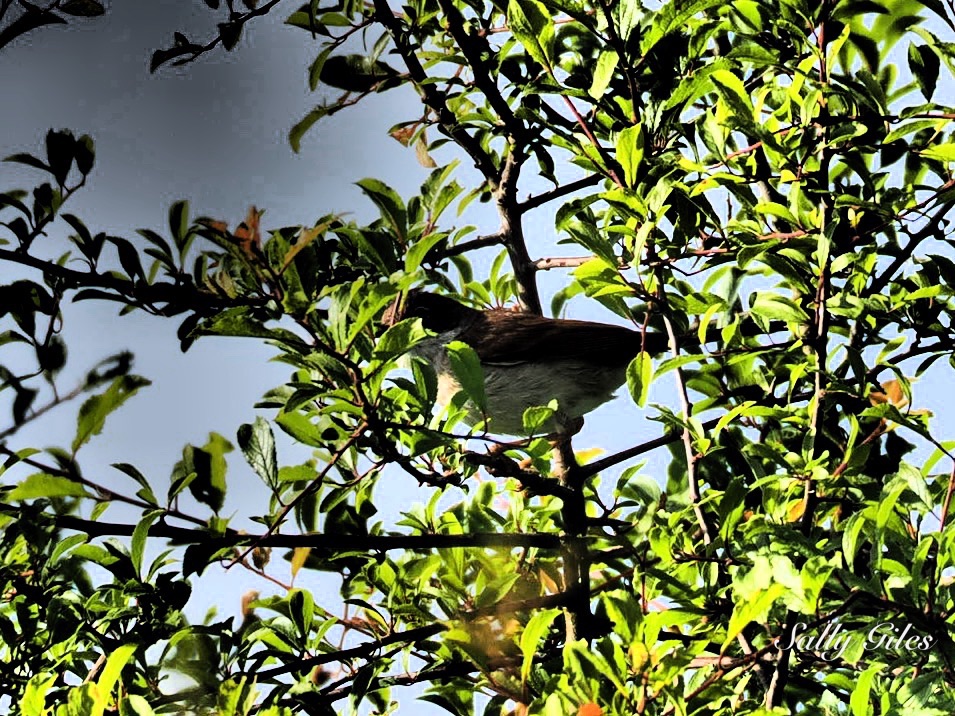
And perhaps that was part of the pleasure of the morning. Not every bird needing to be perfectly seen or photographed. Sometimes just knowing they are there — hidden in the reeds, singing unseen into the warmth of the rising day — is enough.
By the time the sun began properly heating the reserve, I turned back towards the car park, the paths beginning to slowly fill with other visitors arriving for the day ahead.
For a few hours though, the wetlands had felt wonderfully quiet. Just birdsong, soft morning light, and the gentle rustle of reeds in the breeze.




Leave a Reply