Scotland Road Trip, May 2026.
Our first extended van holiday of the year finally arrived in May — a long-awaited road trip around Scotland, chasing open landscapes, quiet roads, and a slower pace for a while.
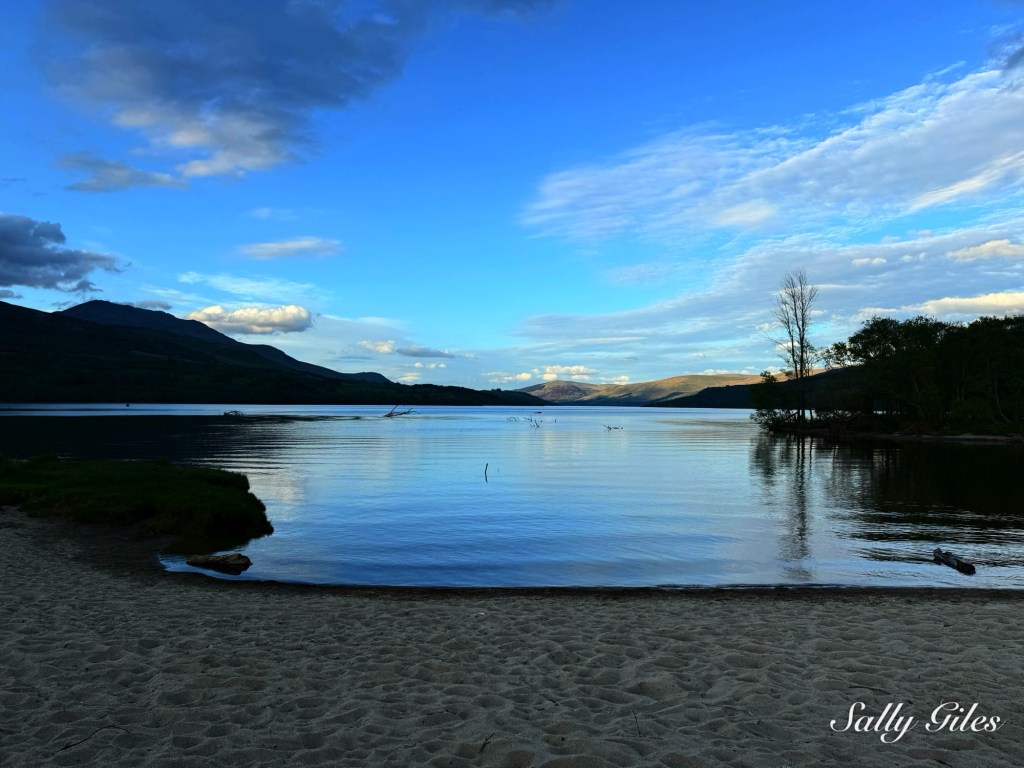
On Saturday, we left early and headed north to our first destination: two nights in the beautiful village of Killin. Sitting at the western edge of Loch Tay, where the River Dochart tumbles through the village, Killin feels like a gateway between the Highlands and the gentler landscapes further south. Surrounded by mountains and water, it carries that unmistakable Highland atmosphere — part rugged wilderness, part peaceful retreat.
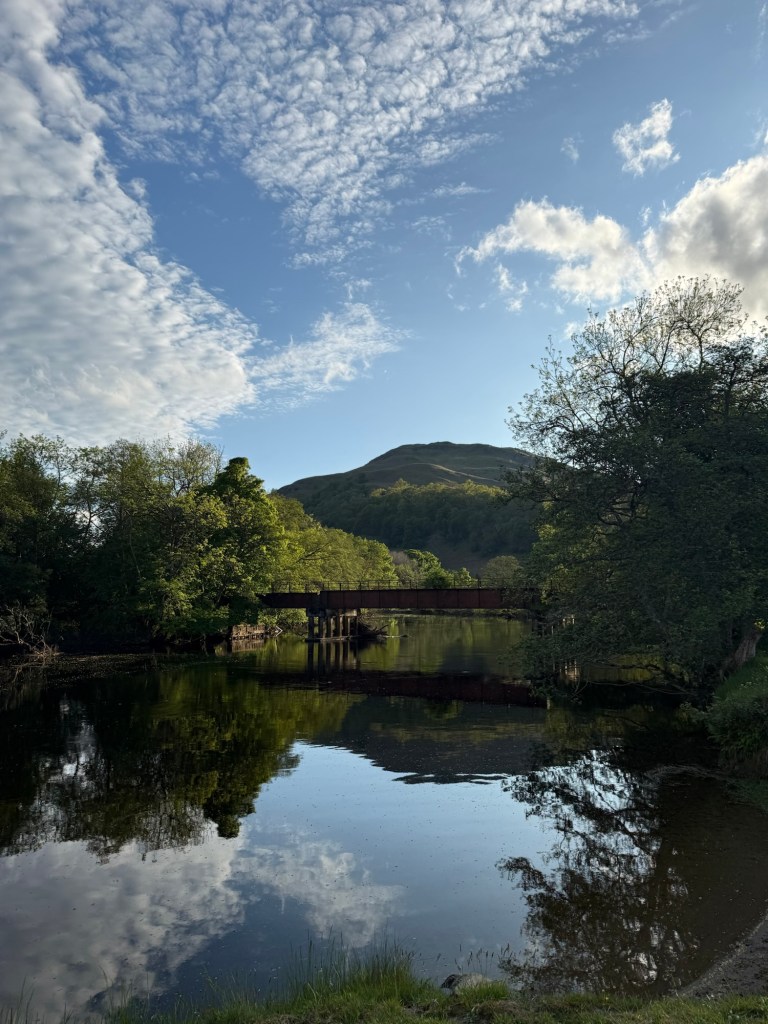
Our campsite sat beside the River Dochart itself, the steady rush of water never far away. After arriving and settling in, we headed out on our first wander towards the loch.
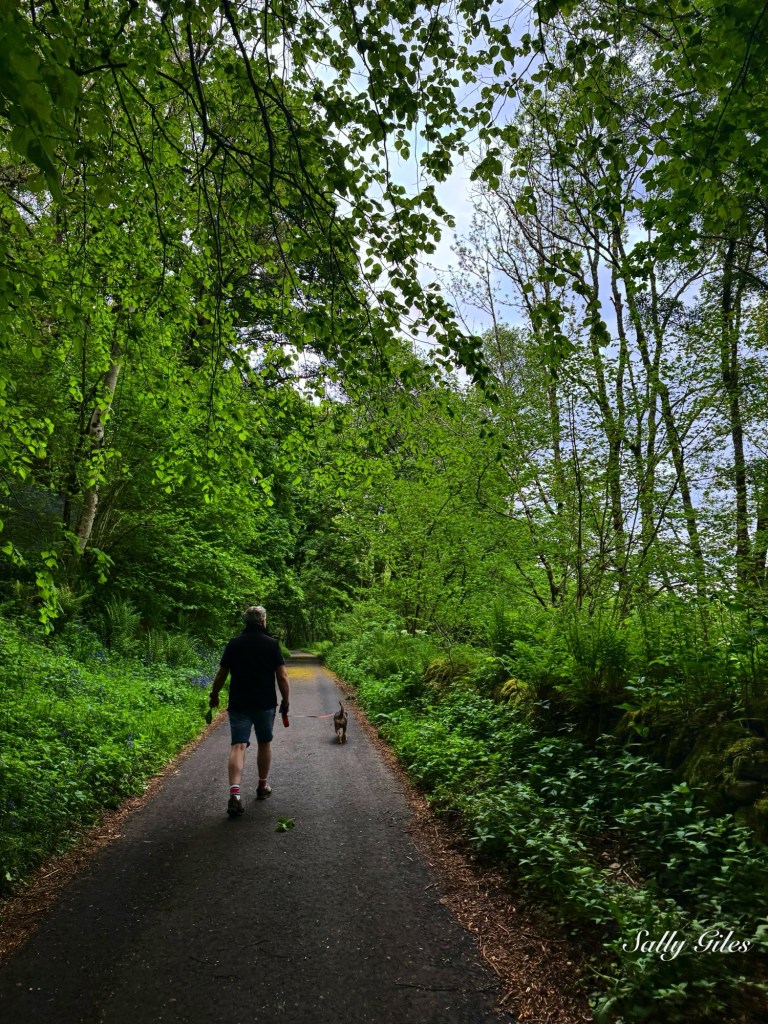
The route took us along a shaded, tree-lined path carpeted with bluebells, the air alive with the hum of insects enjoying the sudden warmth of late spring.
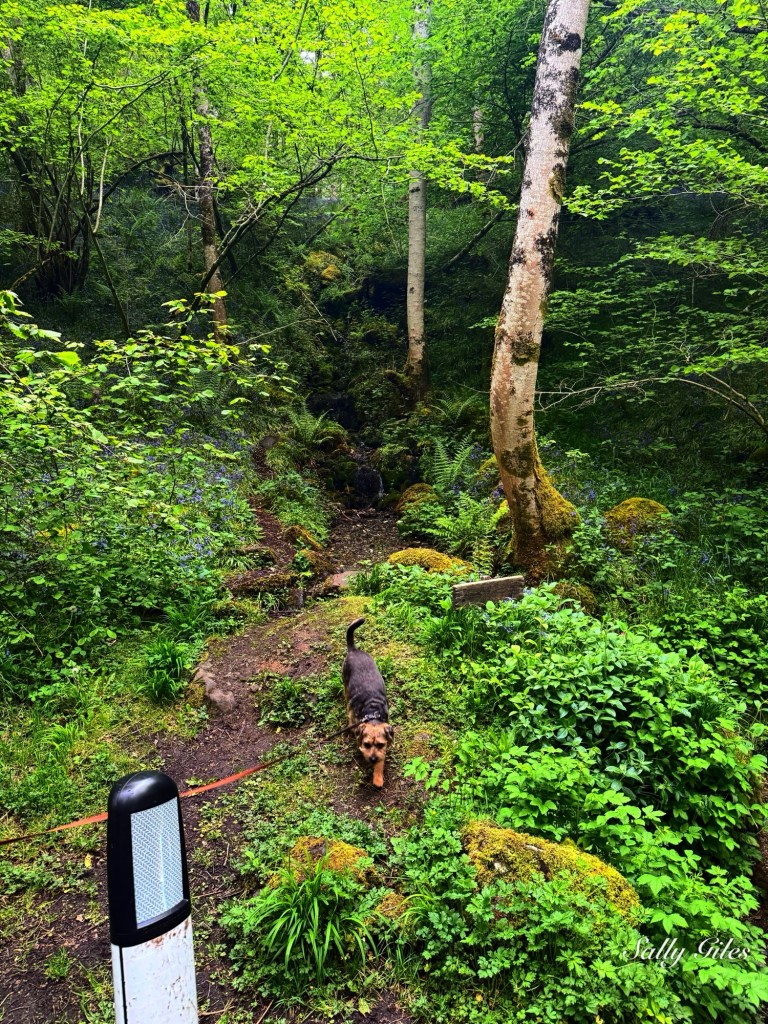
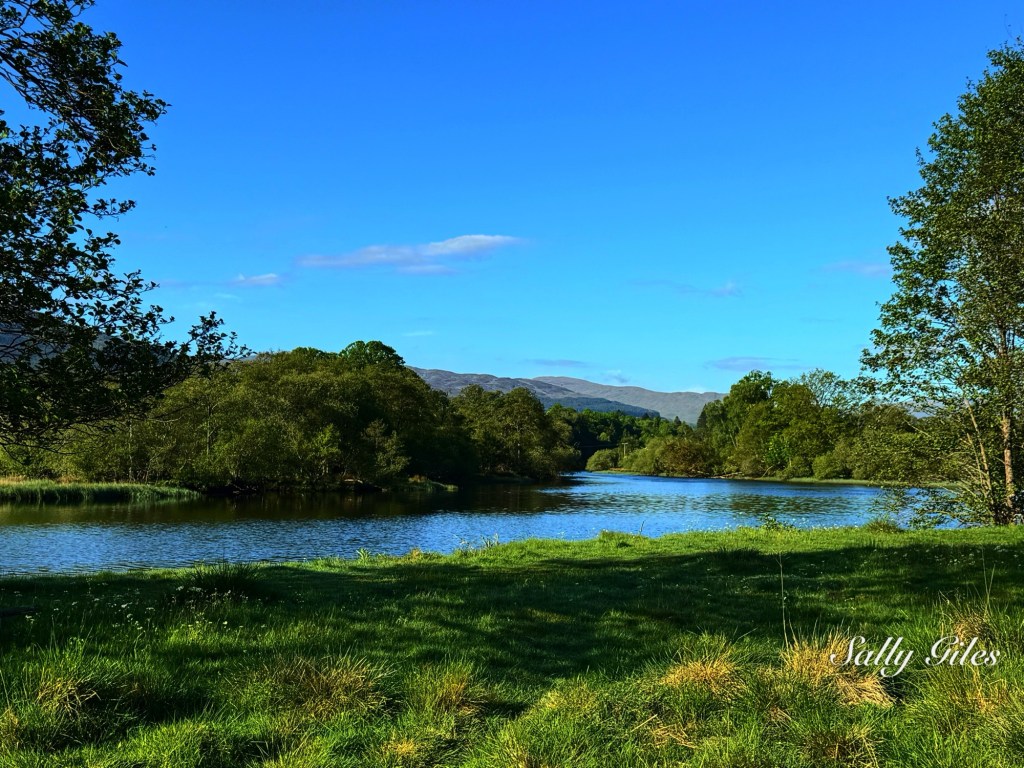
Sunlight filtered through the leaves in shifting patches, and every so often the trees opened to reveal glimpses of Loch Tay stretching out beyond.
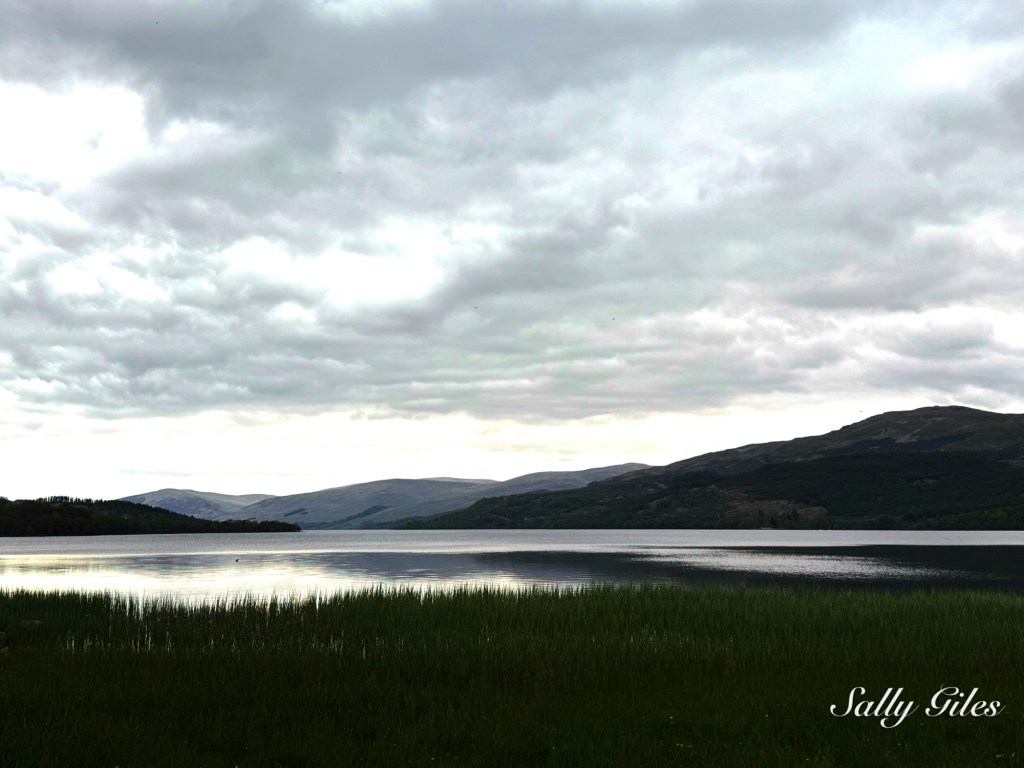
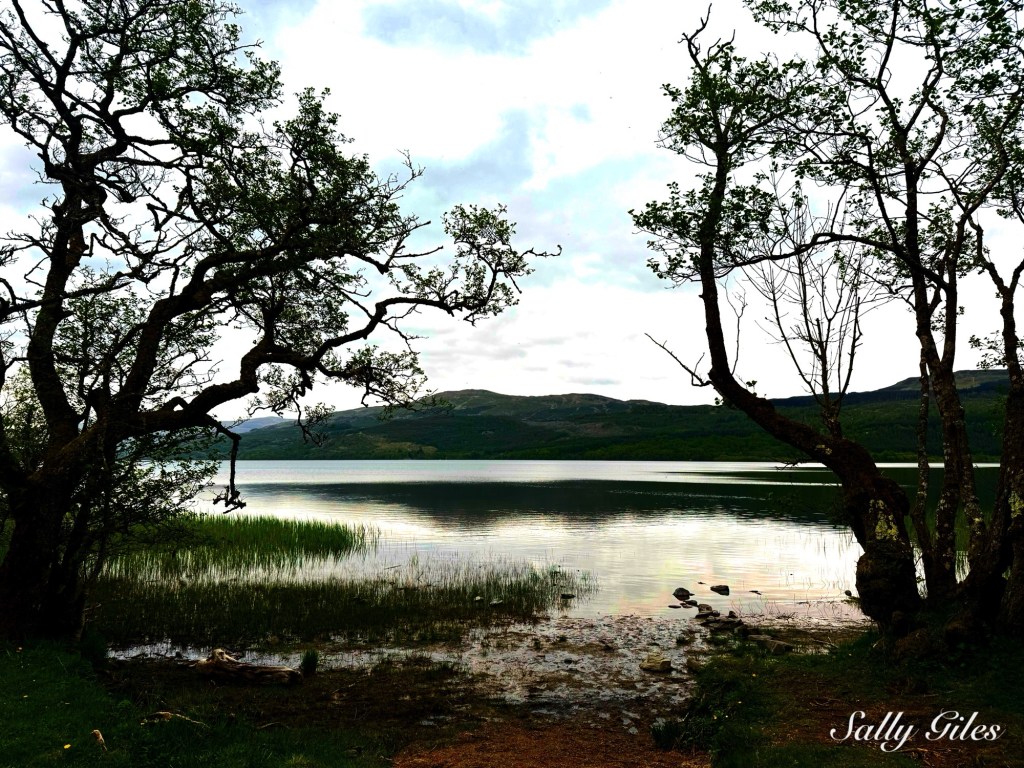
Towering above the landscape is Schiehallion — its name derived from the Gaelic Sìdh Chailleann, often translated as “Fairy Hill of the Caledonians.” Its broad, symmetrical shape dominates the skyline, and the mountain holds a curious place in scientific history. In 1774, the Astronomer Royal Nevil Maskelyne conducted experiments on its slopes while attempting to calculate the mass of the Earth. In the process, the detailed mapping work carried out during the survey accidentally led to the invention of contour lines — changing cartography forever.
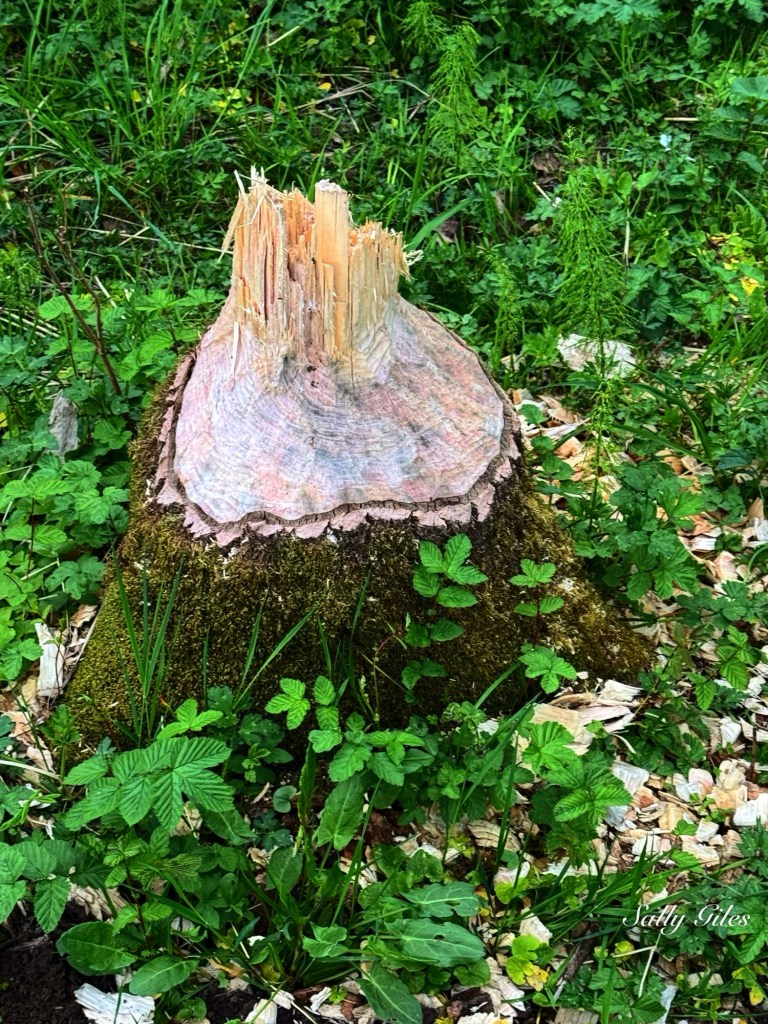
On our return, we passed through a small copse where another kind of engineering project was underway. Beavers have been busy here, felling trees along the water’s edge with impressive efficiency. Once hunted to extinction in Scotland centuries ago, Eurasian beavers have gradually been reintroduced in recent years, returning to waterways where they are already reshaping habitats and creating wetlands that benefit countless other species. Seeing the evidence of their work scattered along the banks felt oddly special — signs of an old resident quietly reclaiming its place.
Sunday morning began with a run. I laced up my trainers and headed out along the old tramway towards the Falls of Dochart, where the river flows through the centre of Killin beneath the old stone bridge. The falls are one of the village’s defining features — gently tumbling water, and endlessly fascinating to watch.
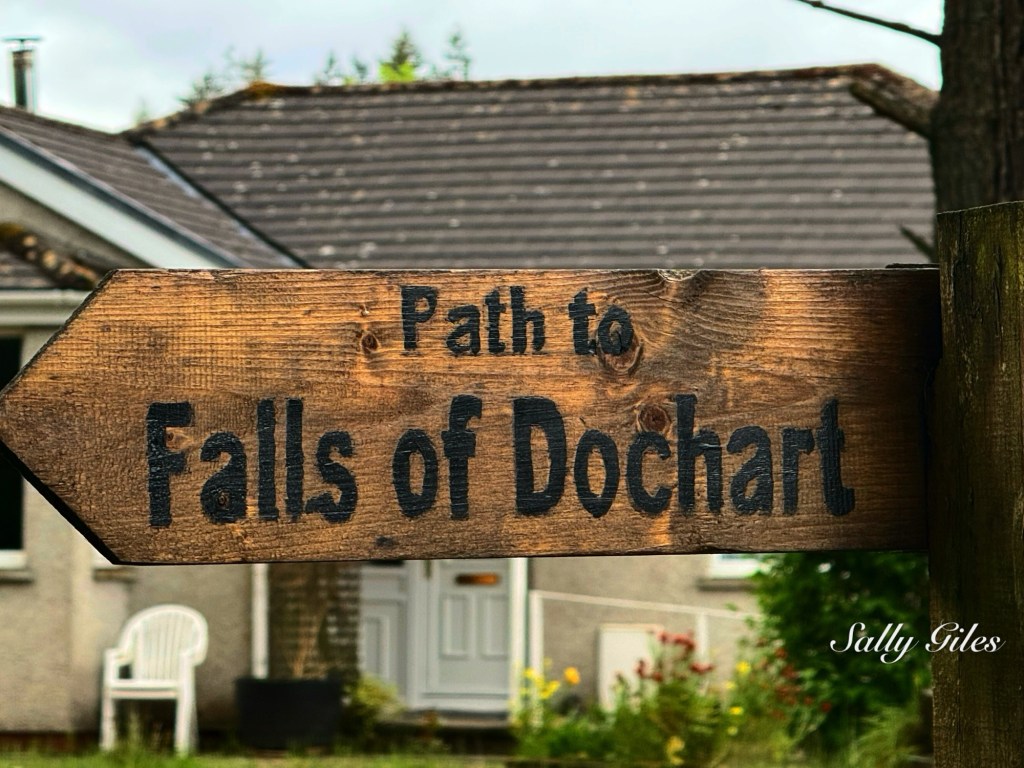
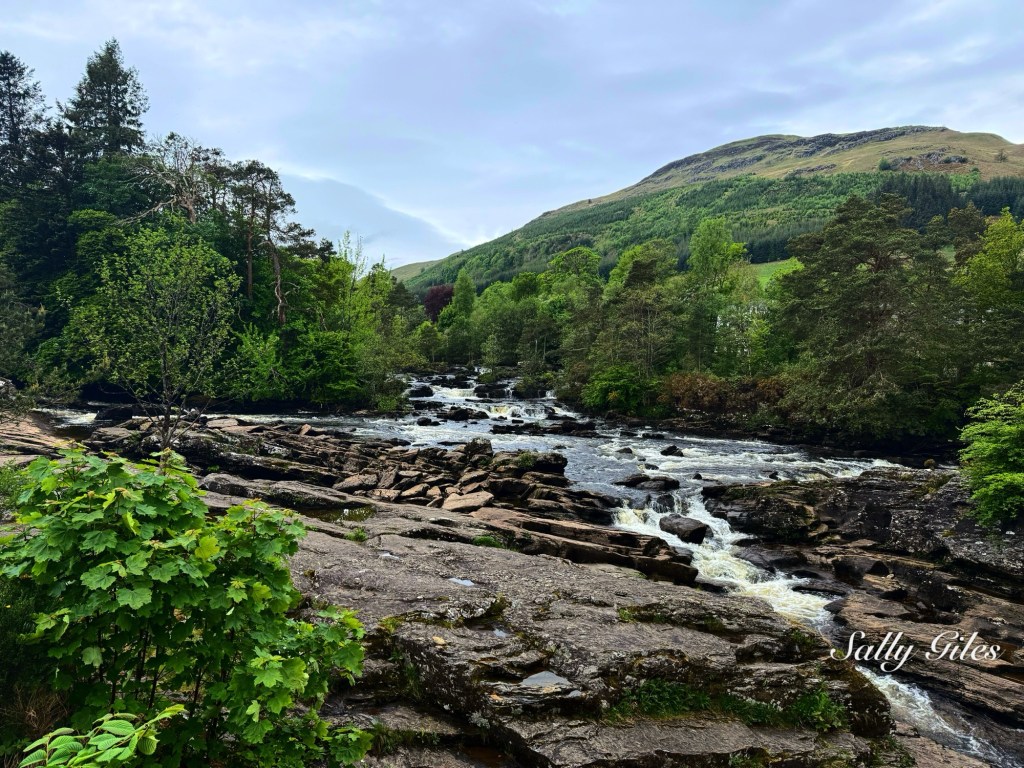
From there, I continued up Rob Roy Road before looping back through the forest, back towards the falls once more.
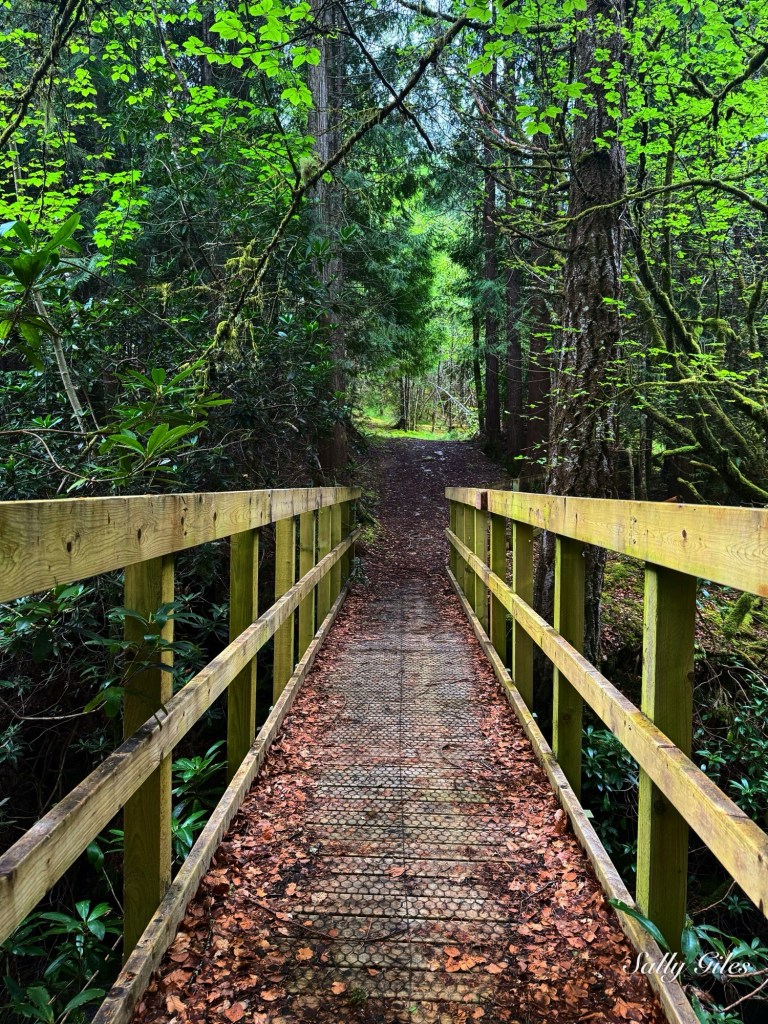
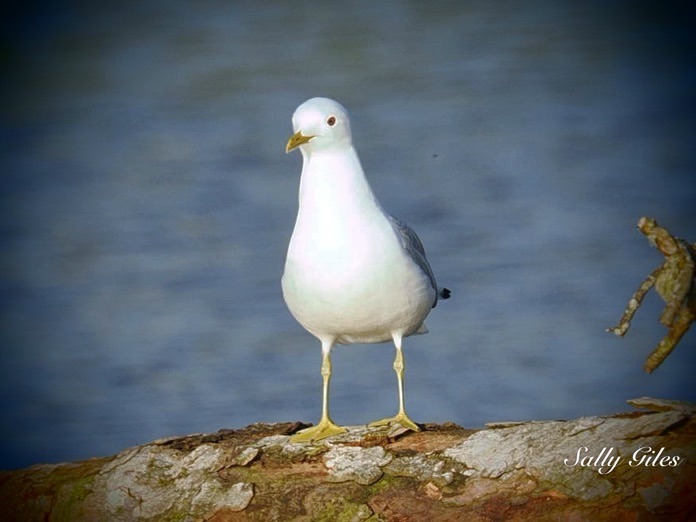
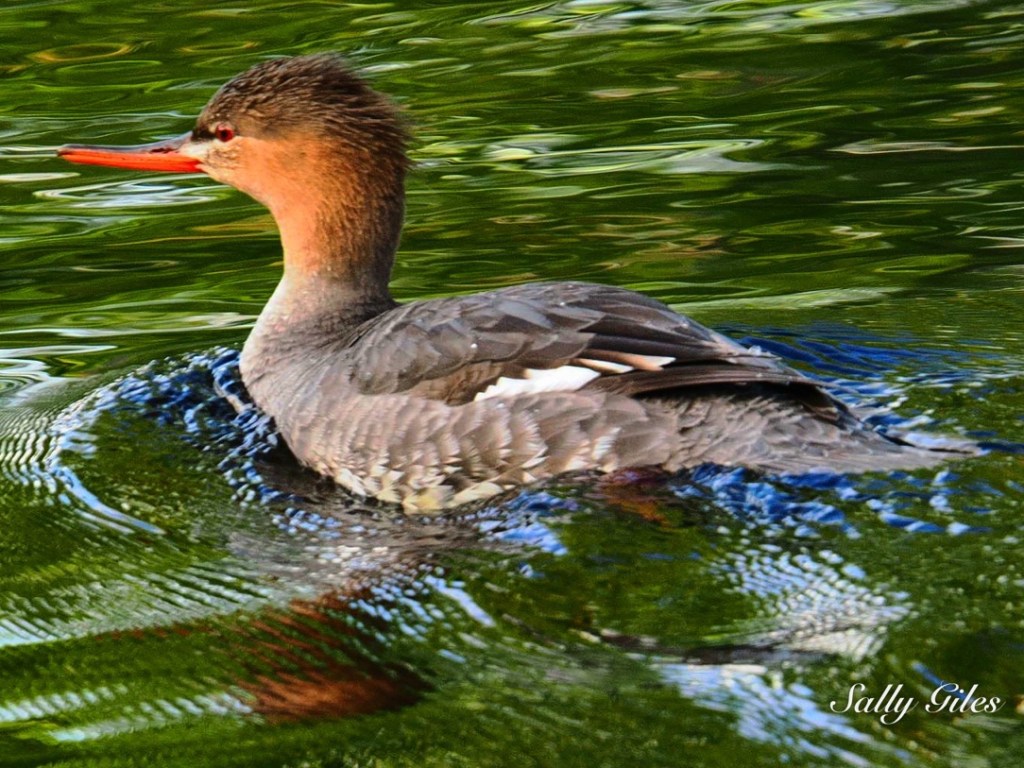
I do genuinely enjoy running… but nature tends to sabotage any serious athletic ambition. Before long, birdsong had distracted me entirely, and my camera emerged from my running pack. Soon enough, the run had become a slow wander with occasional jogging interludes.
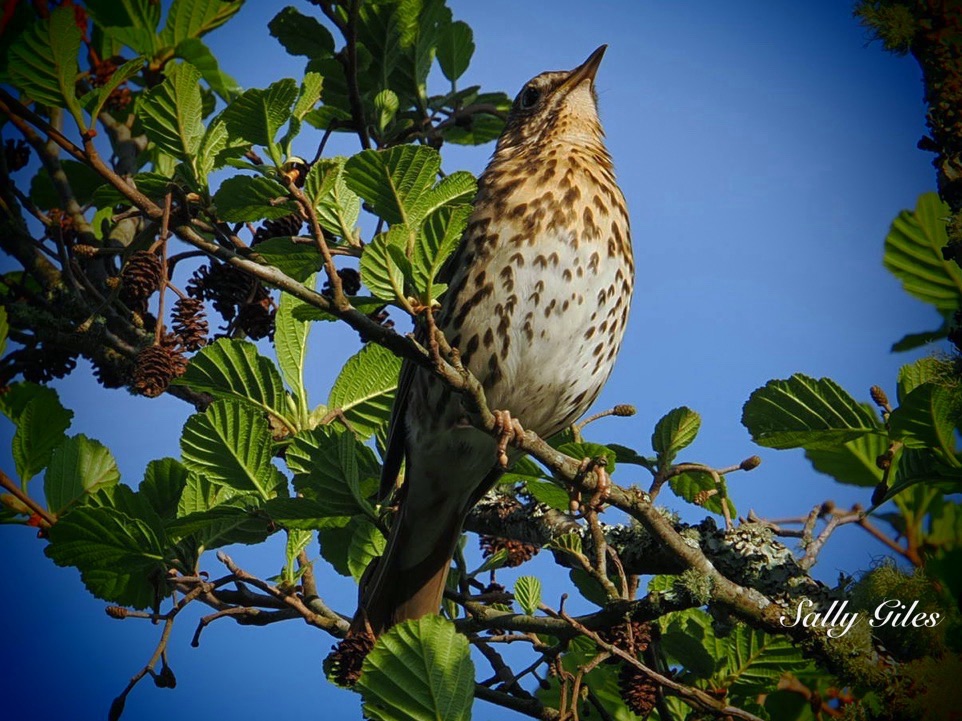
From deep within the trees came the unmistakable song of a wood warbler — a new bird for me, though sadly far too elusive to photograph. A lone osprey called overhead too, its cry carrying across the valley before it disappeared from view frustratingly quickly.
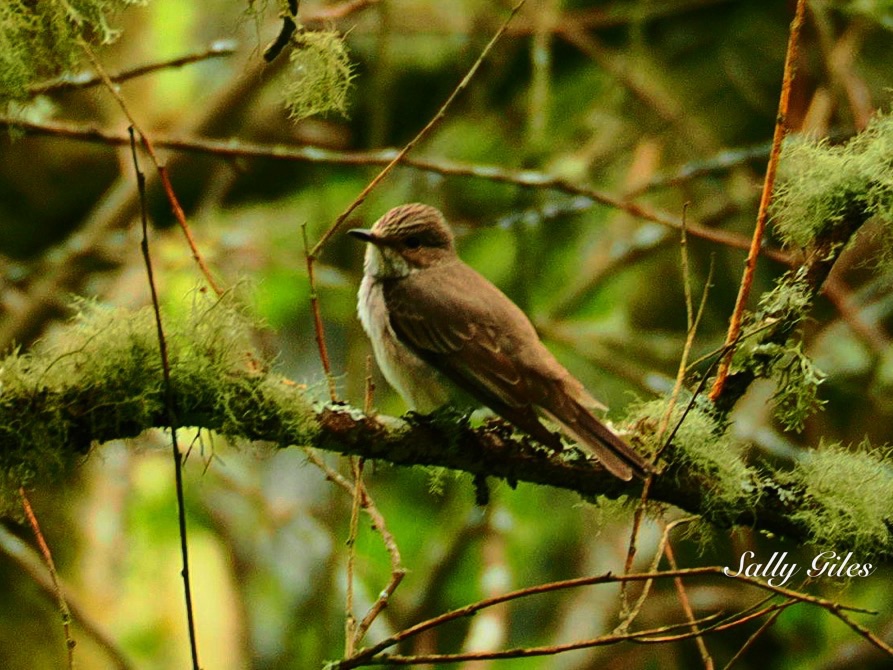
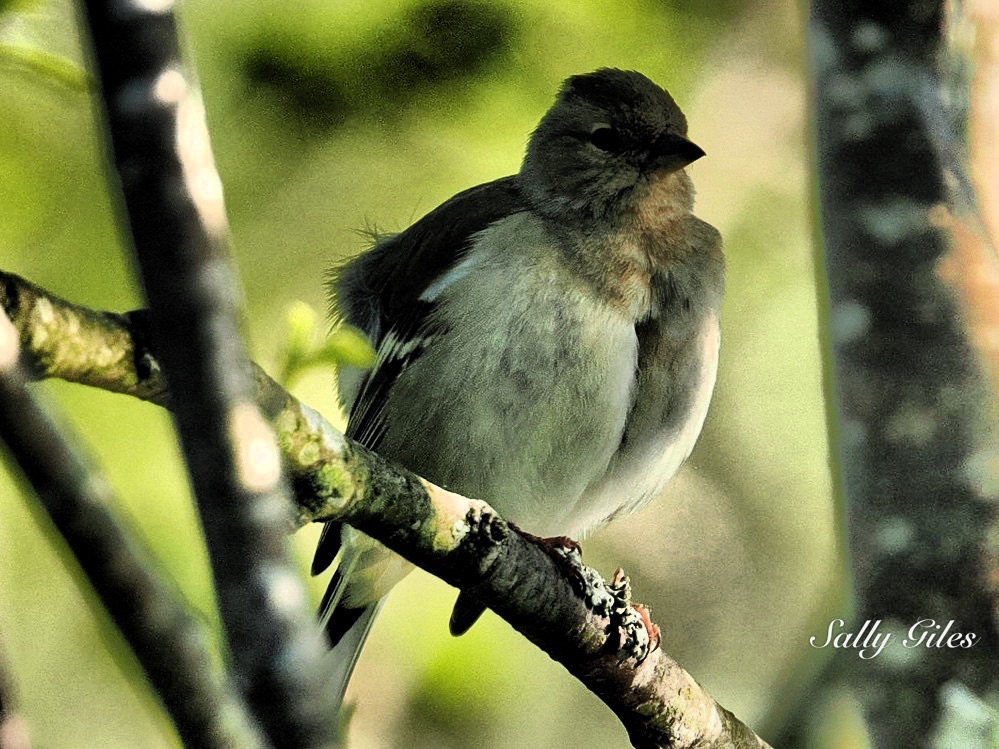
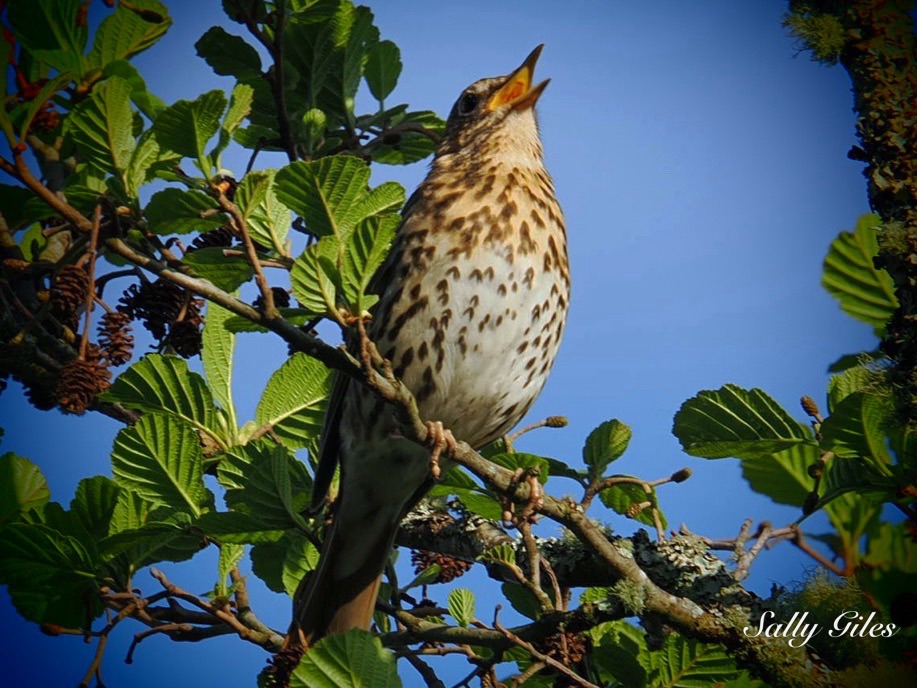
I did at least manage one photographic reward: a spotted flycatcher perched quietly among the branches, darting out every so often to snatch insects from the air.
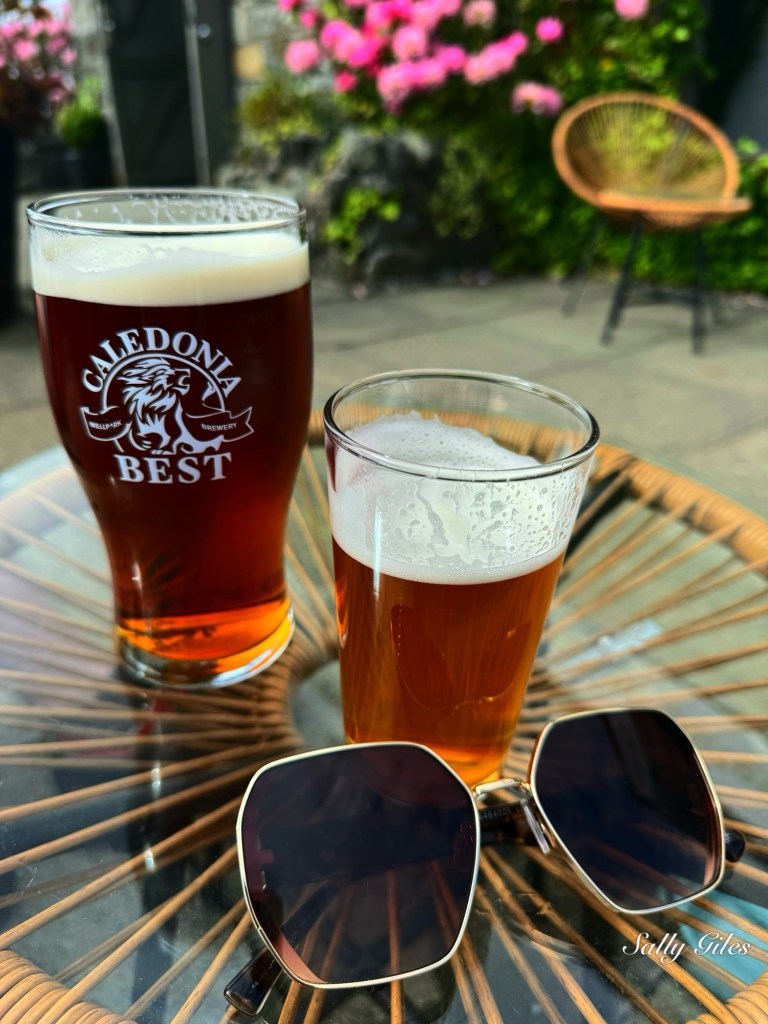
In the afternoon, we wandered up to the village and spent a lazy hour soaking up the sun in the beer garden of the Killin Hotel, before returning for a bbq.
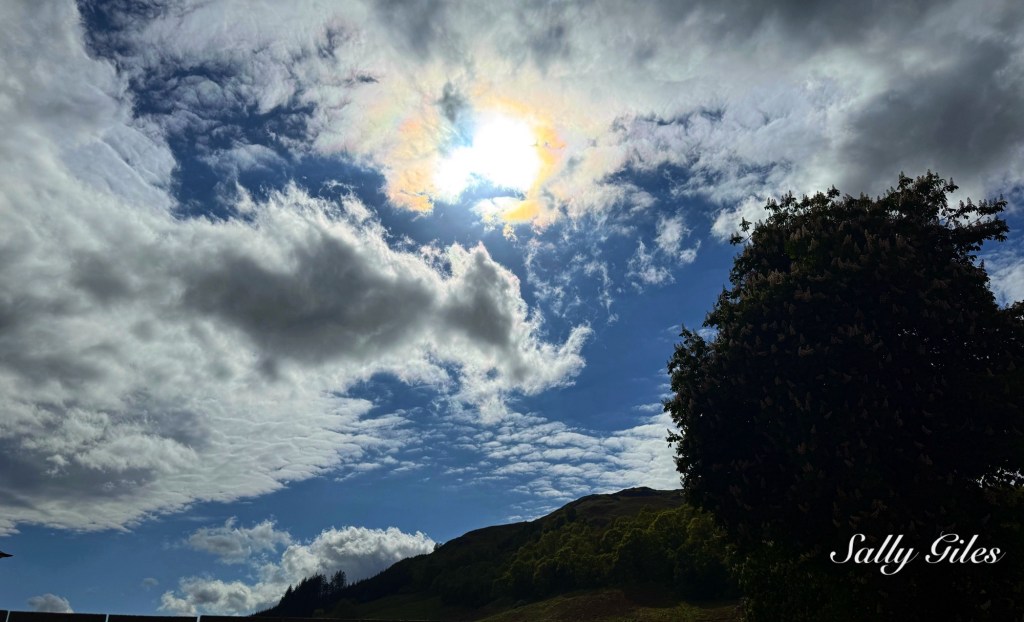
On Monday morning, Pepper and I headed back out early before the day’s heat properly arrived. As we walked towards the loch once again, a pair of golden eagles circled high above us, drifting effortlessly on the rising air currents.
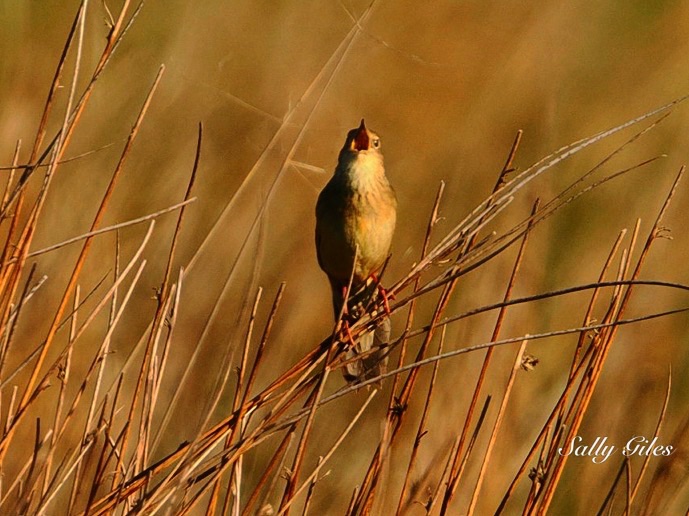
From the long grass nearby came the strange reeling sound of a grasshopper warbler — one of those birds more often heard than seen, its call oddly mechanical against the softness of the landscape.
The beavers had clearly been active overnight too. Pepper became utterly fascinated by the trails weaving through the grass near the water, nose working overtime as she investigated every scent. Clearly, beaver is not something she encounters often in Lancashire.



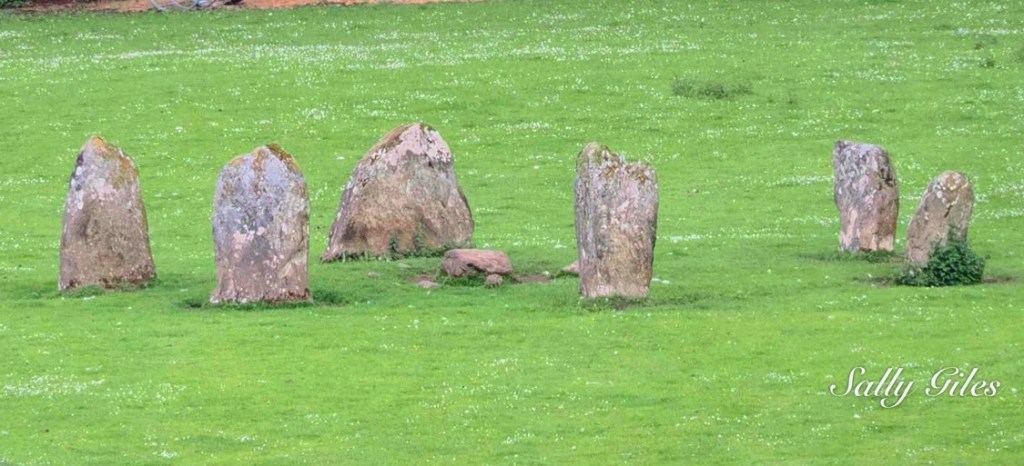
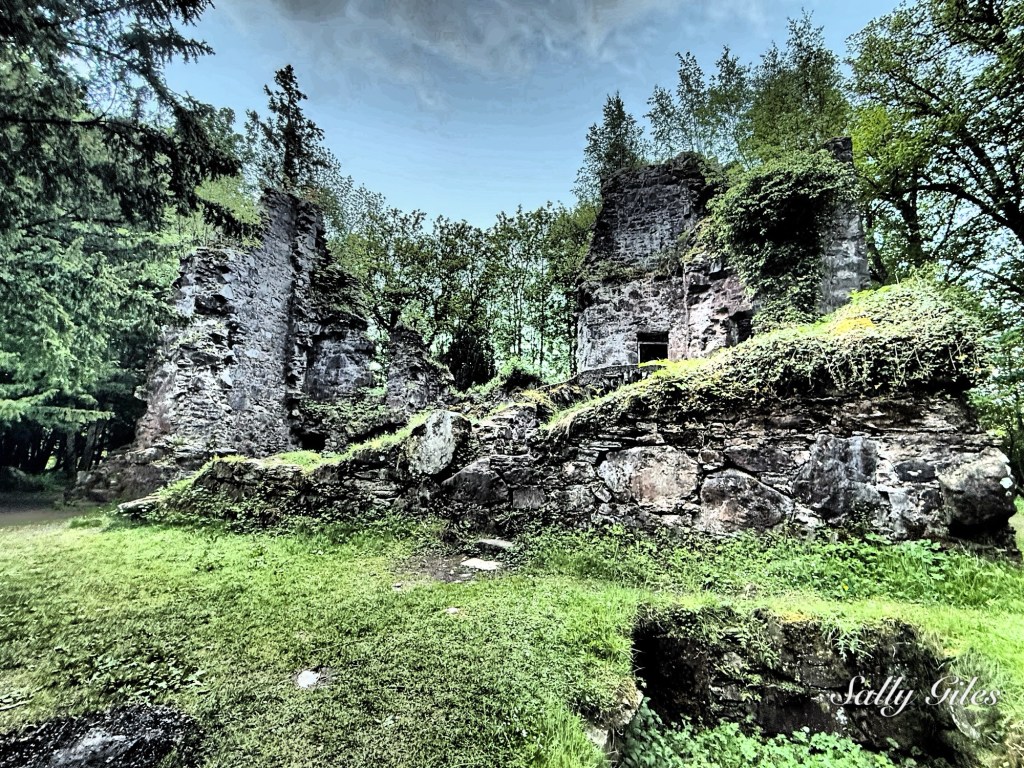
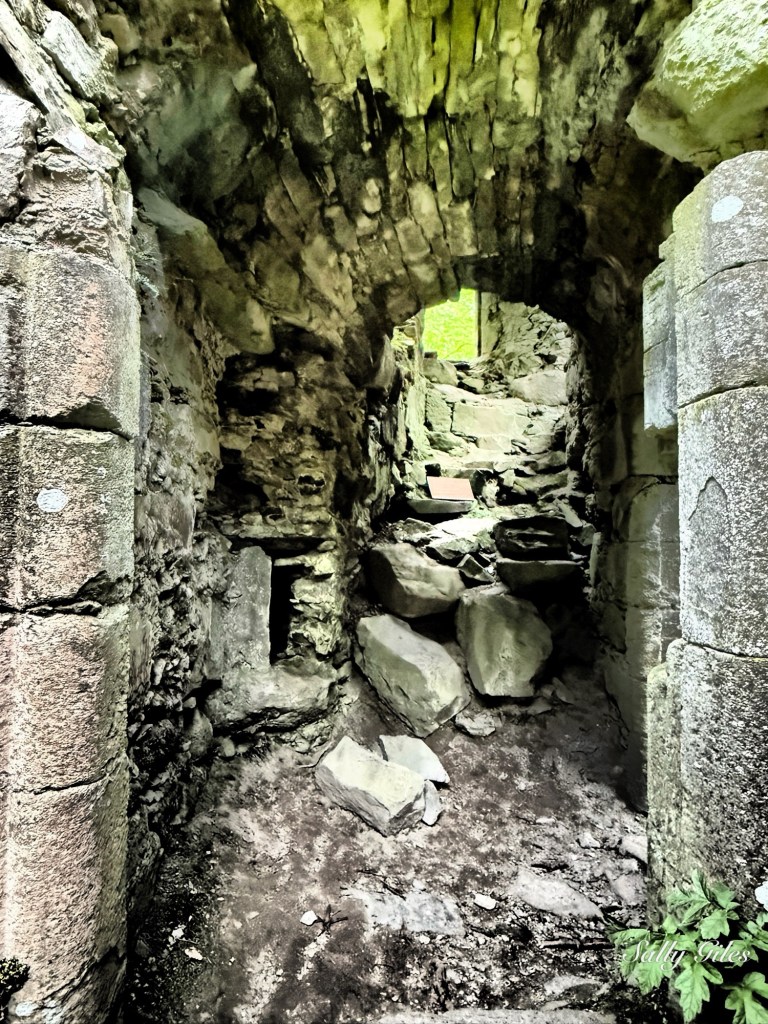
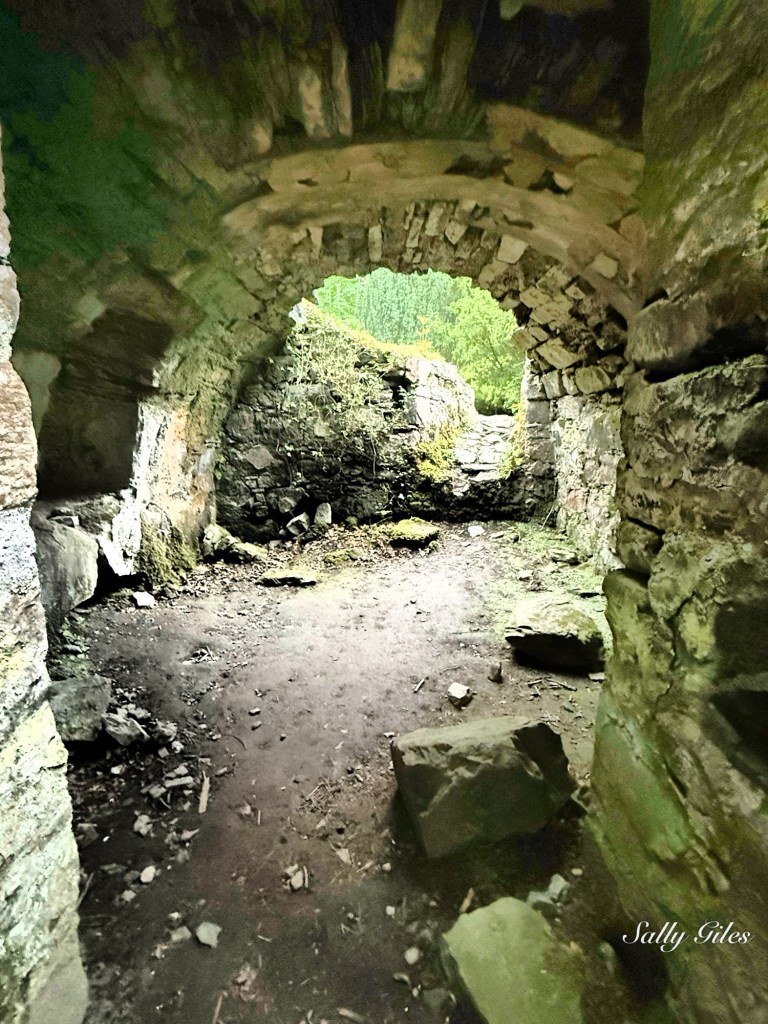
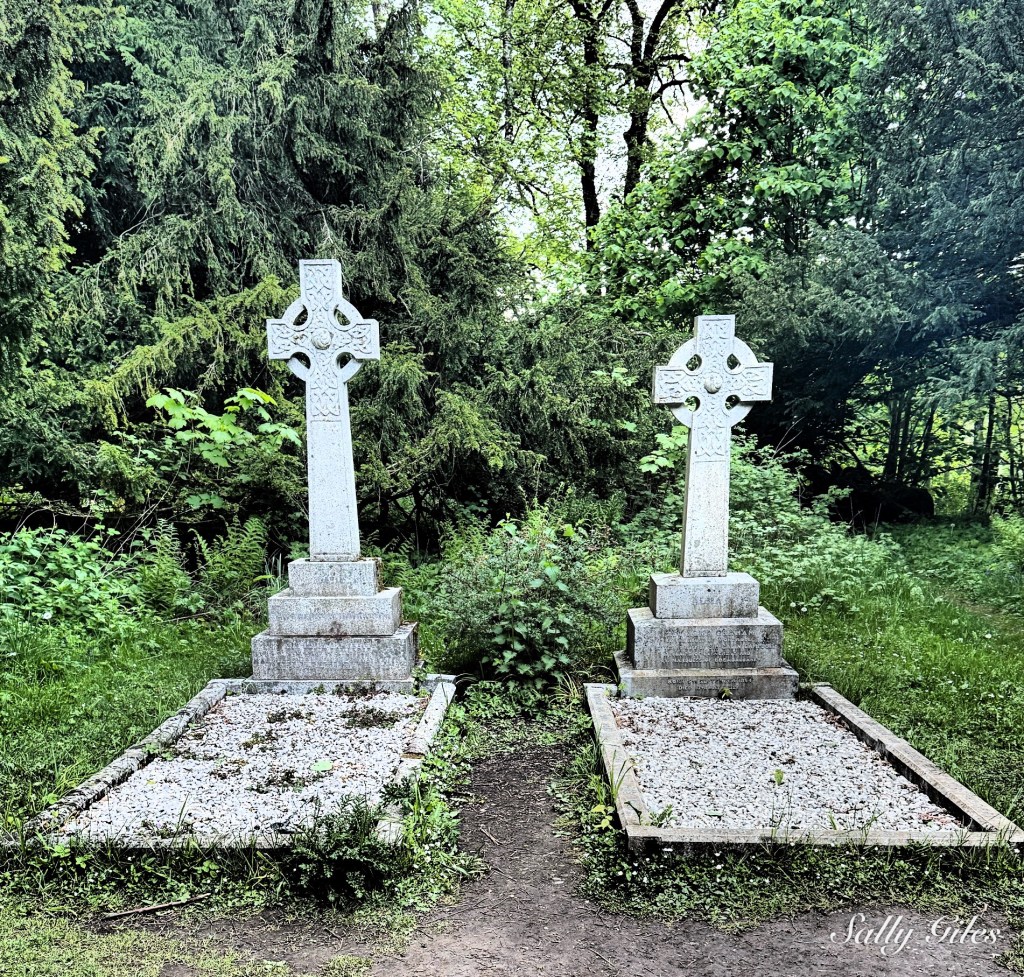
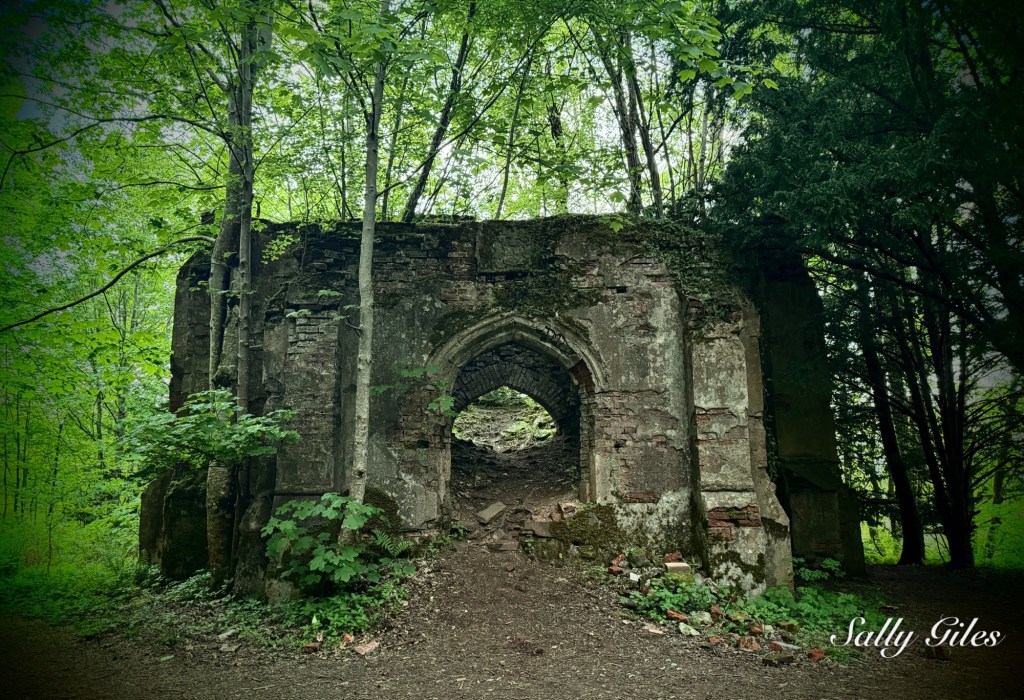
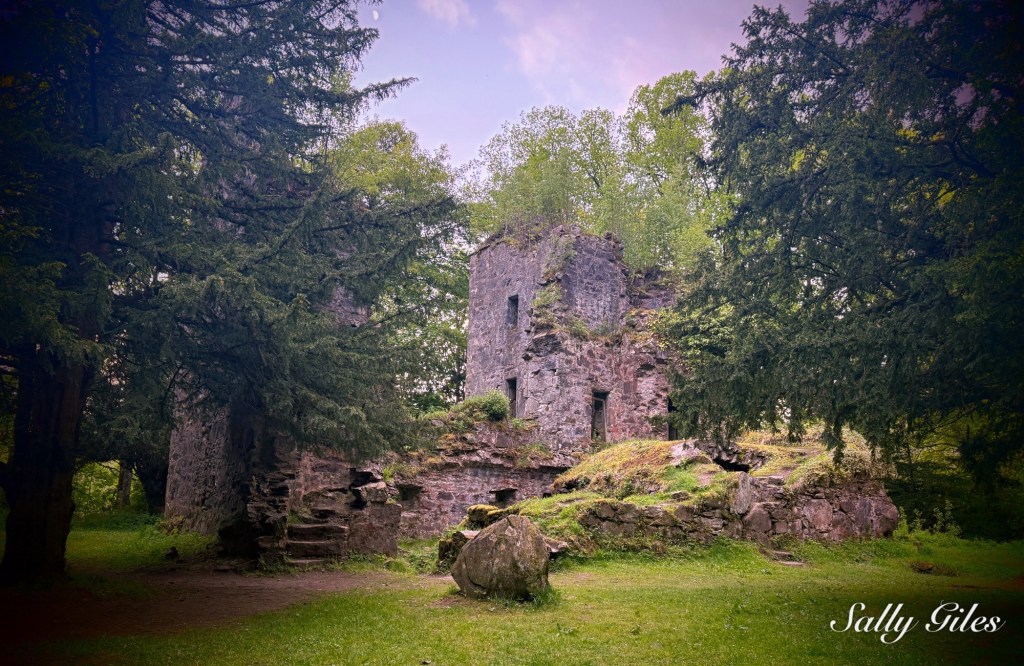
Before leaving Killin, we explored the ruins of Finlarig Castle and its chapel, hidden quietly among the trees. Once the stronghold of the Campbells of Breadalbane, the castle dates back to the 1600s and carries the slightly eerie atmosphere common to so many old Scottish ruins. Nearby lies the small chapel and graveyard, weathered stones leaning gently with age, the whole site wrapped in silence apart from birdsong and the wind through the trees.

Eventually, though, it was time to pack up the van once more. Another road awaited, another destination calling us further north.




Leave a Reply