There are weekends for adventure, and there are weekends for simply disappearing somewhere beautiful for a couple of days.
This weekend was the latter.
On Friday evening, we pointed the van north after work and headed for Pooley Bridge and the shores of Ullswater.
Pooley Bridge sits at the northern end of the lake, where Ullswater narrows into the River Eamont. The village takes its name from the crossing here; its old stone bridge, built in 1764, was famously swept away during Storm Desmond in 2015 and has since been replaced by an elegant stainless-steel arch — the first stainless-steel road bridge of its kind in Britain. (Ullswater Heritage)
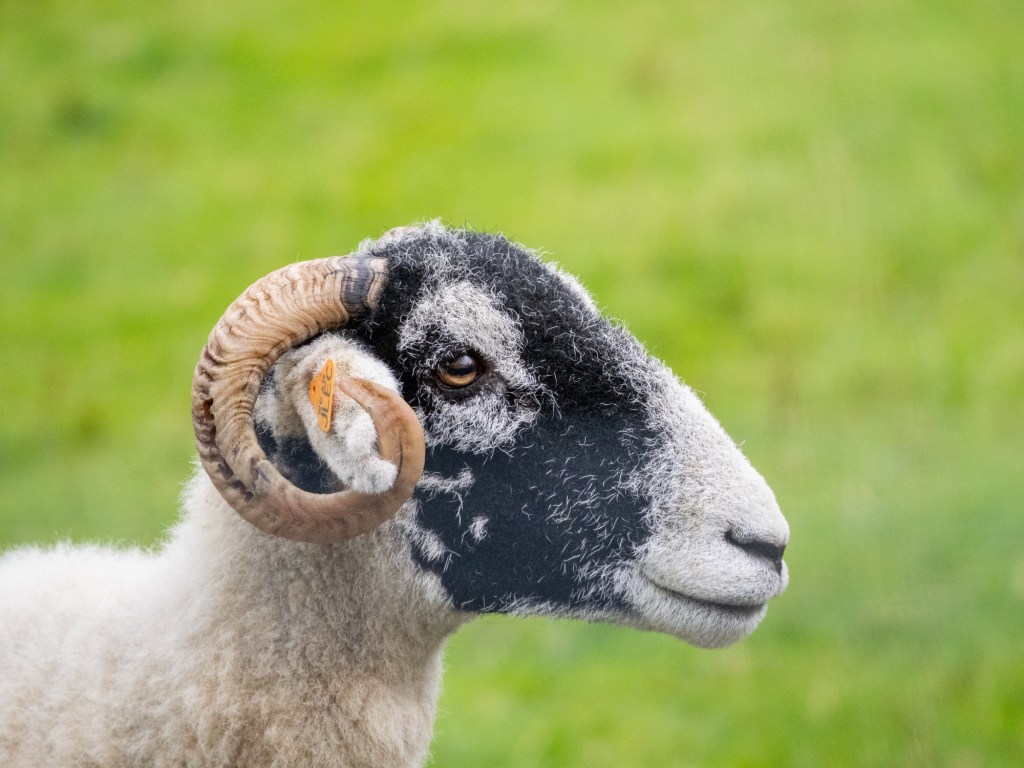
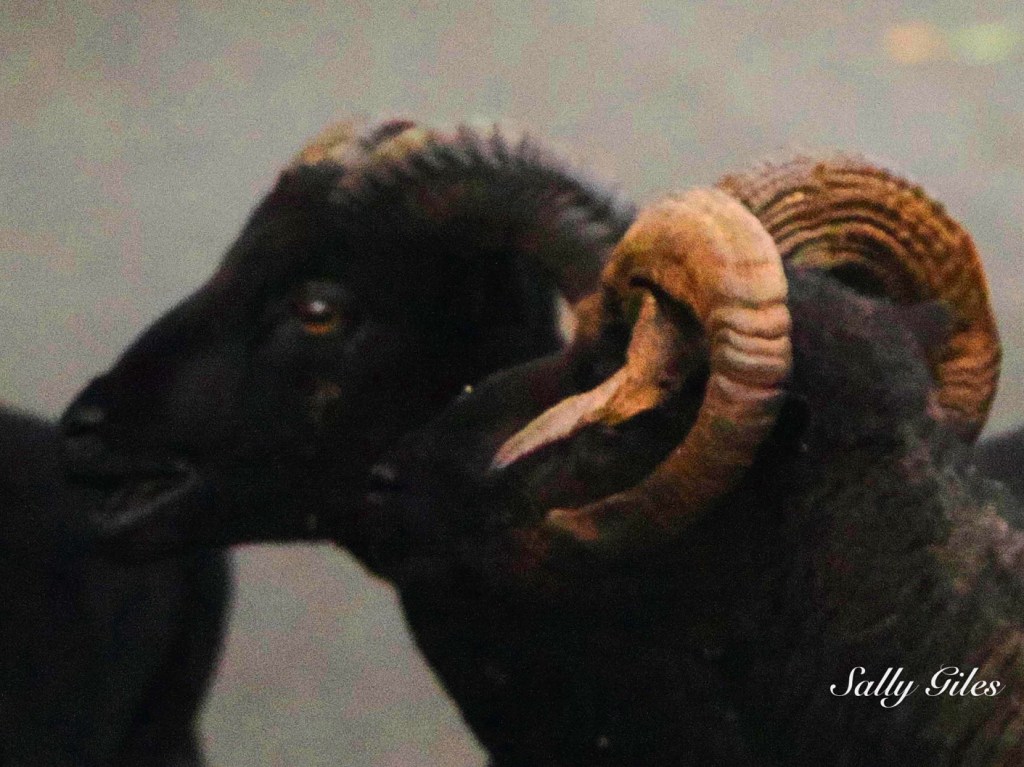
Our home for the weekend was Waterside House, a working farm and campsite on the eastern shore of Ullswater. The farmhouse dates from 1694 and the farm has remained in the same family for five generations, its Swaledale sheep grazing the surrounding land and Barton Fell. (Waterside Farm Campsite)
We arrived ready for a weekend of walking, good food and very little else.
After the usual nesting ritual — van levelled, chairs out, Pepper settled and everything restored to its proper place — there was some rather good pizza, a film and an early night in preparation for Saturday’s walk.
Saturday dawned crisp and bright.
There was a chill breeze coming off the lake and some early rain, but the sky seemed to be making promises about the afternoon. By lunchtime it appeared prepared to honour them, so we pulled on our boots and set off.
Our destination was Dunmallard.
It may be one of the smaller hills in Wainwright’s The Outlying Fells of Lakeland, but that still makes it another one for Pepper’s increasingly impressive list.
More importantly, it has been attracting people for considerably longer than Alfred Wainwright.
The rounded, wooded hill overlooking the outflow of Ullswater is crowned by the remains of an Iron Age fort. Today the earthworks are softened beneath trees and centuries of fallen leaves, but people once chose this little hill for its commanding position above the lake and surrounding countryside. (Lake District National Park)
From a distance, something else was immediately obvious.
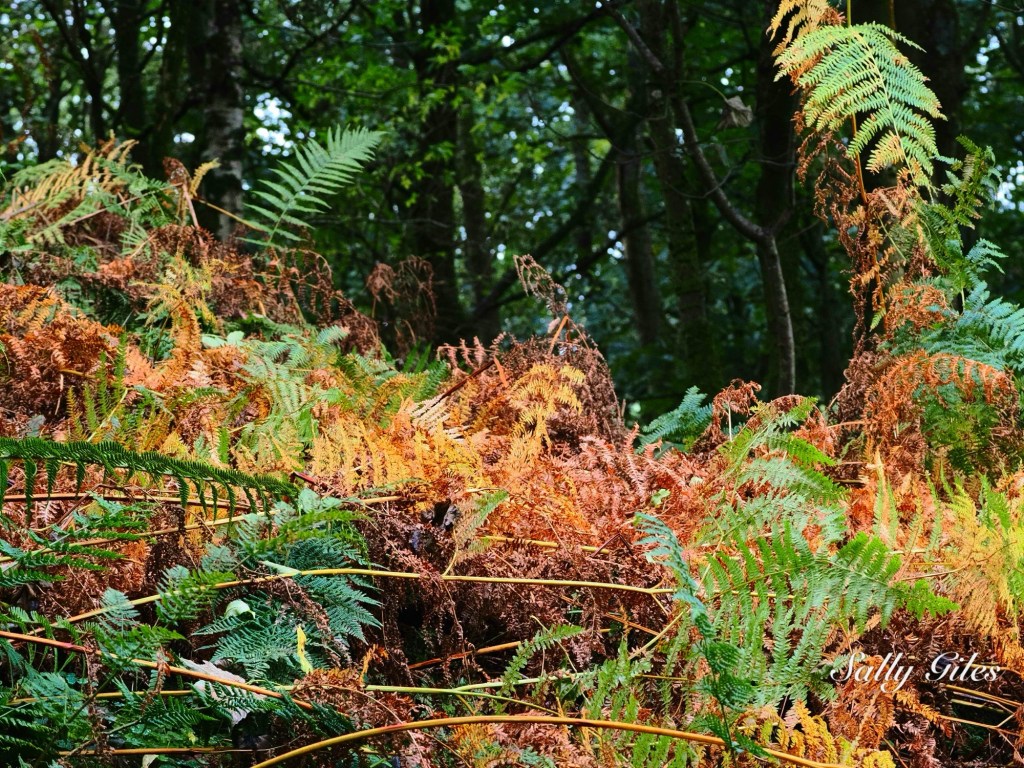
Autumn had reached the trees unevenly.
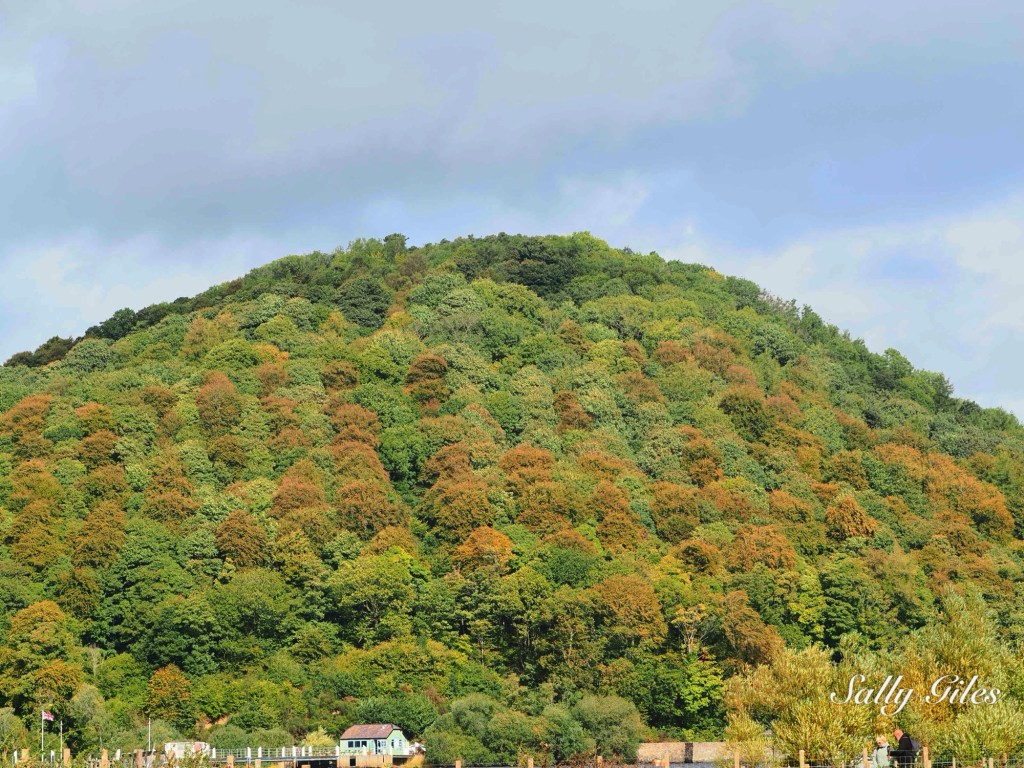
Some remained stubbornly green, while others had begun their transformation into yellows, russets and browns. The mixture made the little wooded hill look almost stripy against the surrounding landscape.
Then we stepped beneath the trees.
And everything went quiet.
Away from the road and the bustle of Pooley Bridge, the woodland seemed extraordinarily still. So still, in fact, that the sound I noticed most was the leaves falling.
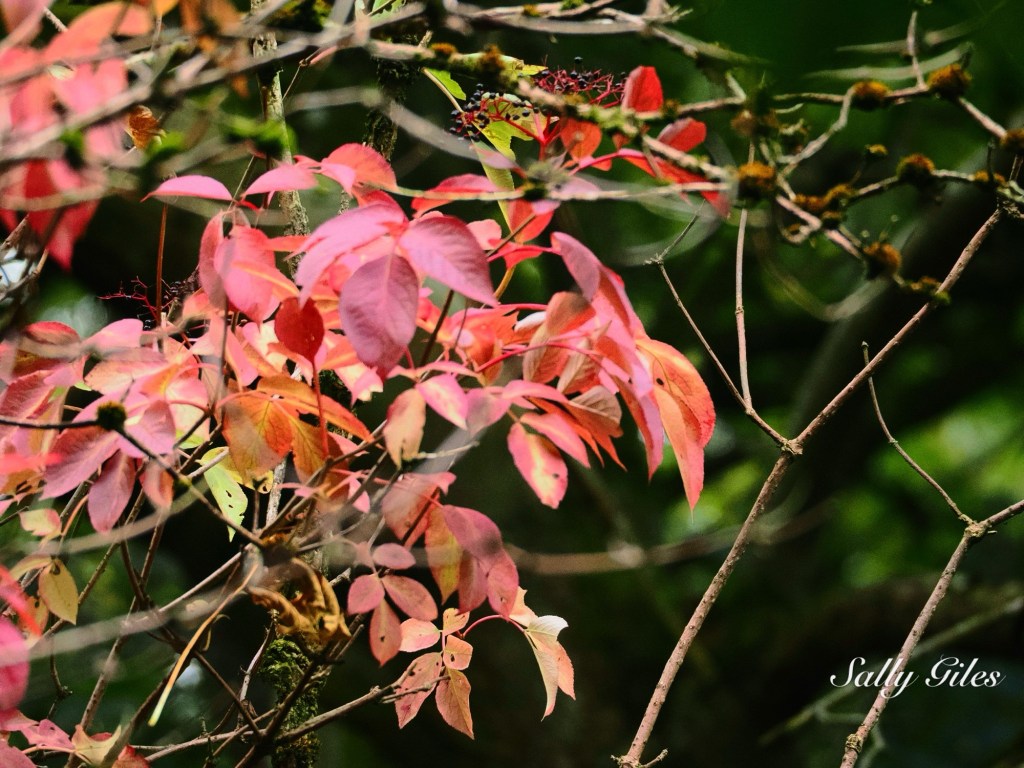
I’d never really considered how loud a falling leaf could be.
They caught branches on their way down, rustled through the canopy and landed amongst the dry litter of the woodland floor with sounds that seemed magnified by the silence.
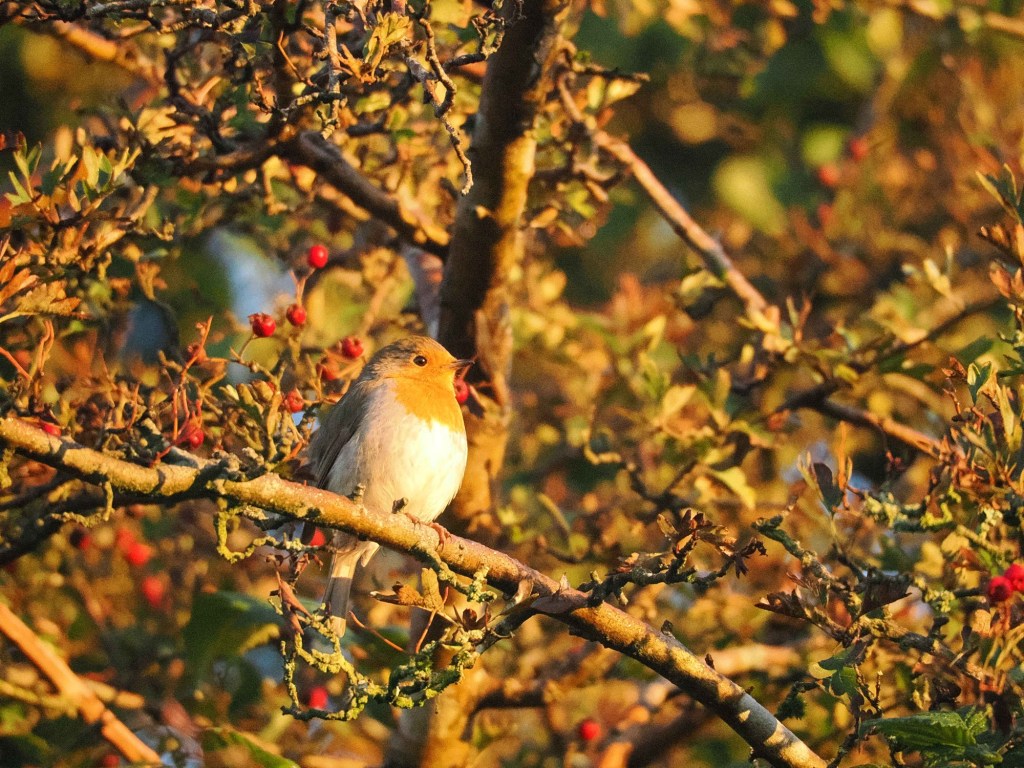
Occasionally a robin sang somewhere amongst the trees.
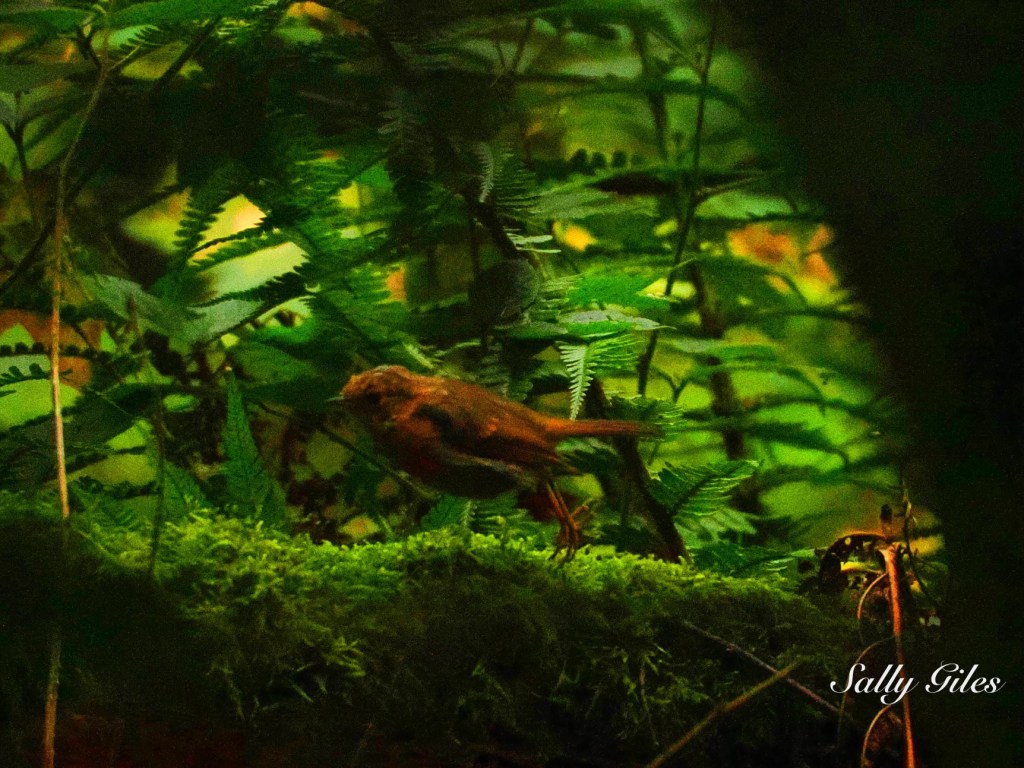
And then came another sound.
Scratch.
Scamper.
Pause.
We were in red-squirrel country.
Cumbria is one of the remaining English strongholds of our native red squirrel. Once widespread across Britain, reds have disappeared from much of England following the introduction and spread of grey squirrels, which compete more successfully for food and can carry squirrelpox — a disease that is usually fatal to reds. Conservation groups across Cumbria now work to protect the populations that remain. (Cumbria Wildlife Trust)
Dunmallard clearly had squirrels.
Seeing them was another matter.
There were tantalising movements amongst the branches and occasional sounds from somewhere just beyond our line of sight, but the inhabitants of the wood were proving considerably better at hide-and-seek than we were.
Eventually we were rewarded.
A flash of ginger moved amongst the trees and, briefly, one beautiful red squirrel appeared.
High above us we also spotted an enormous drey wedged amongst the pine branches — an impressive bundle of twigs and leaves suspended safely beyond the reach of curious dogs and photographers.
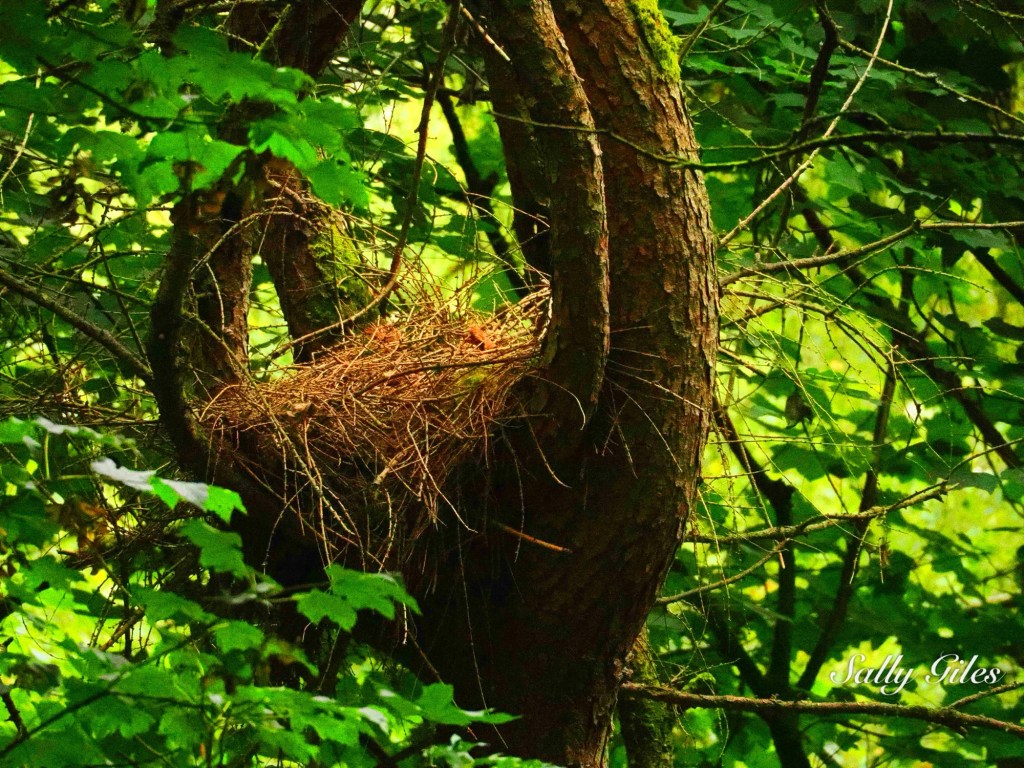
One squirrel was enough.
We descended through the woods and wandered back into Pooley Bridge, where the obvious reward for our exertions was a refreshing drink at the Pooley Bridge Inn.
Then it was back to the van.
The barbecue came out, football occupied the evening and, as darkness settled over the campsite, the Harvest Moon rose above us.
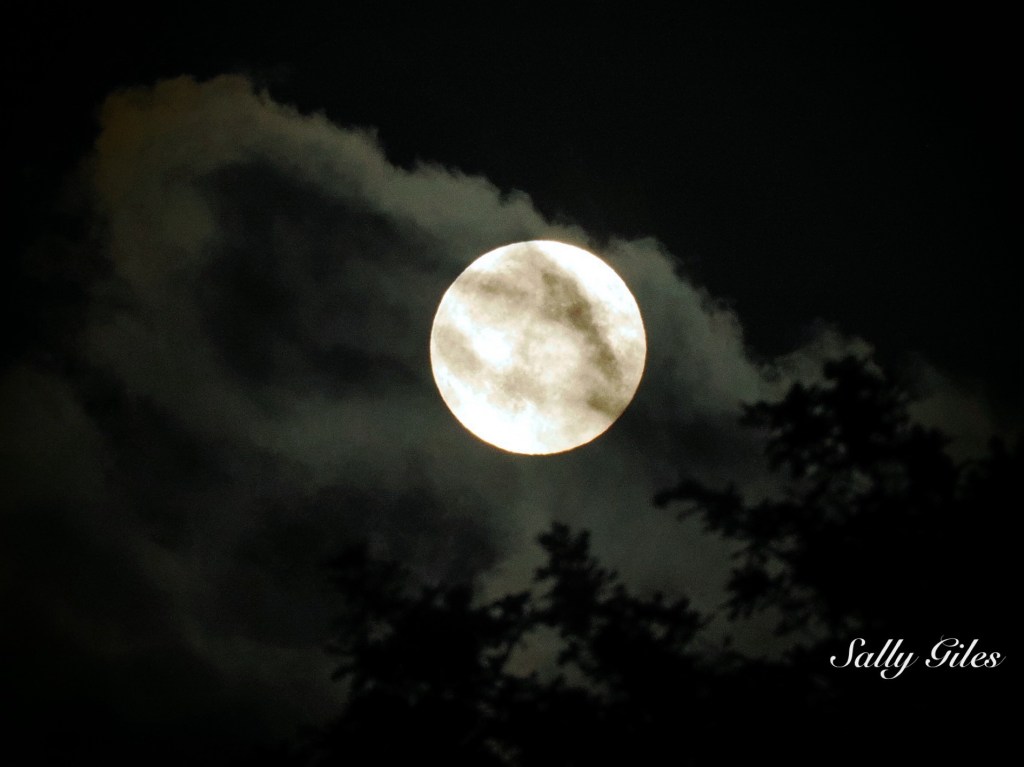
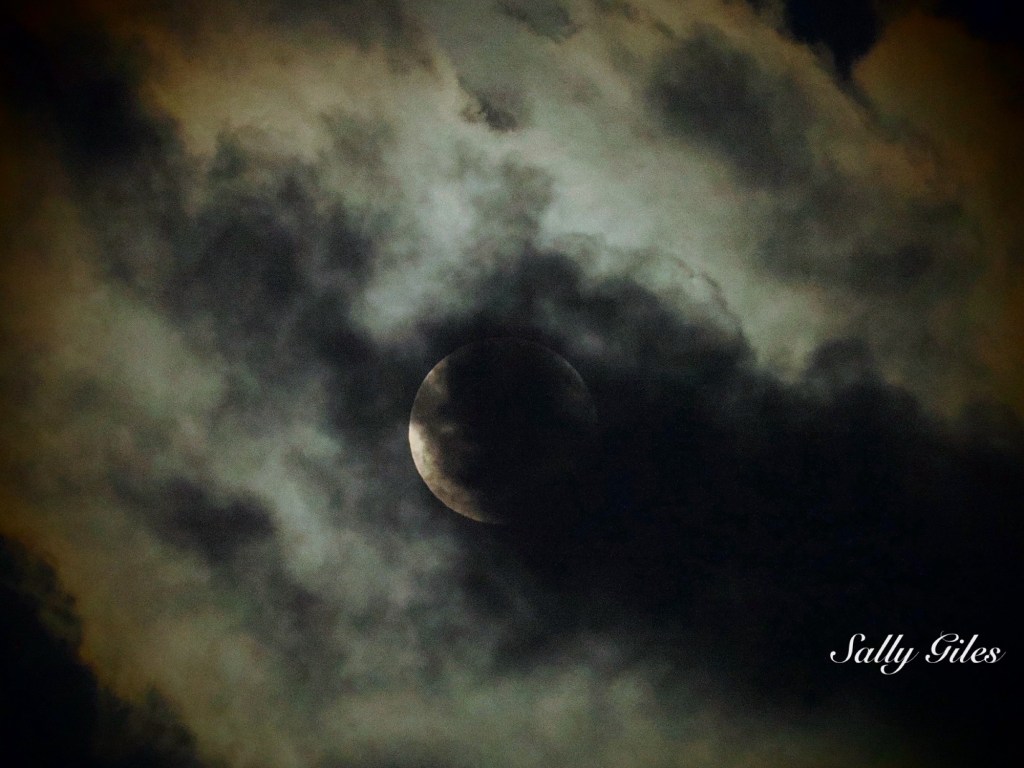
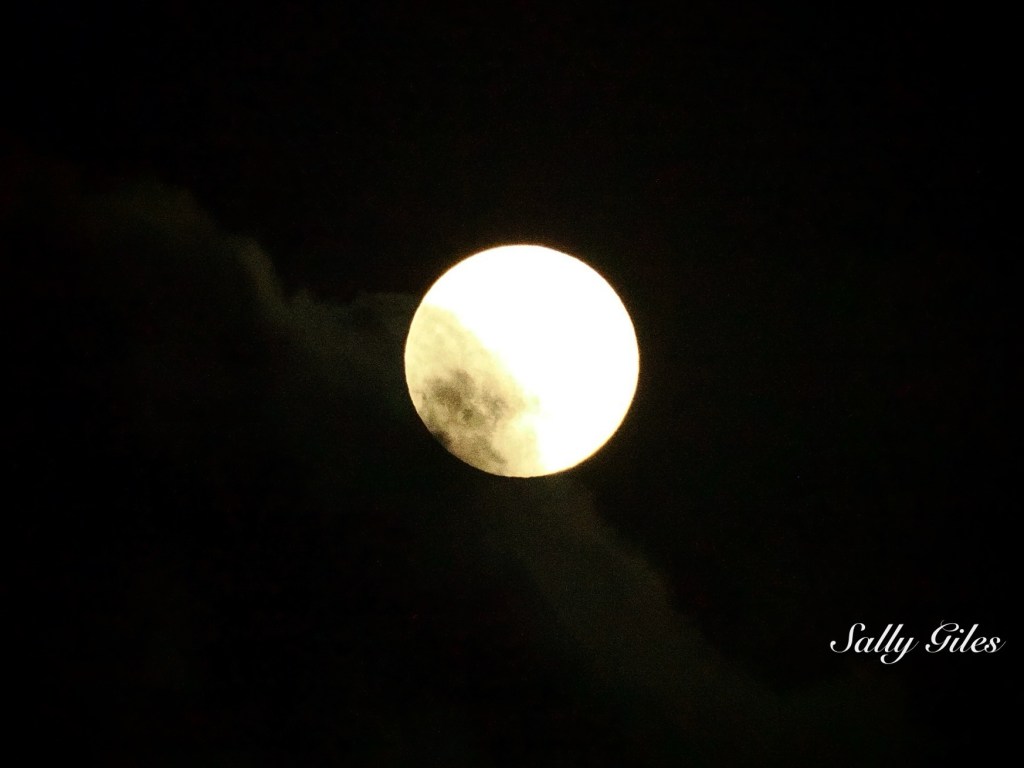
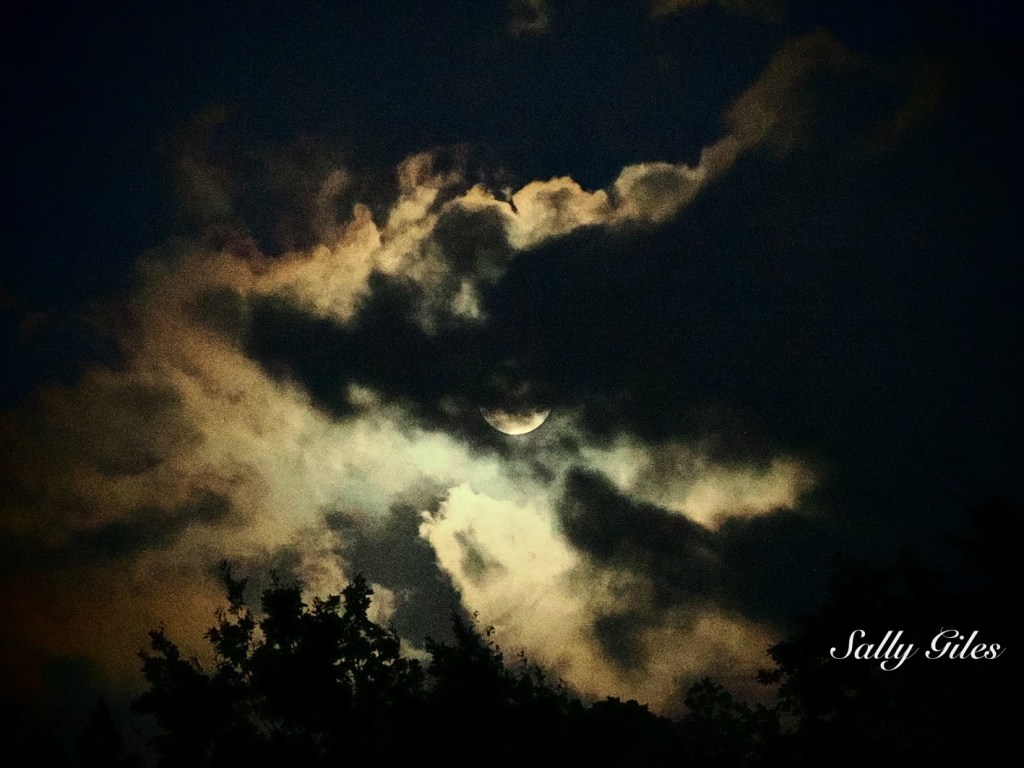
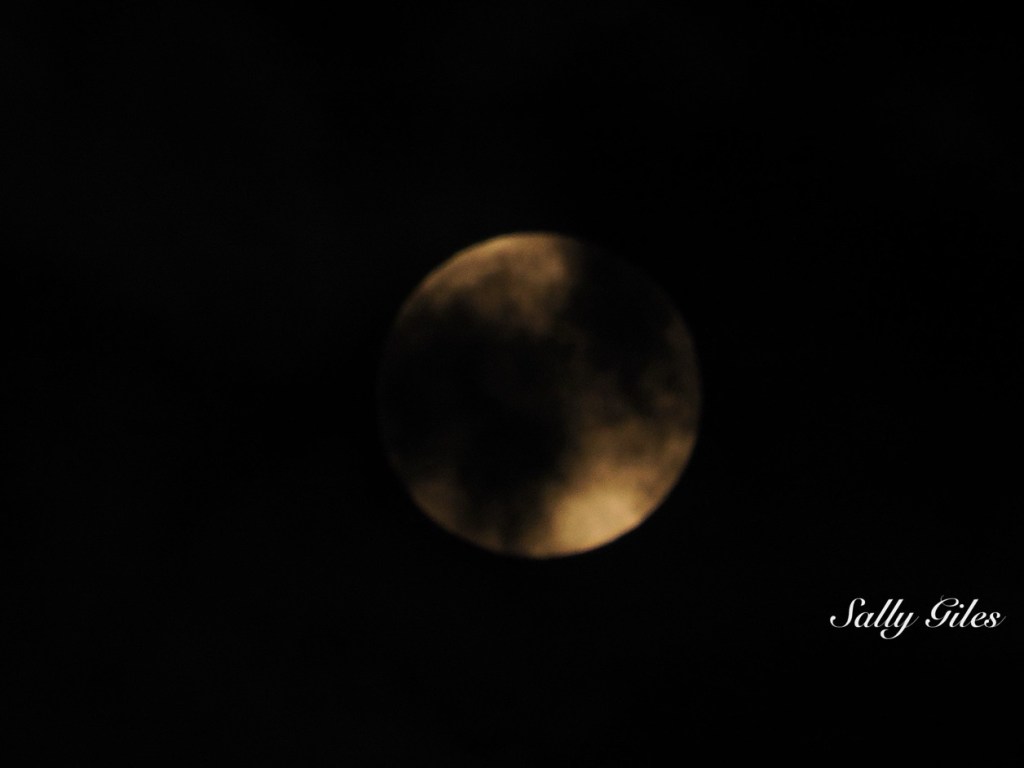
A fitting end to a day that had felt like autumn announcing its arrival.
On Sunday morning we were up early.
As we began packing away our little weekend home, the sky above Ullswater turned the most beautiful rosy pink.
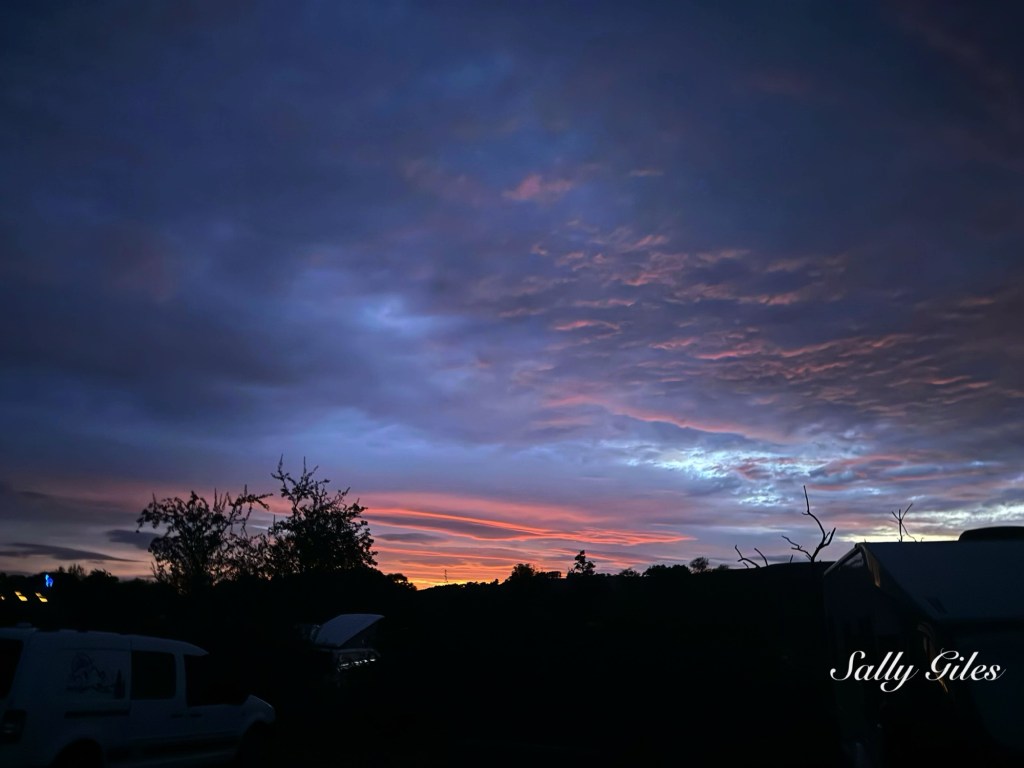
There is always something slightly melancholy about packing the van after a short trip. One moment you’ve created your tiny home — chairs out, food in the fridge, Pepper comfortably installed — and the next everything is folded, packed and stowed away again.
But standing there beneath a pink September sky, it was impossible to feel too disappointed.
Summer hasn’t entirely disappeared yet. There will probably still be warm days ahead, just as there have been mornings recently when autumn has arrived only to retreat again by lunchtime.
But in the silence of Dunmallard Wood, with leaves falling through the trees and that single flash of red amongst the branches, it felt as though the season had really turned.
And I think I’m ready for it.




Leave a comment