October arrived, and with it the opportunity for another adventure in the van.
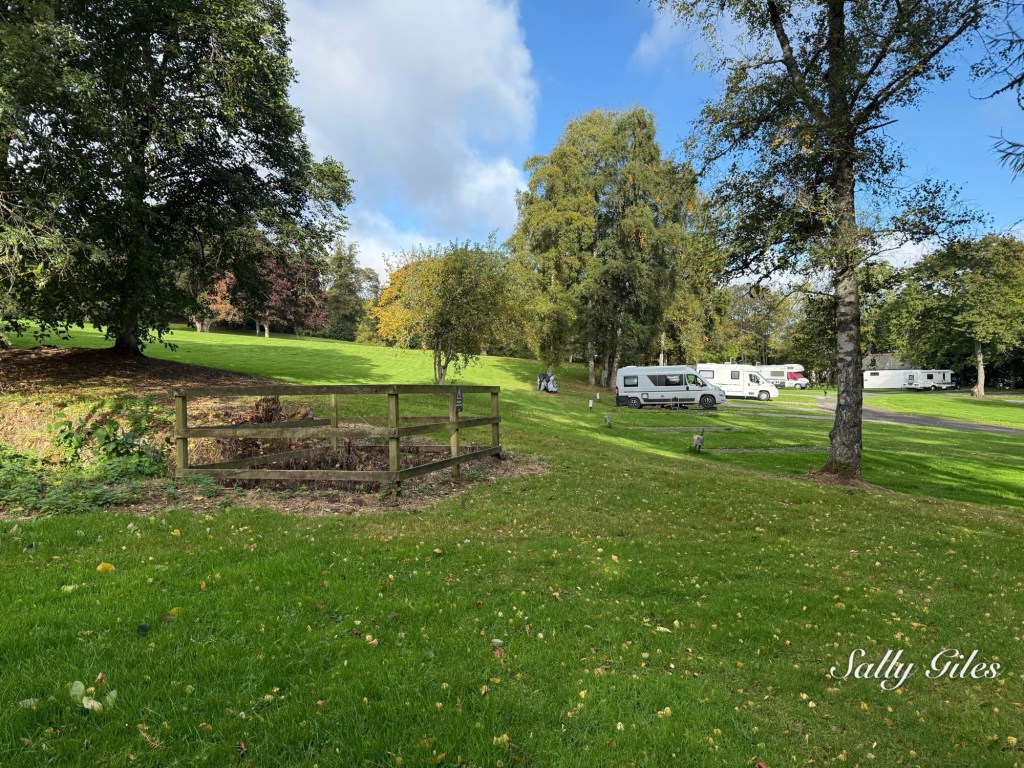
This time we were heading north, following a route that would take us from the wild shores of the Solway Firth to the East Lothian coast, before turning inland towards the rolling hills and autumn woodlands of the Scottish Borders.
Three very different landscapes, plenty of walking, a little cycling and, naturally, a great deal of thought given to what we might eat along the way.
Bowness-on-Solway – At the Edge of an Empire
On Saturday morning we packed up and headed towards Bowness-on-Solway, a little village perched on the southern shore of the Solway Firth, where England looks across the water towards Scotland.
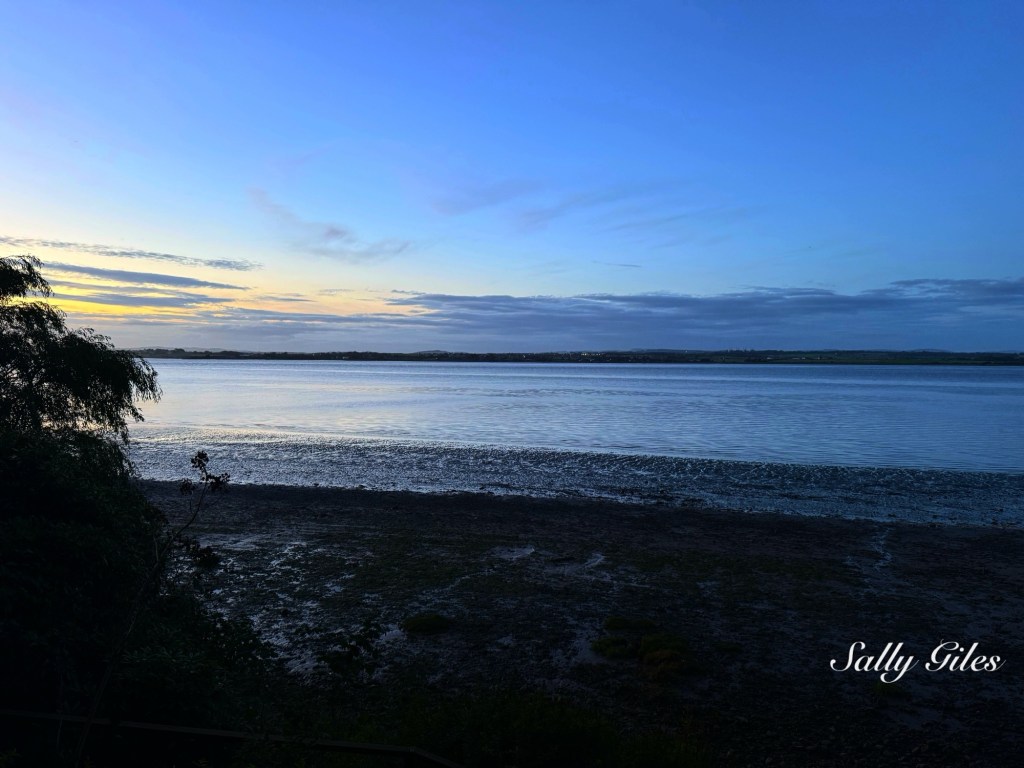
It is a wonderfully atmospheric place. The great expanse of tidal mudflats, salt marshes and shifting channels seems to stretch endlessly beneath enormous skies, with the distant Scottish hills providing a soft backdrop.
It is also a place steeped in history.
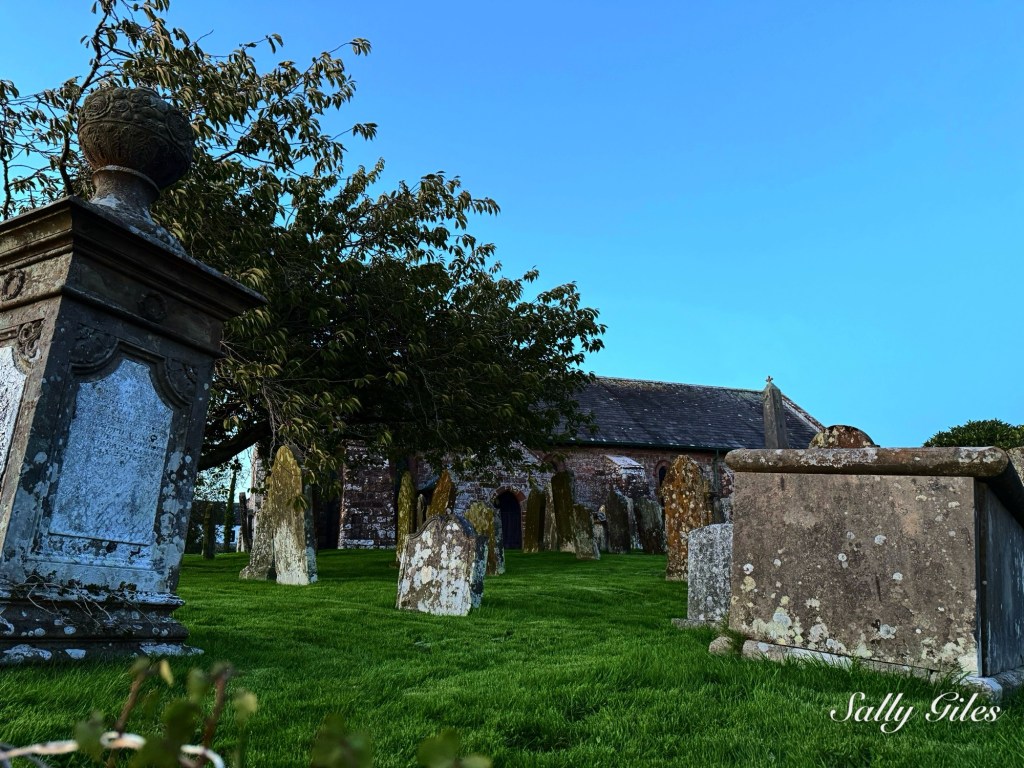
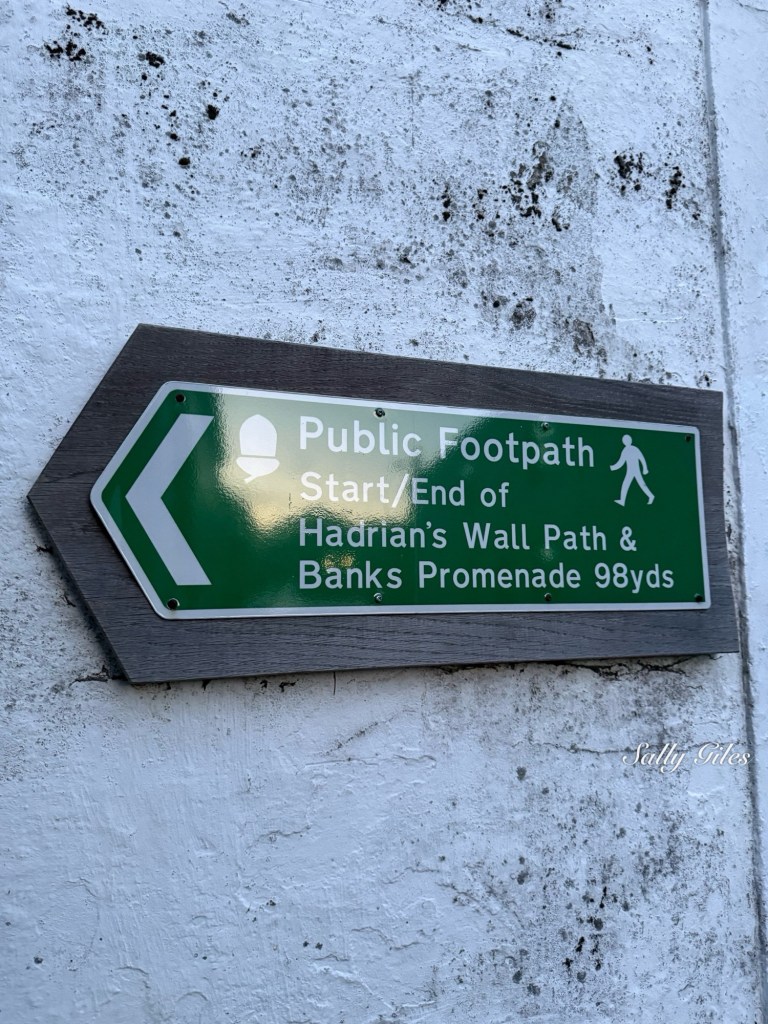
Bowness marks the western end of Hadrian’s Wall, where the Romans established the fort of Maia to guard this important frontier of their empire. Although little of the original wall survives above ground here, the village still follows parts of the old Roman fort’s layout. It is rather extraordinary to think that nearly two thousand years ago, Roman soldiers stood watch over the same restless waters that attract today’s walkers and birdwatchers.
We were considerably less concerned with defending the empire.
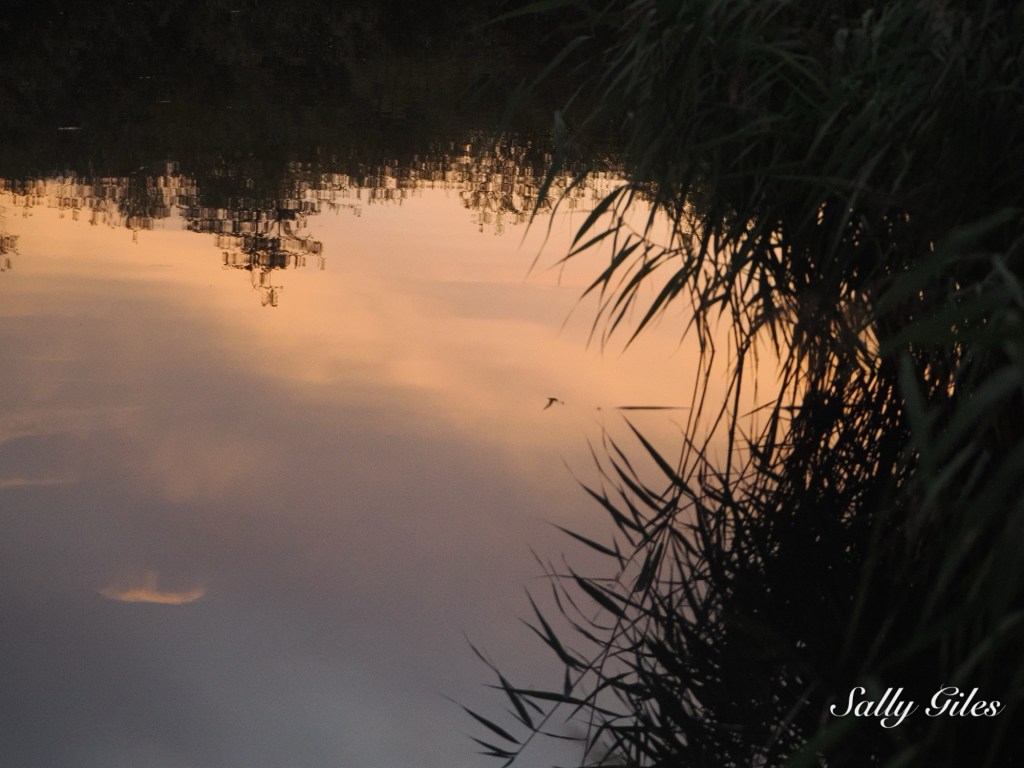
After settling into our campsite, we wandered down to the shore in the beautiful evening light. Across the water came the haunting calls of wading birds, their voices carrying through the still air. Some were hidden in the distance, others moving across the exposed mud, but together they created that wonderful soundtrack peculiar to estuaries.
Dinner was sourced from the local pub and enjoyed back at the van. An excellent start to the holiday.
Sunday was devoted to exploring the estuary.
We had originally intended to follow part of the old railway line, but discovered that the route was closed off and wasn’t a designated public footpath. A little disappointing, particularly given the area’s fascinating railway history. The Solway Junction Railway once crossed the firth on an enormous iron viaduct, connecting the Cumbrian coast with Scotland. Opened in the nineteenth century, it eventually fell victim to declining traffic and the challenges of maintaining a railway across such an exposed estuary.
With that plan abandoned, we simply followed the available paths around the shore instead.
The weather couldn’t quite make up its mind. Sunshine gave way to cloud, the breeze freshened and occasional showers passed through. Out on the marshes, egrets picked their way through the shallows, their white plumage standing out beautifully against the muted colours of the estuary.
By evening the rain had become considerably more determined.
Fortunately, we were prepared.
Pizza, a good film and the wonderful sound of rain drumming on the roof of the van. There is something deliciously comforting about being warm and cosy inside while the weather does its worst outside.
Sometimes that’s half the pleasure of camping.
Dunbar – Wind, Waves and Wading Birds
On Monday we packed up and headed east, crossing into Scotland and travelling towards Dunbar on the East Lothian coast.
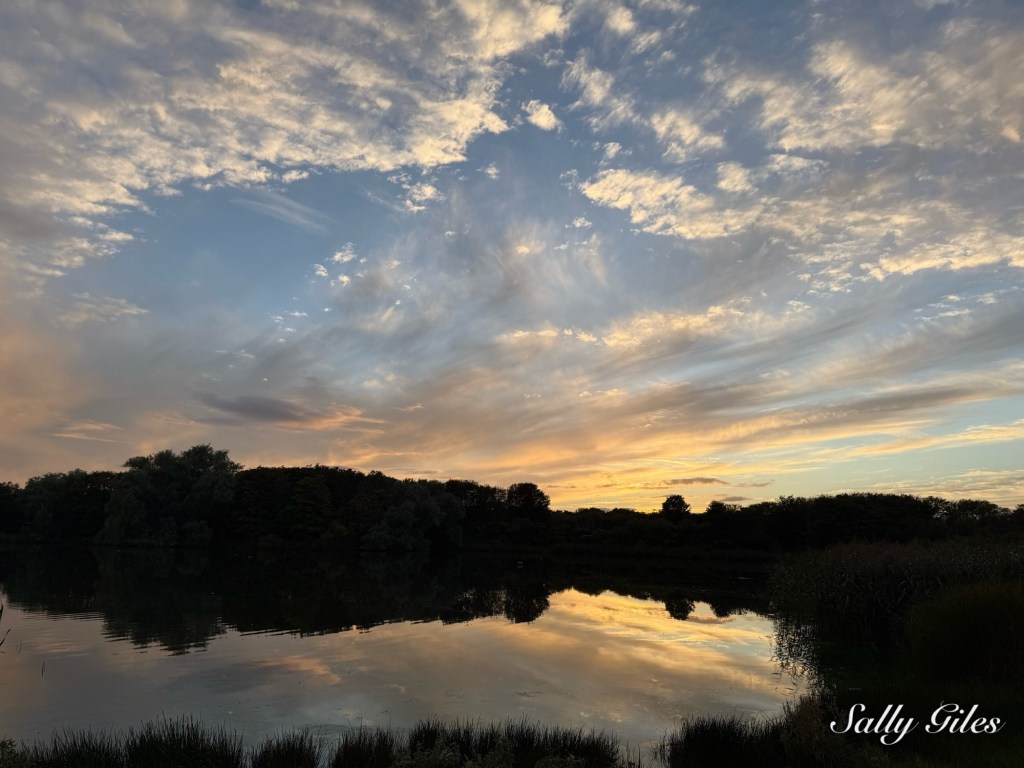
It was a lovely change of scenery, leaving behind the broad tidal flats of the Solway and travelling through the rolling countryside of southern Scotland towards the North Sea.
Dunbar is a historic fishing town overlooking the Firth of Forth, with a dramatic rocky coastline, old harbours and a long history of maritime trade. Once an important medieval stronghold, it has witnessed centuries of conflict, fishing and commerce, and today its old town retains a wonderful mixture of narrow streets, stone buildings and working harbour life.
After settling in, we headed out for an evening walk along the coastal path.
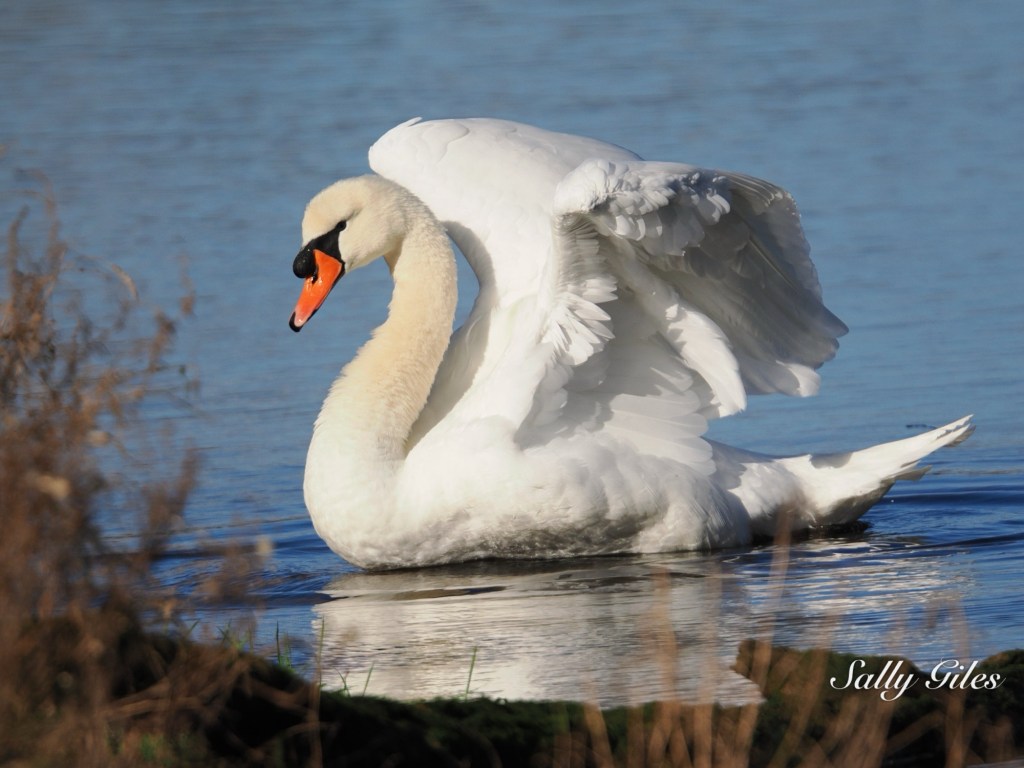
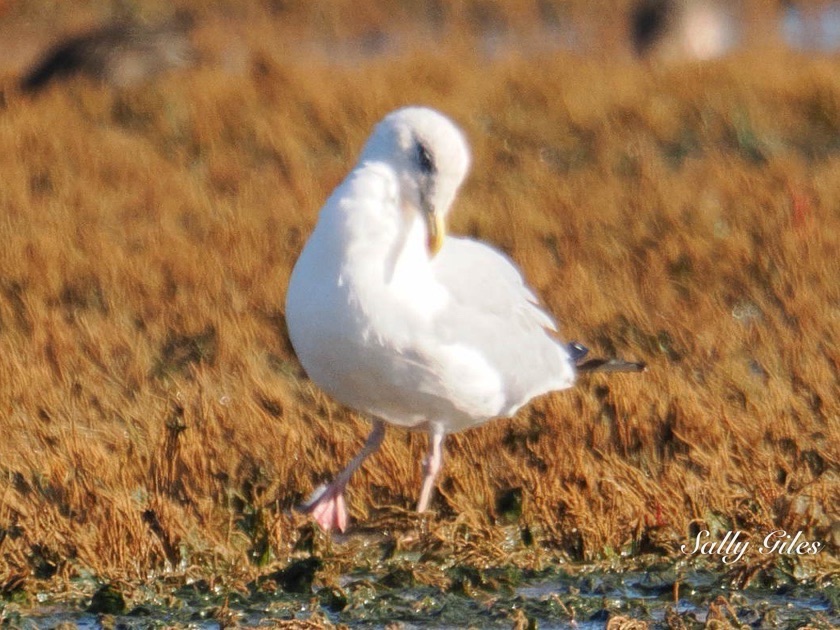
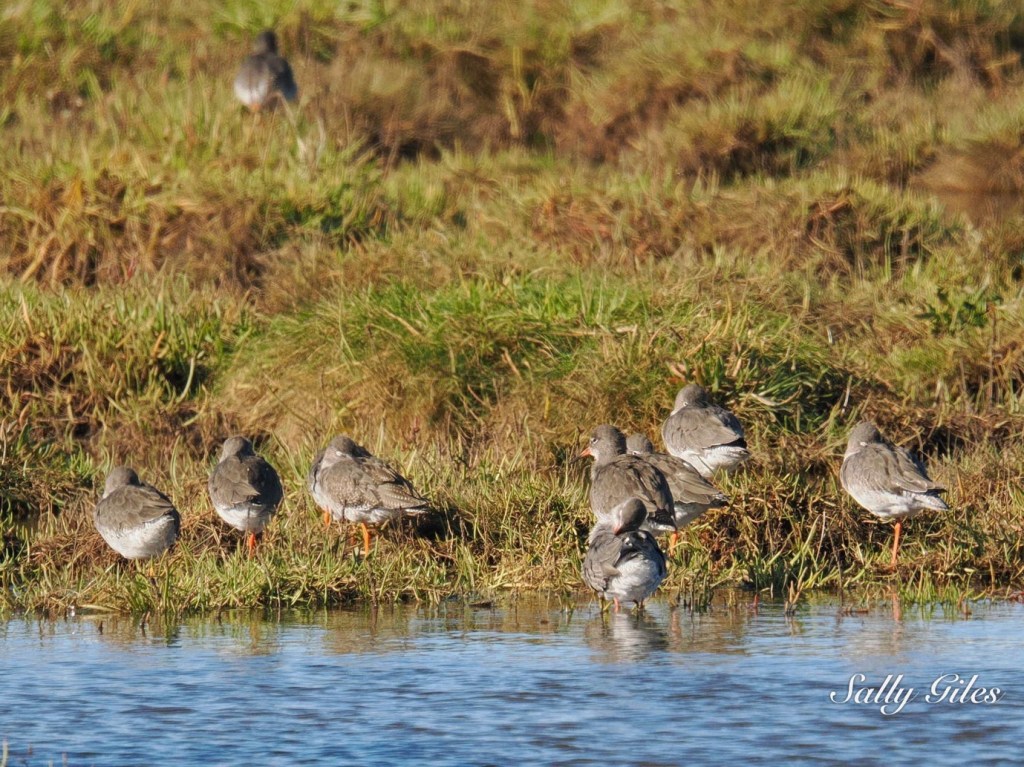
The birdlife was fabulous.
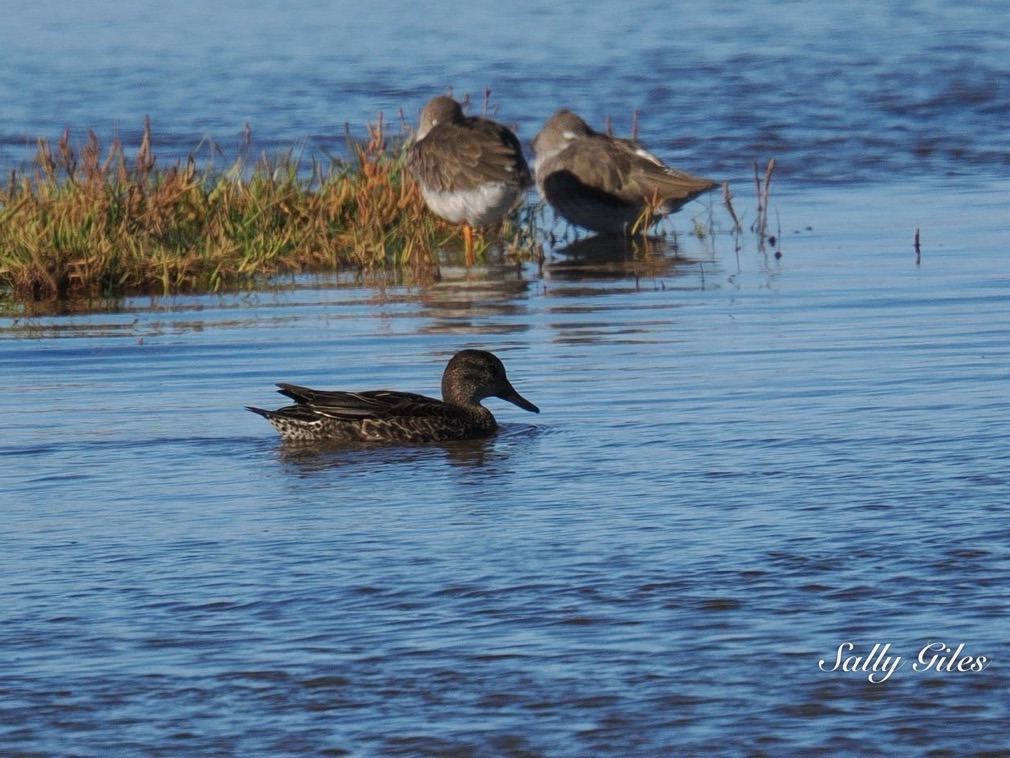
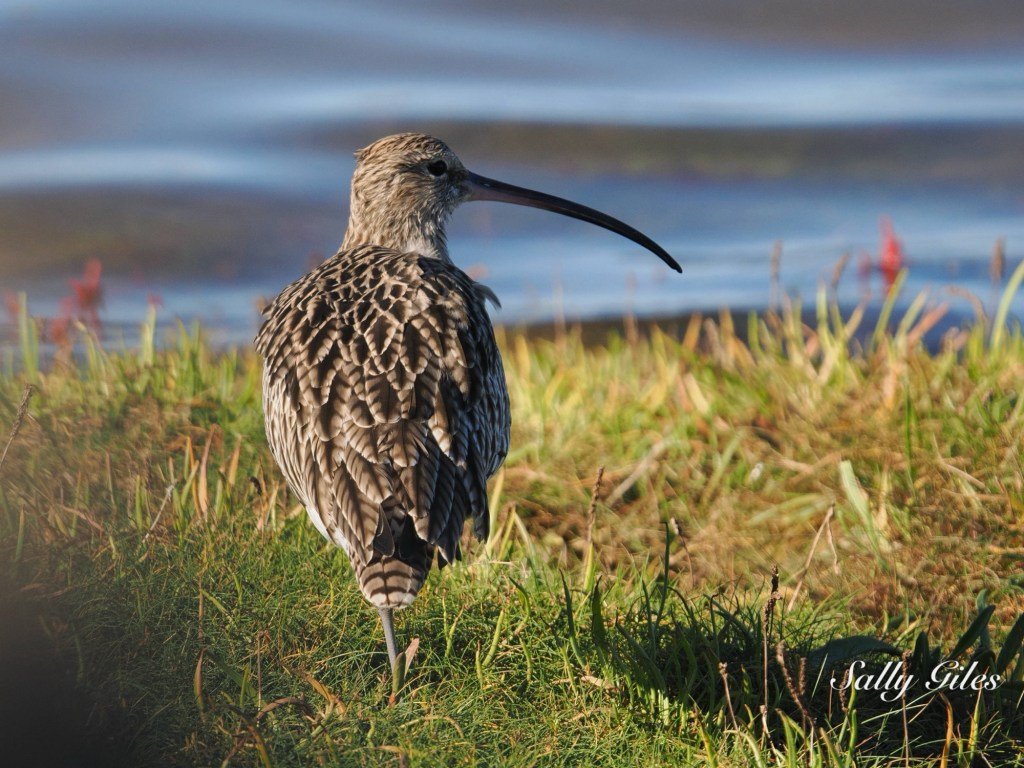
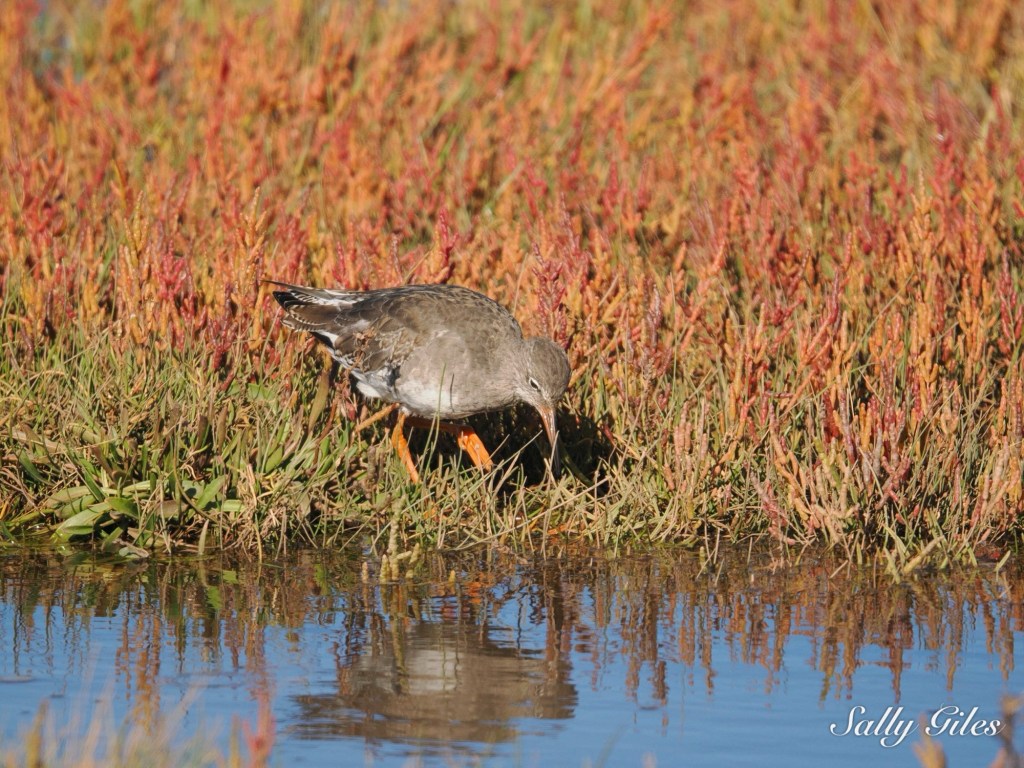
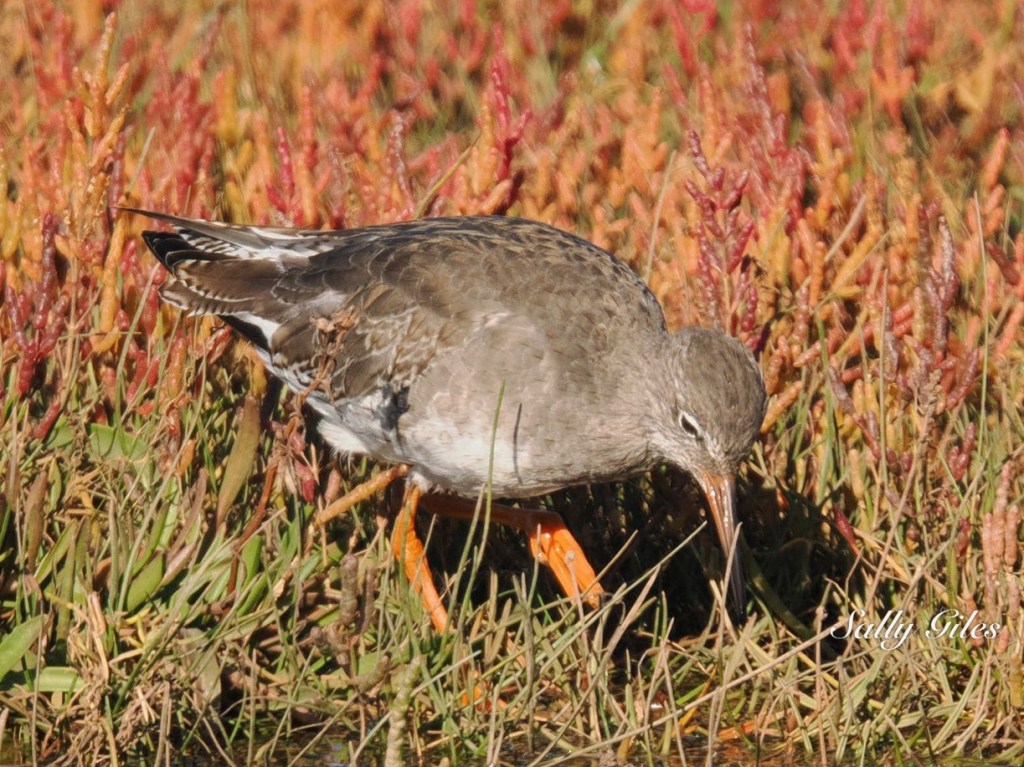
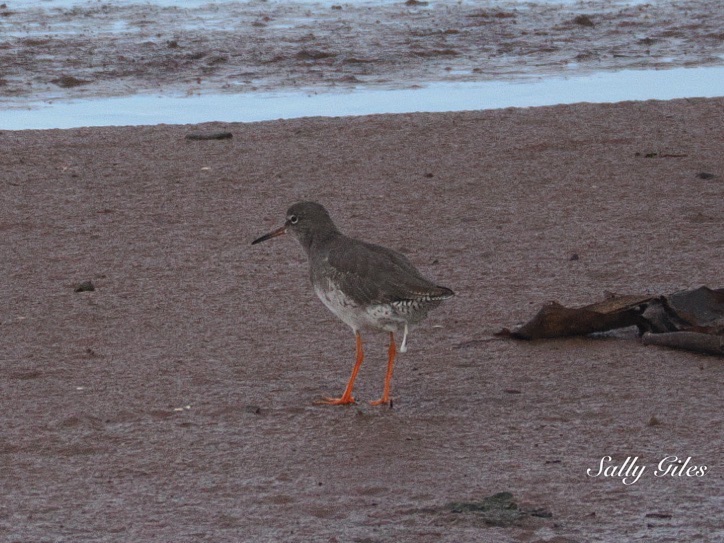
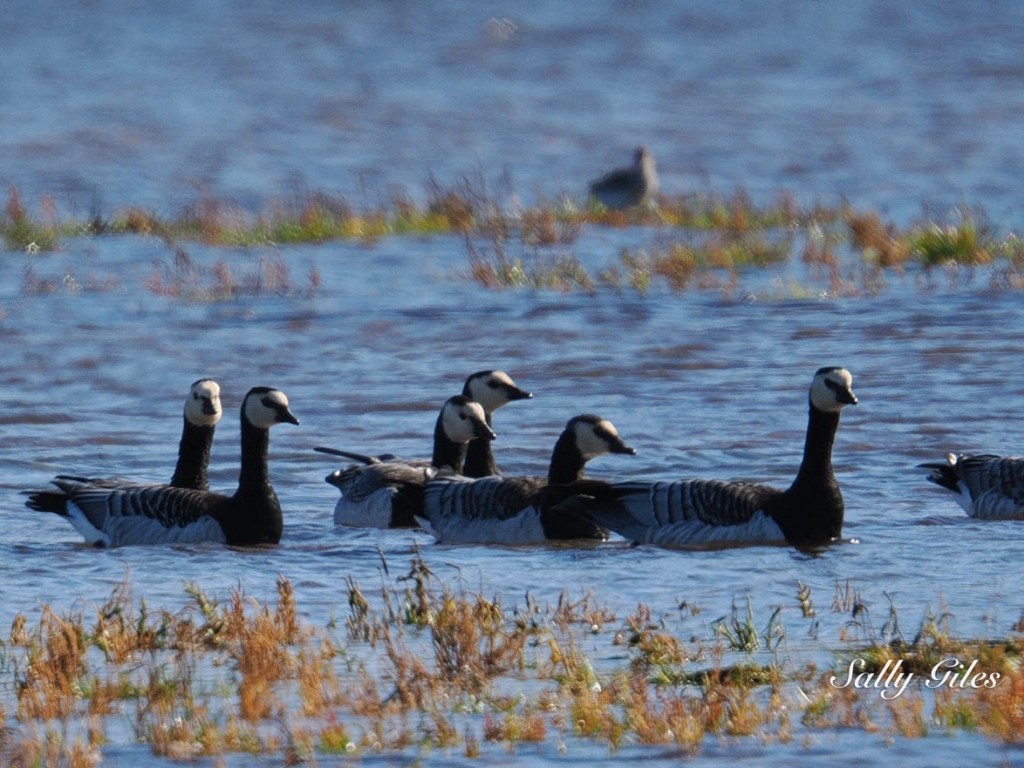
Curlews called from the shore, sandpipers hurried along the water’s edge and redshanks picked their way amongst the rocks. Egrets stood in the shallows while gulls wheeled overhead, occasionally announcing their presence rather loudly.
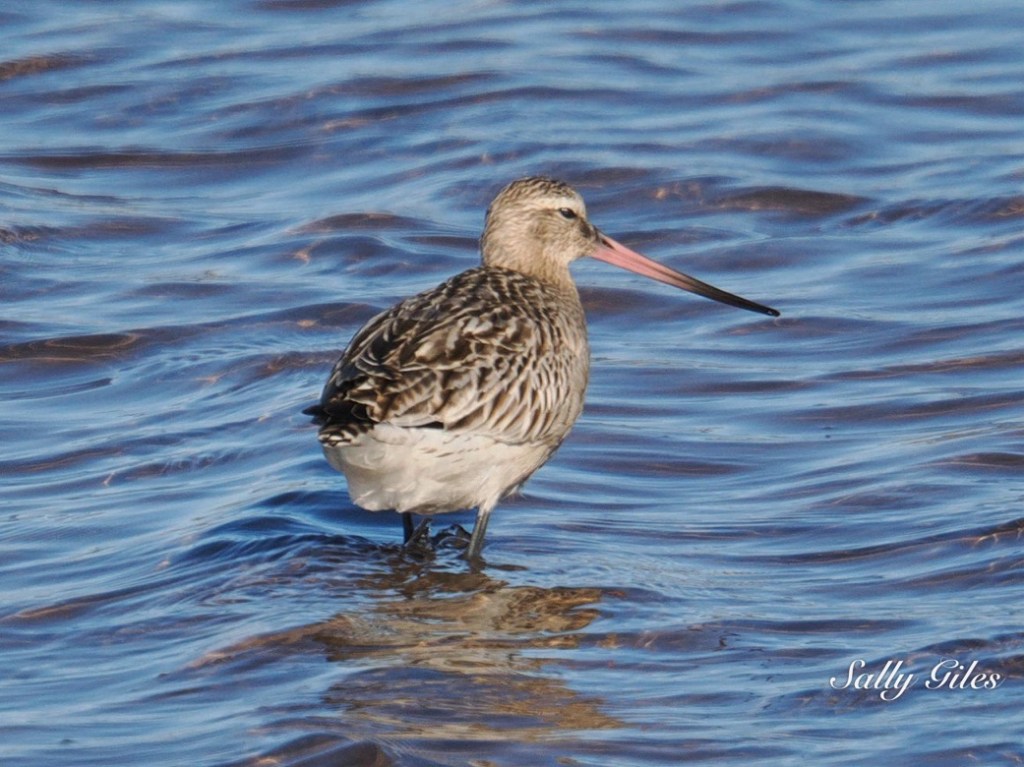
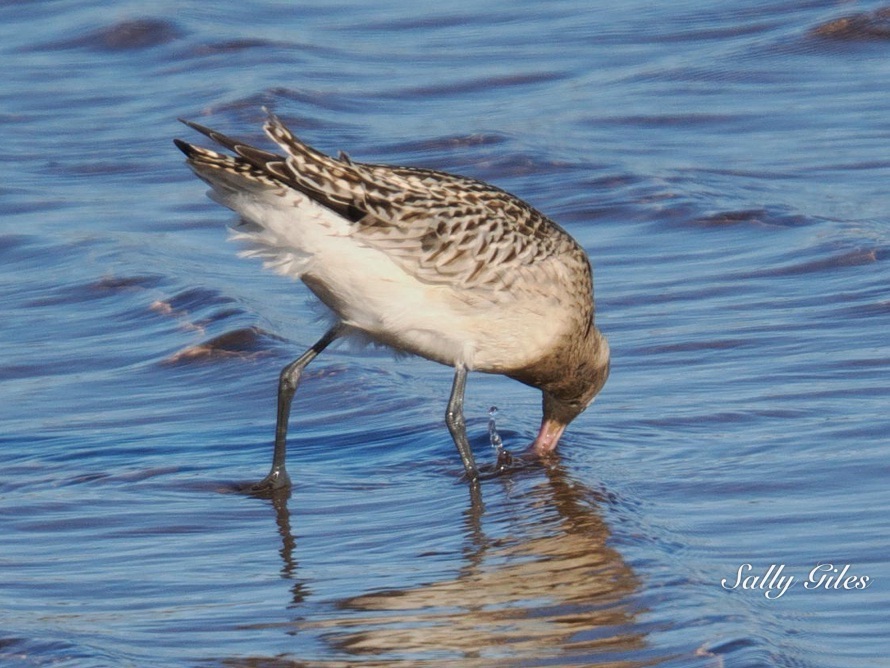
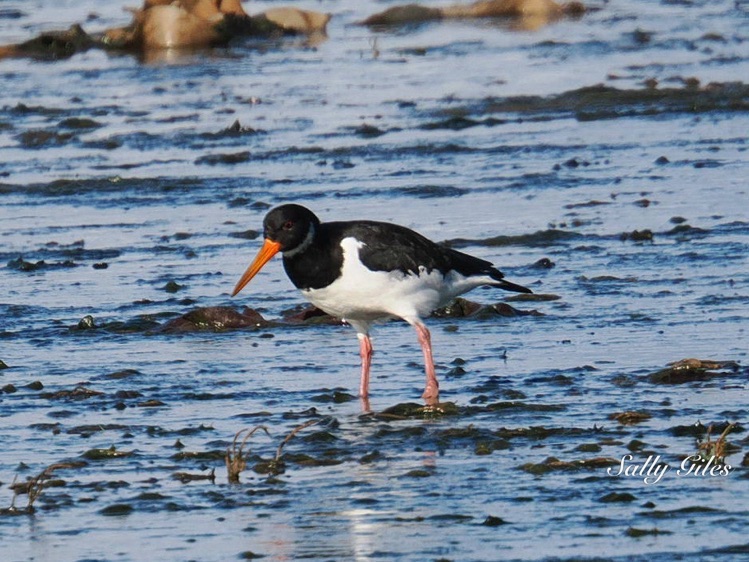
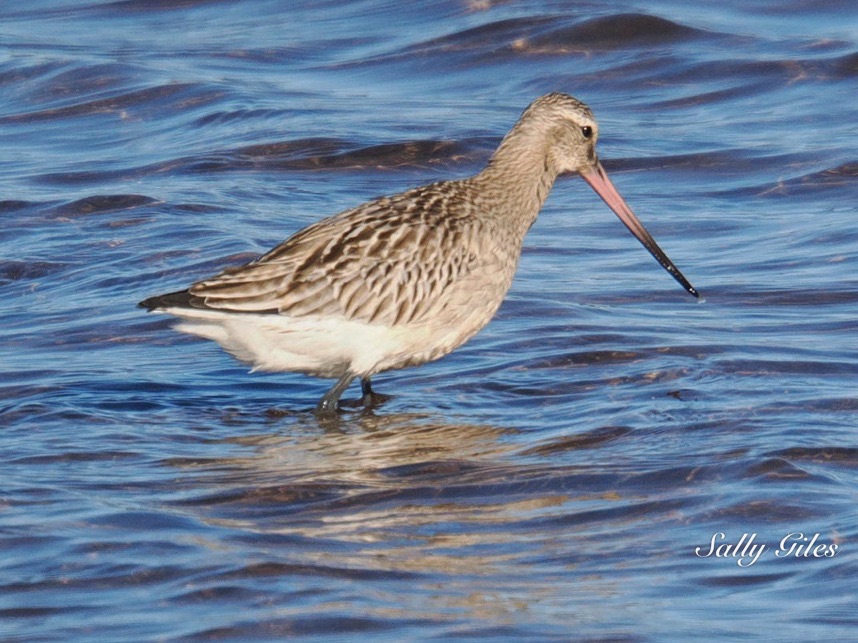
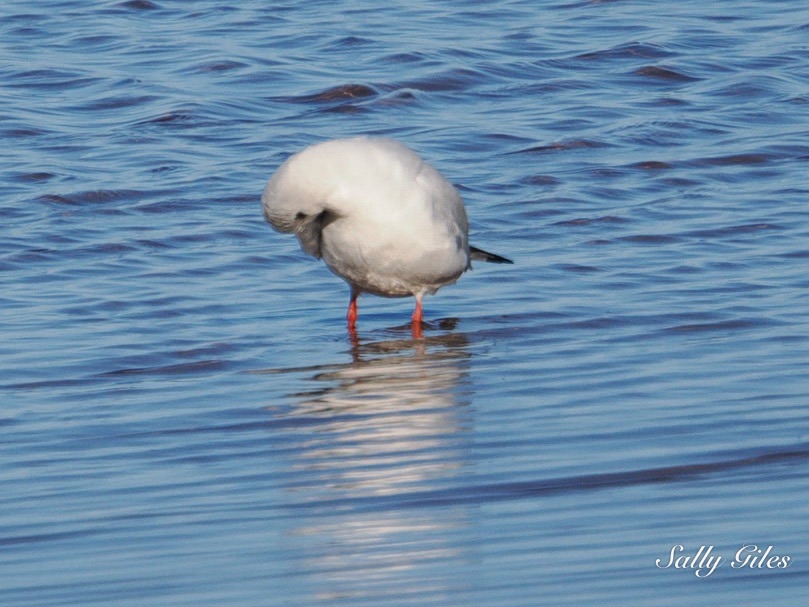
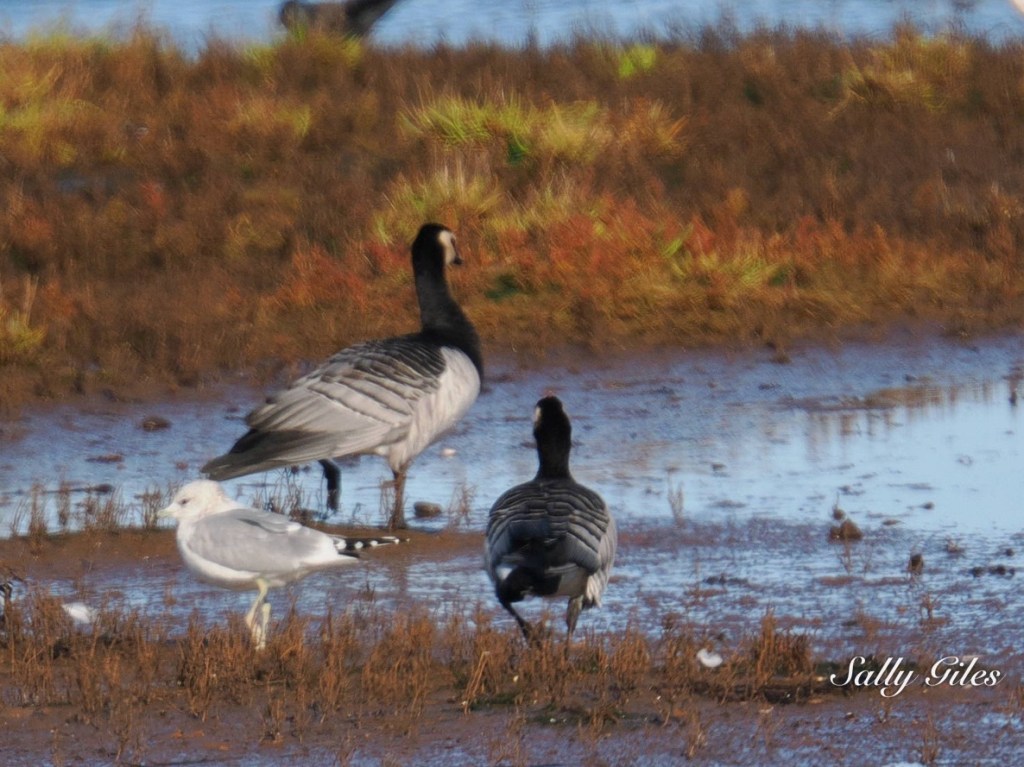
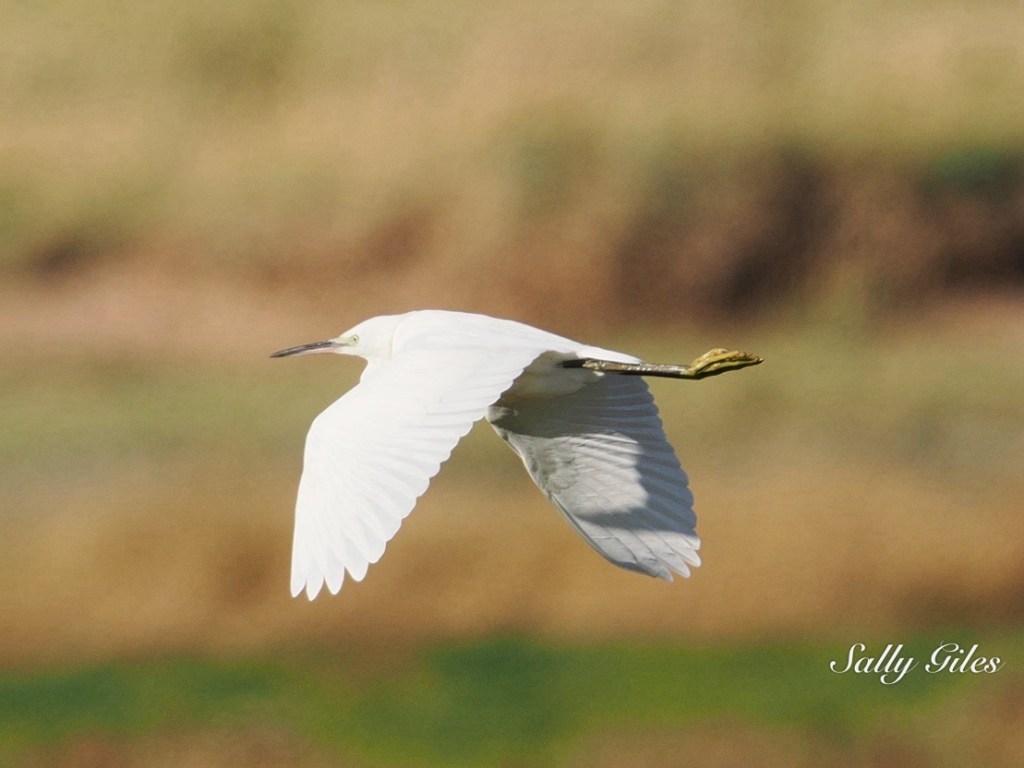
I was very much in my element.
Tuesday brought a rather more ambitious expedition.
We were going foraging.
For seafood.
Not, I should clarify, by wading into the North Sea ourselves, but by walking along the coast in search of somewhere selling something delicious for dinner.
Unfortunately, the weather had other ideas.
The wind was ferocious.
As we made our way along the coastal path, sand whipped across the beach and into our faces, providing what I can only describe as a rather aggressive exfoliating treatment.
By the time we reached town, we were thoroughly windswept and increasingly hungry.
And the seafood shack was closed.
Naturally.
We consoled ourselves with a wander around Dunbar’s old harbour and town, which turned out to be a delight in its own right.
The harbour has been central to Dunbar’s fortunes for centuries. Once an important herring and whaling port, it remains a working harbour today, with fishing boats bringing in shellfish from the surrounding waters. The old stone harbour walls, former warehouses and the remains of Dunbar Castle speak of a time when this little town played a much larger role in Scotland’s history.
We eventually returned to the van empty-handed.
Well, empty-handed in terms of seafood.
Fortunately, Dunbar also does rather fabulous fish and chips, which proved an entirely satisfactory alternative.
Wednesday was our day for a longer coastal walk, following part of the John Muir Way.
John Muir was born in Dunbar in 1838 and went on to become one of the most influential figures in the history of nature conservation. After emigrating to America as a child, he developed a lifelong passion for wilderness, eventually becoming a leading advocate for the protection of places such as Yosemite.
His writing and campaigning helped shape the modern conservation movement, and his legacy is celebrated here through the John Muir Way, a long-distance route stretching across central Scotland from Helensburgh to his birthplace in Dunbar.
There is something rather fitting about walking a coastal path named after a man who believed so passionately in the importance of wild places.
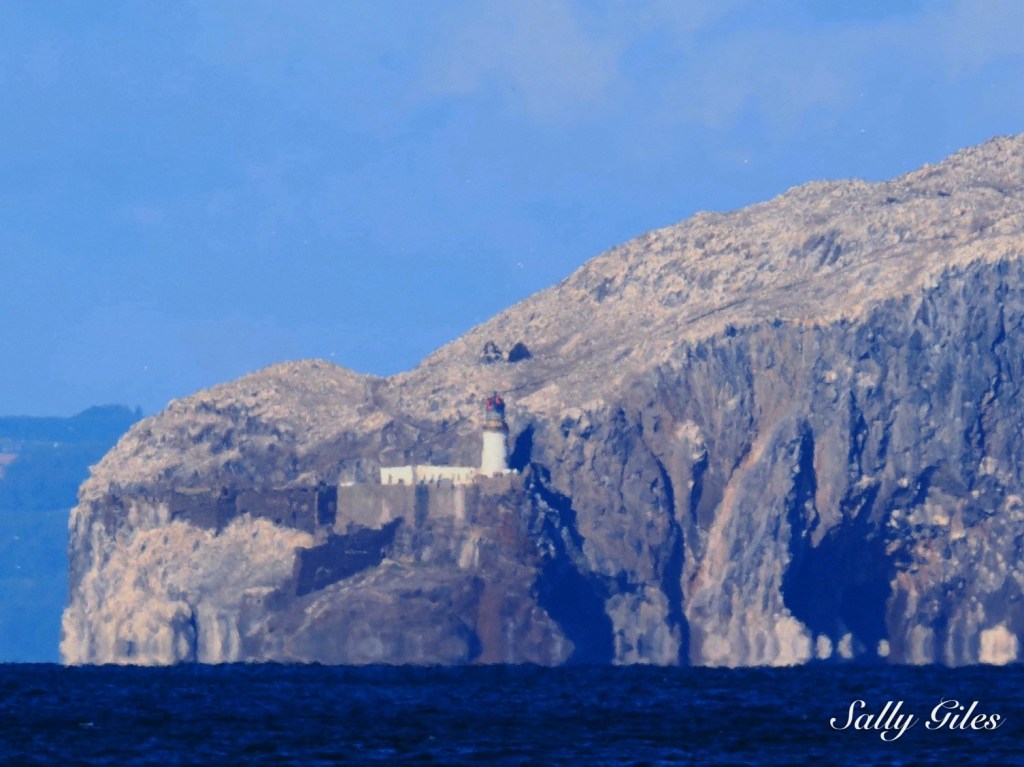
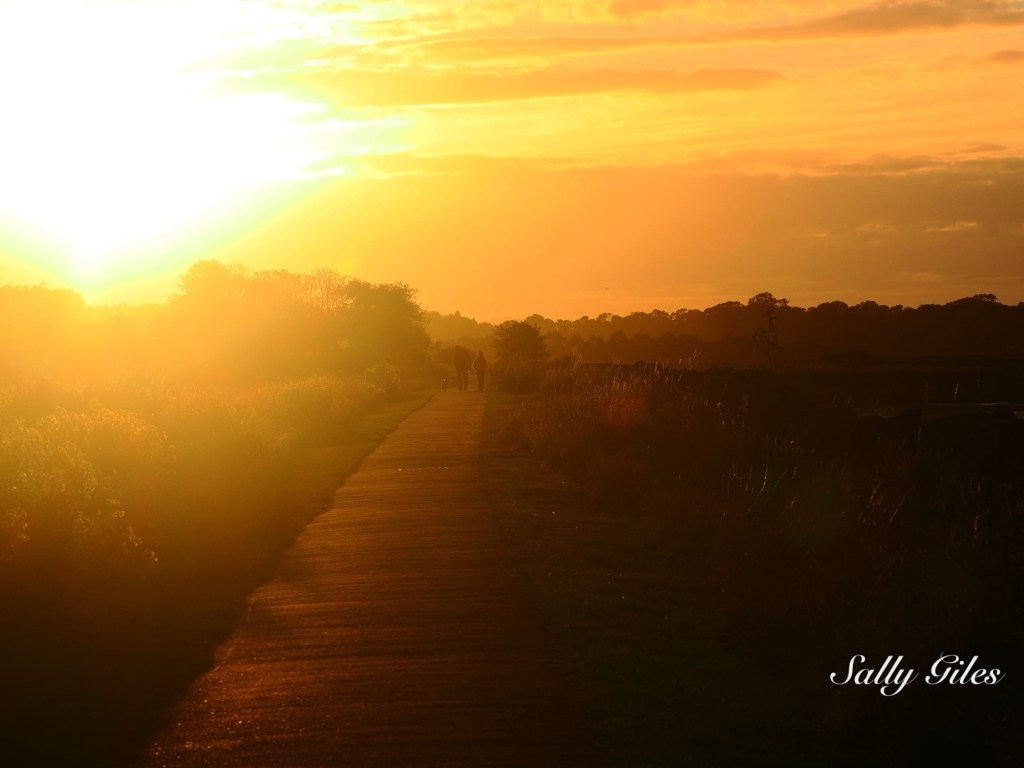
The coastline was beautiful, with rocky shores, stretches of sand and endless views across the water.
And, of course, birds.
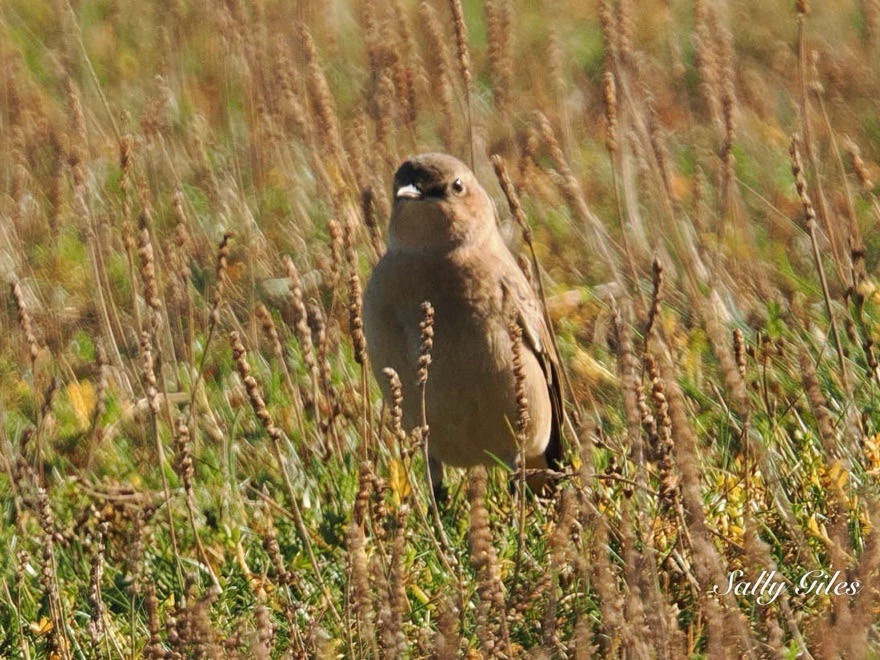
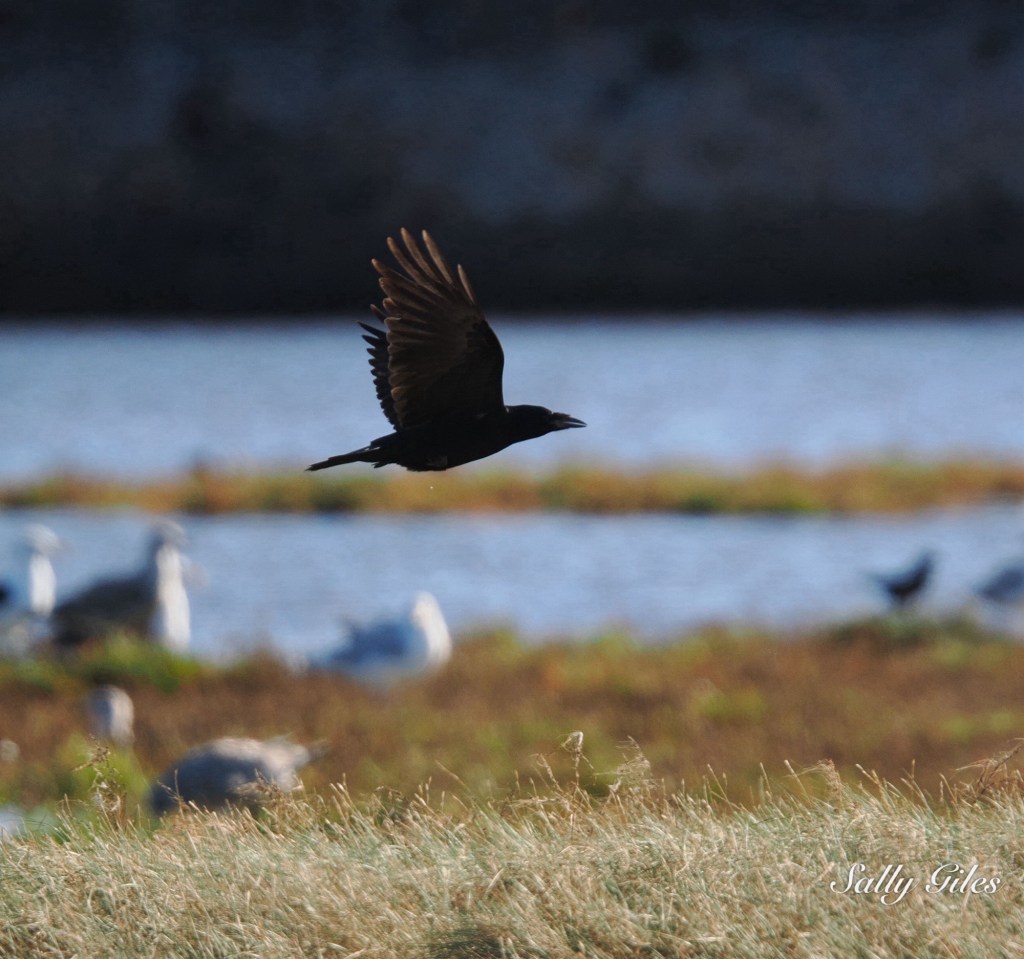
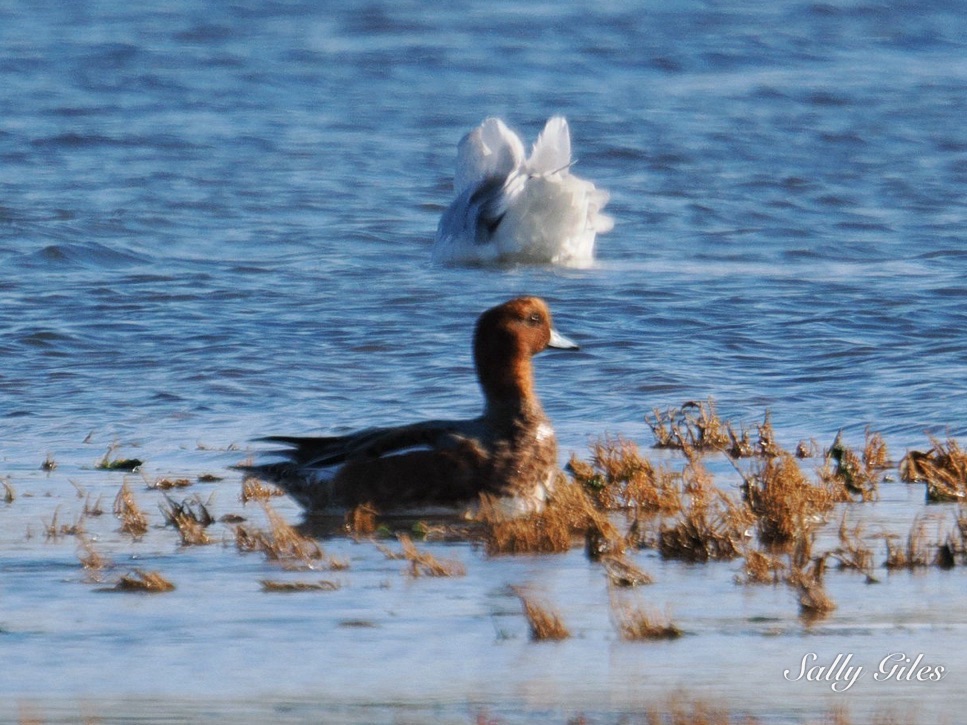
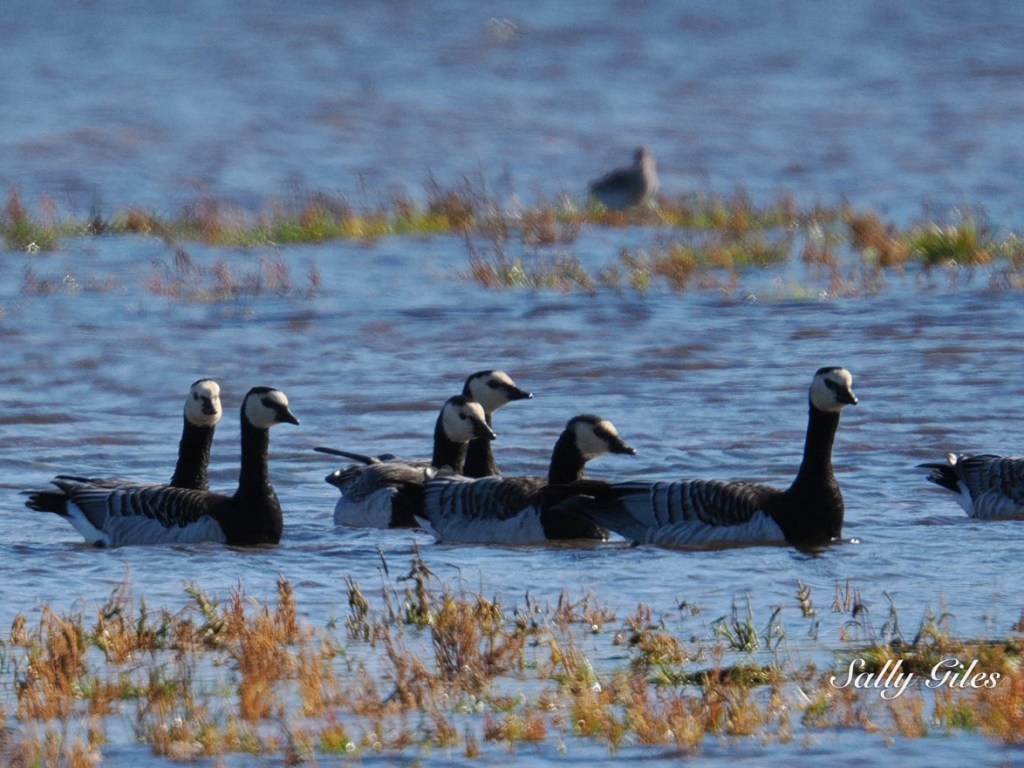
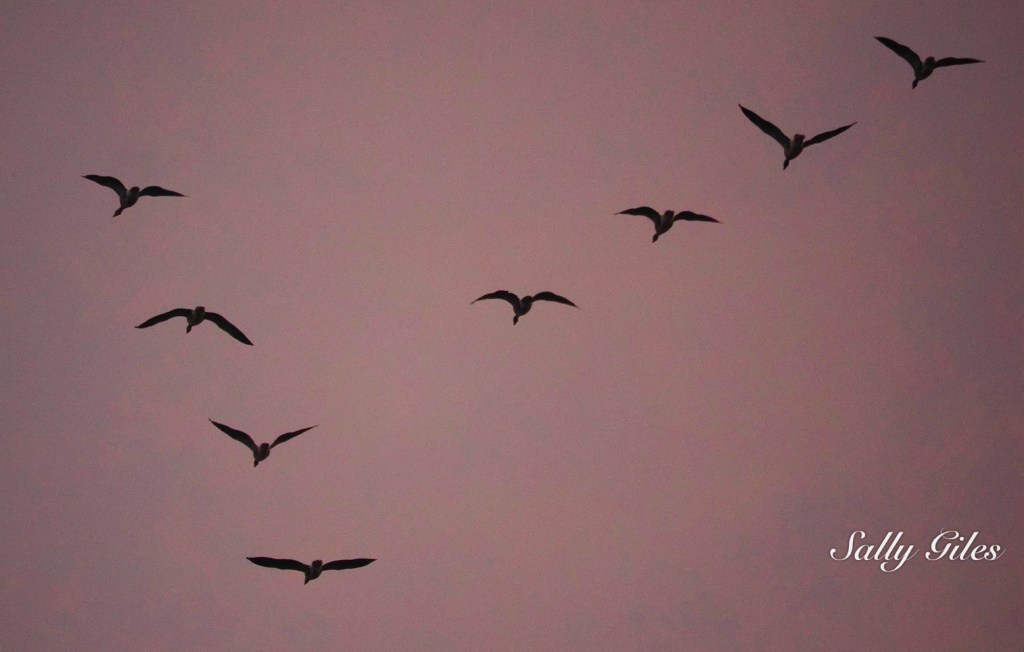
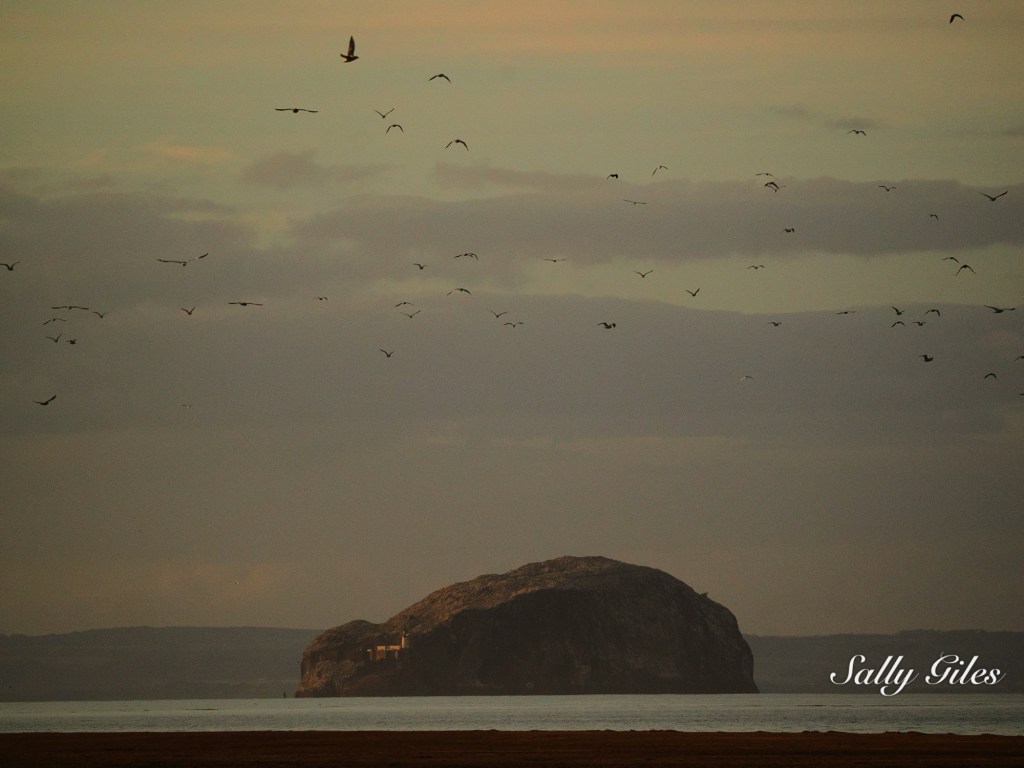
The beaches were busy with waders, gulls and all manner of coastal life, giving me plenty of opportunities to stop, watch and take photographs.
There are few things I enjoy more than a walk where there is absolutely no pressure to hurry, particularly when the camera is earning its keep.
John Muir would, I hope, have approved.
On Thursday we said goodbye to the coast and turned inland towards Peebles.
Once again, the landscape changed around us.
The wide horizons and windswept beaches of East Lothian gradually gave way to the softer hills, wooded valleys and winding rivers of the Scottish Borders.
Peebles – Along the River Tweed
Peebles is a handsome old market town sitting beside the River Tweed, surrounded by hills and woodland. It has a long history as a royal burgh, with medieval roots and centuries of trade linked to the surrounding farming communities and, later, the textile industry.
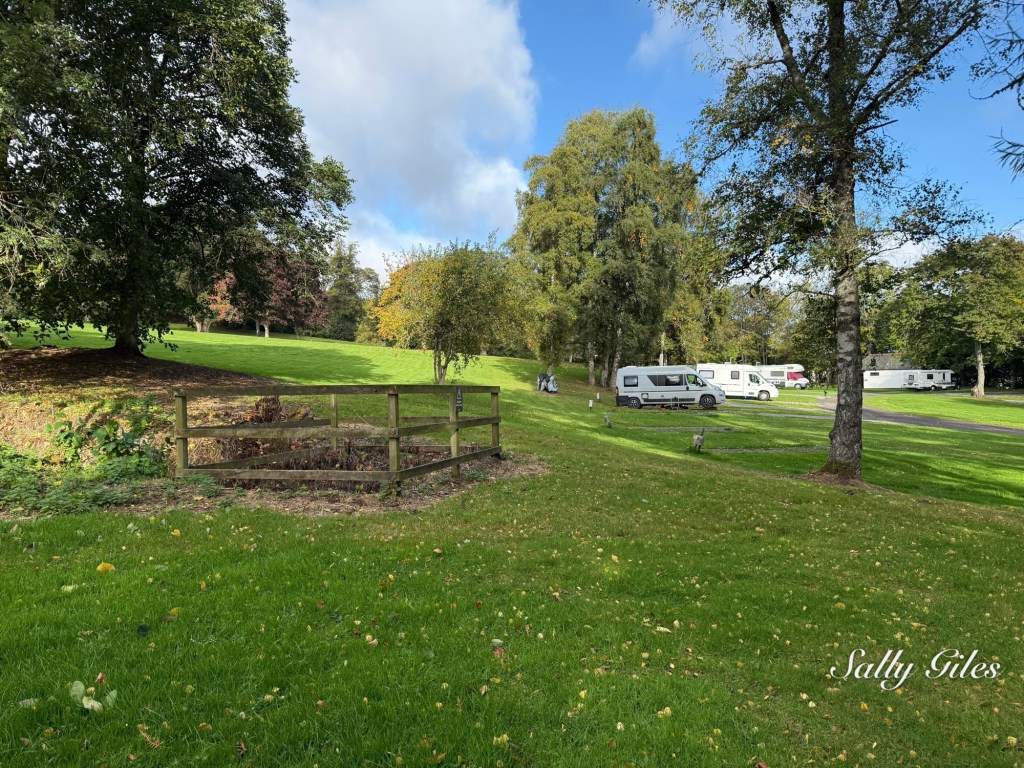
These days it is also a popular centre for walking and cycling, with the nearby Tweed Valley offering some of Scotland’s finest woodland trails.
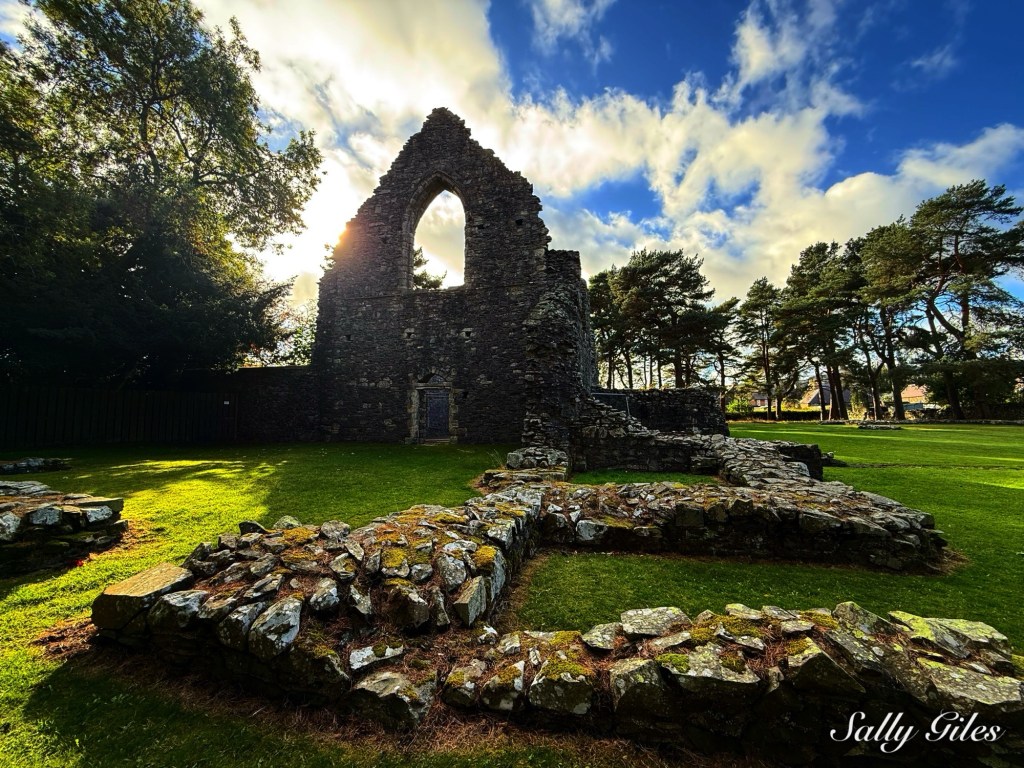
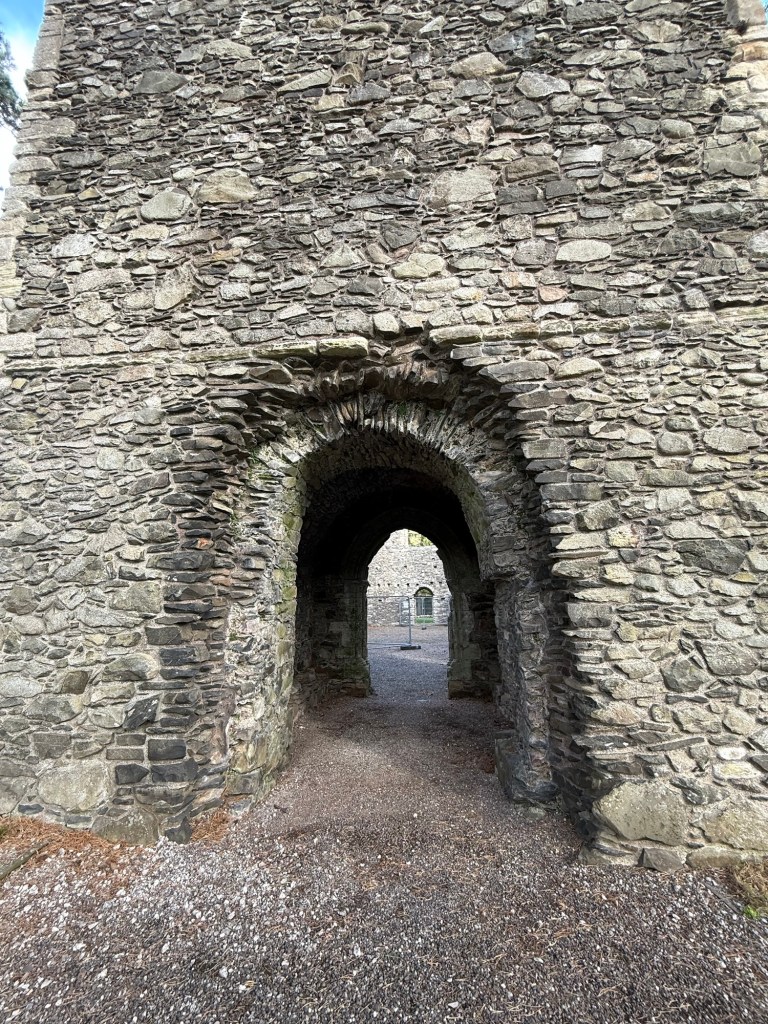
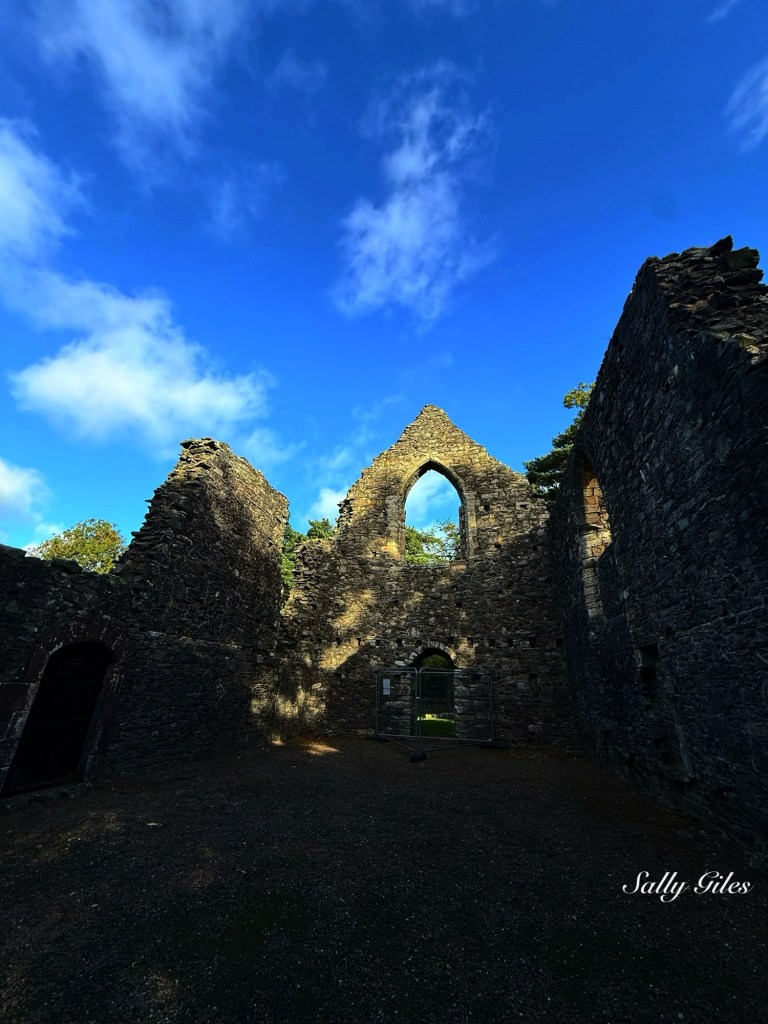
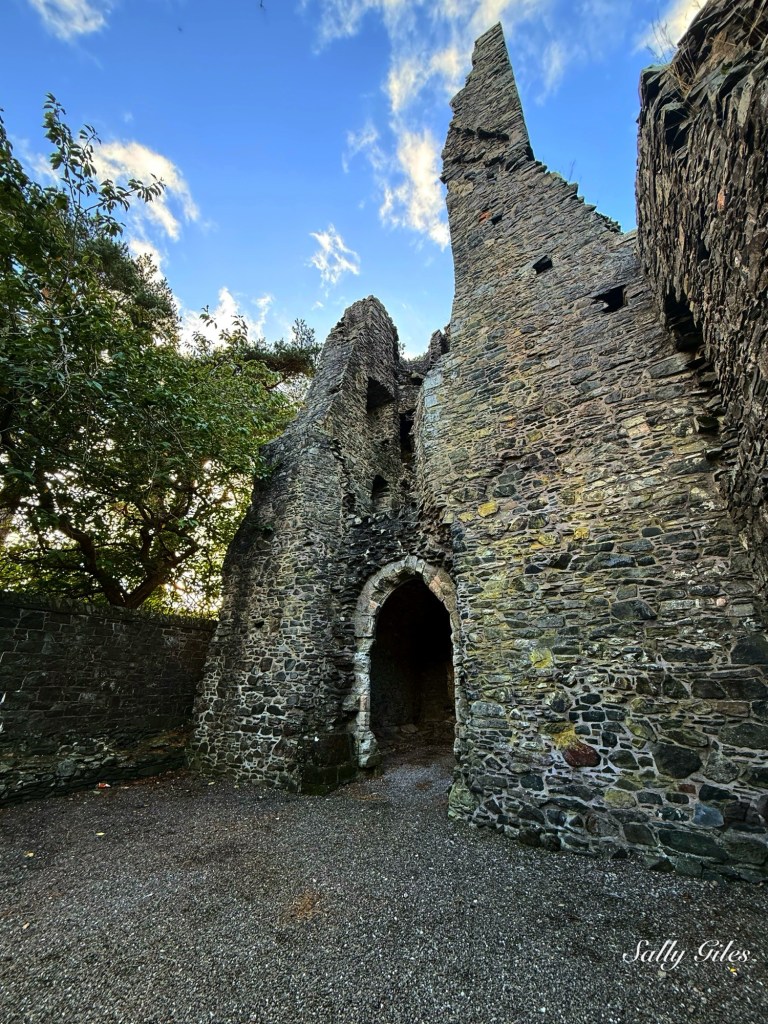
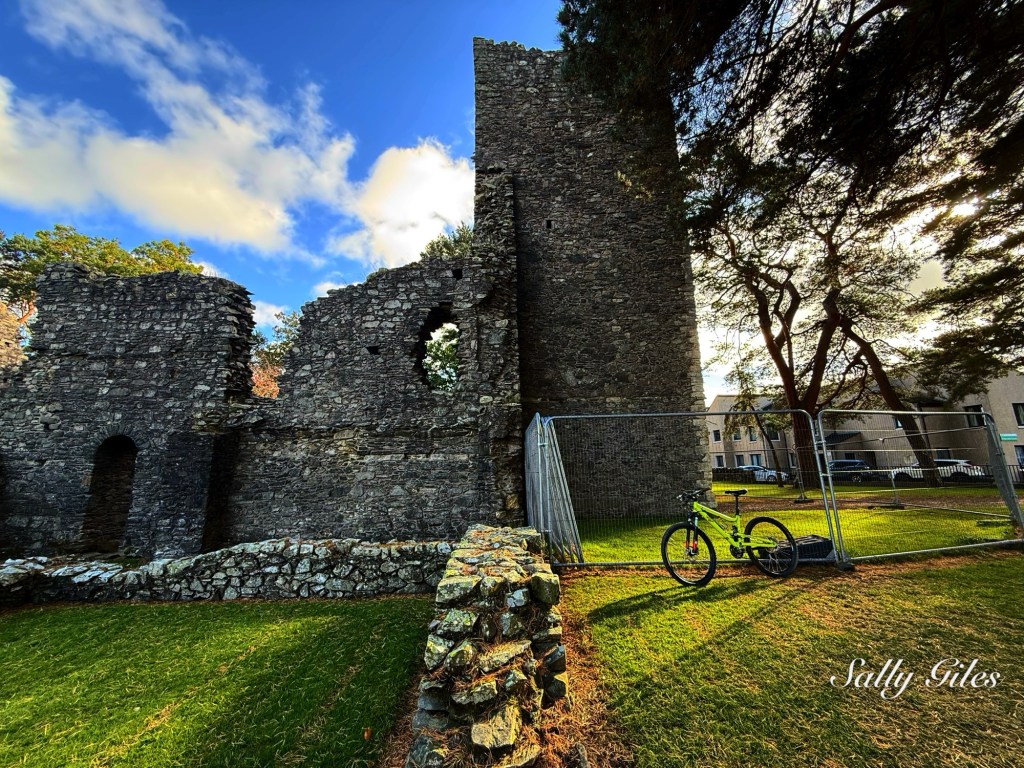
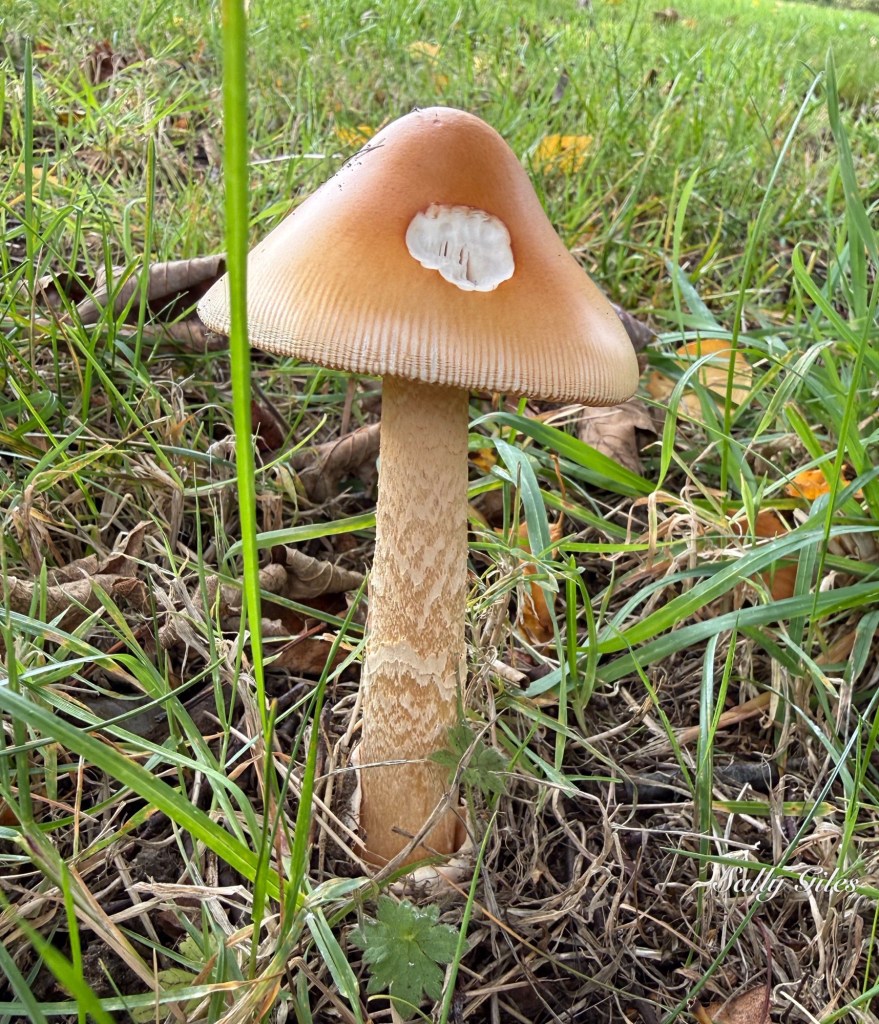
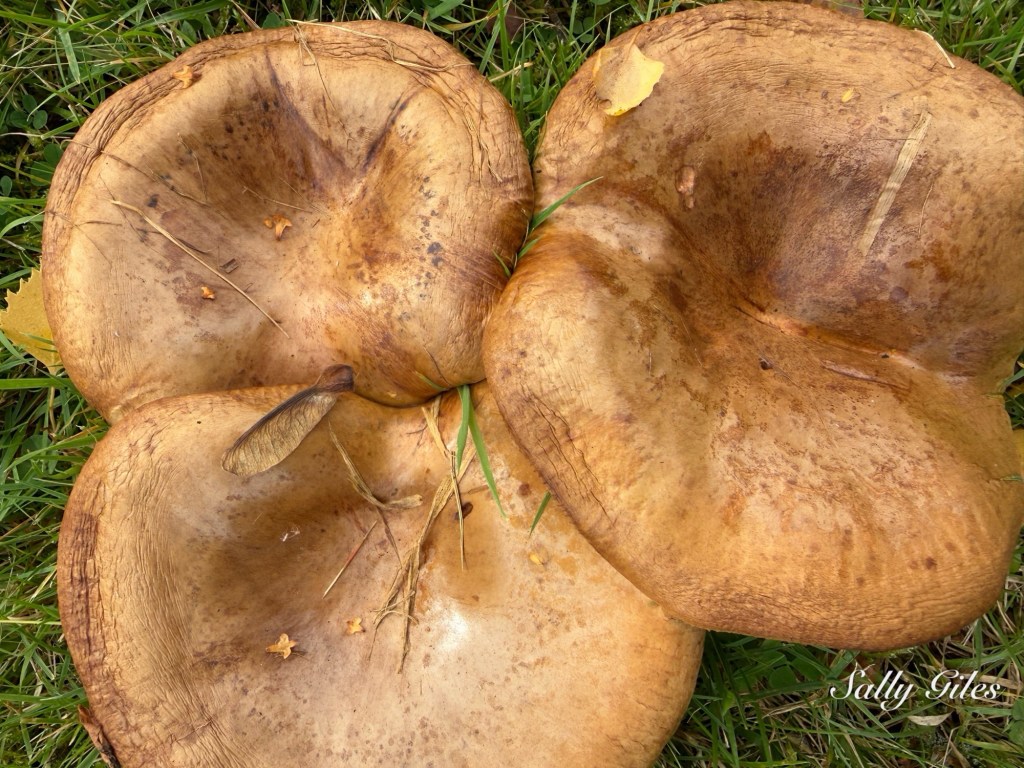
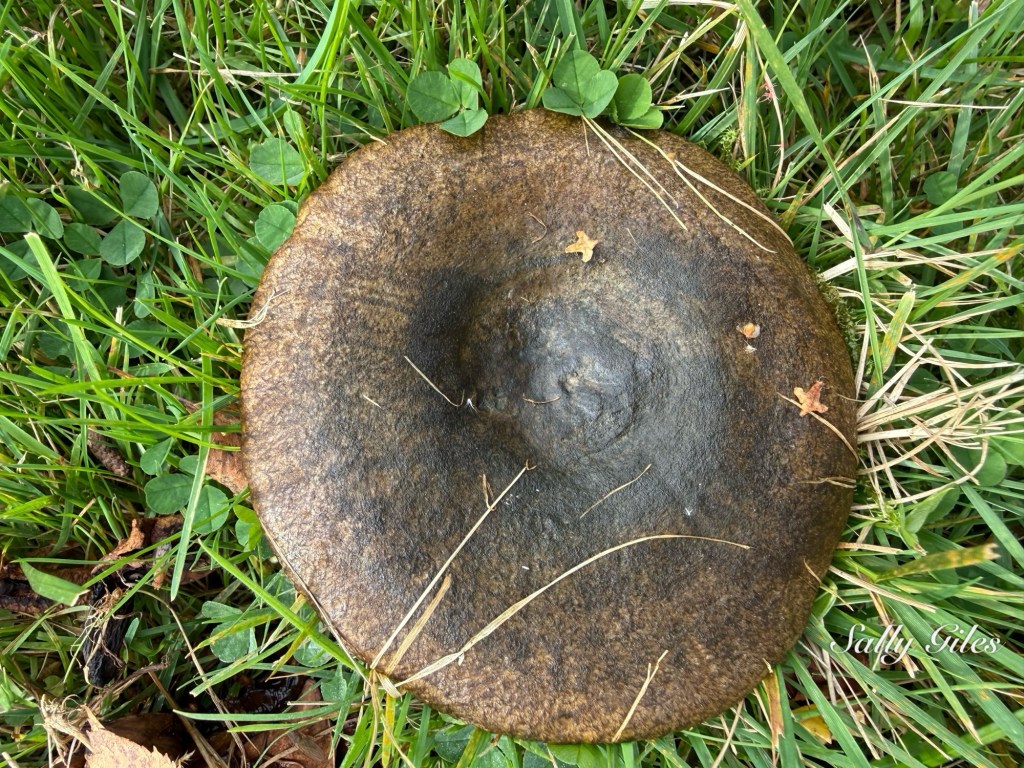
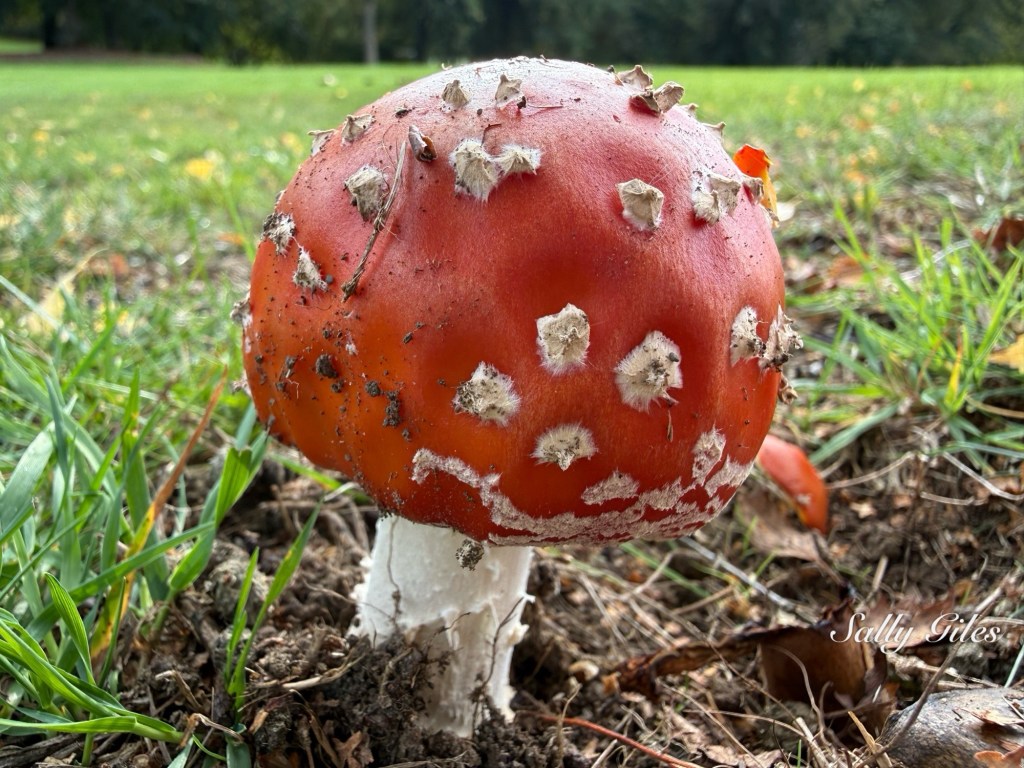
We spent Thursday afternoon wandering through town, enjoying a leisurely pub lunch and browsing the shops before returning to the van, stopping to admire the vast collection of mushrooms around the van!
Friday was Mark’s cycling day.
As cycling isn’t particularly Pepper-friendly, we take turns exploring on two wheels while the other takes charge of our four-legged companion.
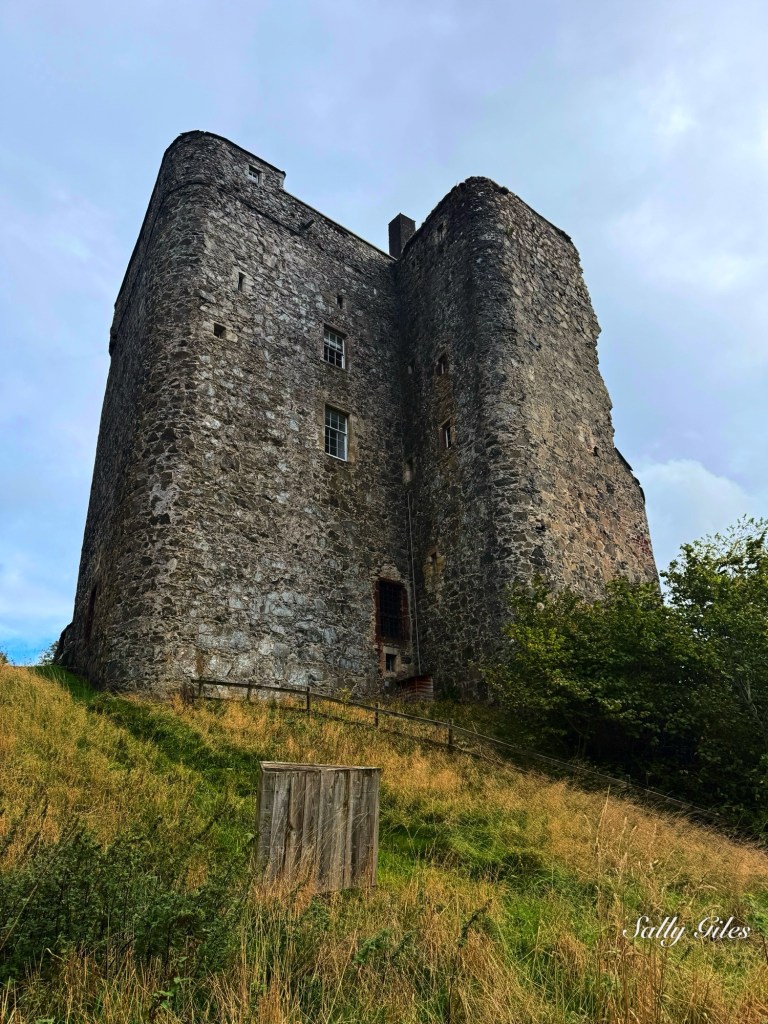
So, while Mark headed off on his bike, Pepper and I set out on foot towards Neidpath Castle.
The weather was distinctly changeable.
We began in damp, rather miserable conditions, but gradually the clouds lifted and the day transformed into something quite beautiful.
Naturally, I was wearing entirely too many clothes.
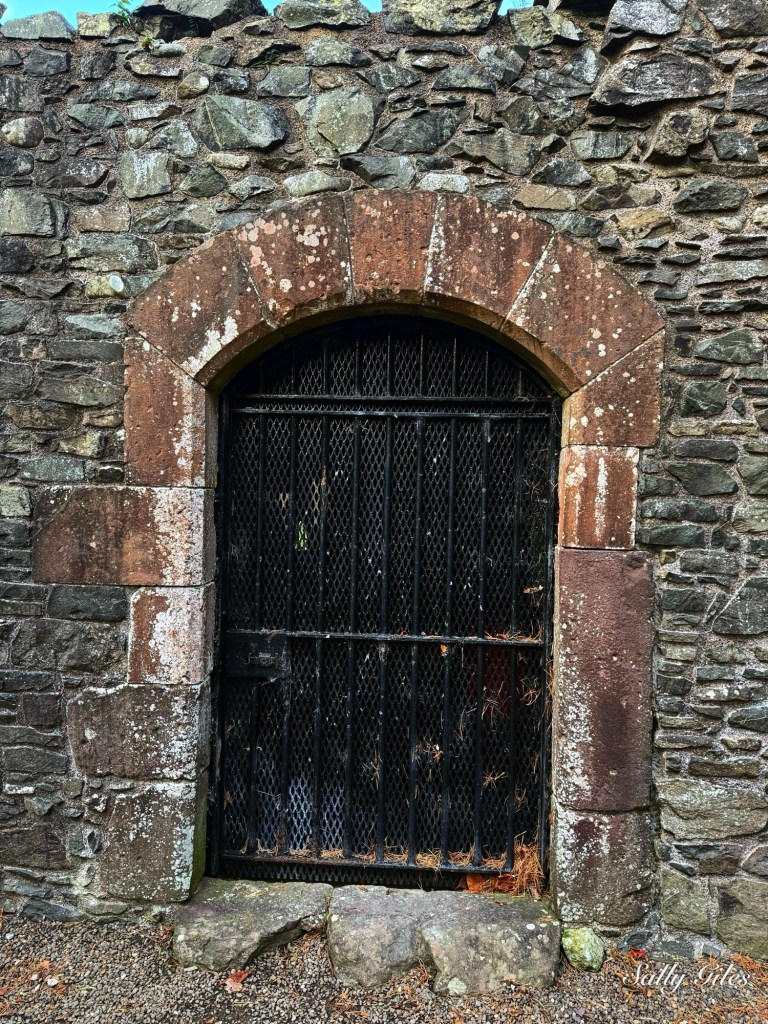
Neidpath Castle stands dramatically above a bend in the River Tweed, its imposing stone walls rising above the surrounding woodland. The castle dates largely from the fourteenth century and has watched over this stretch of the valley through centuries of Border history.
From there we followed the river back towards Peebles.
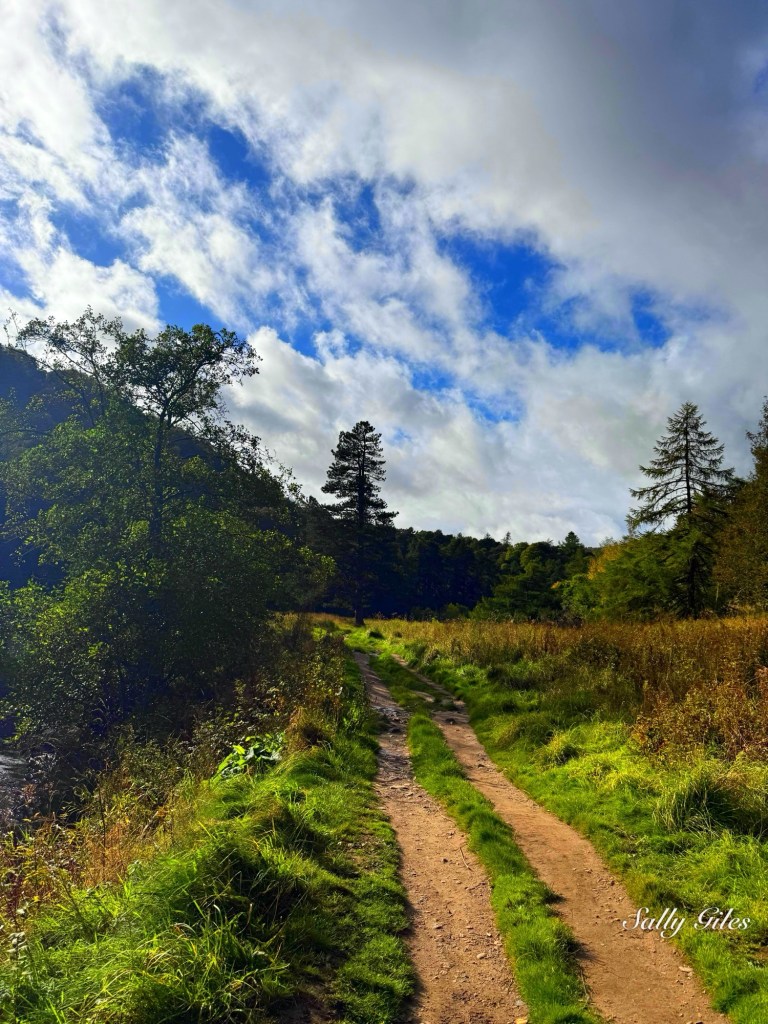
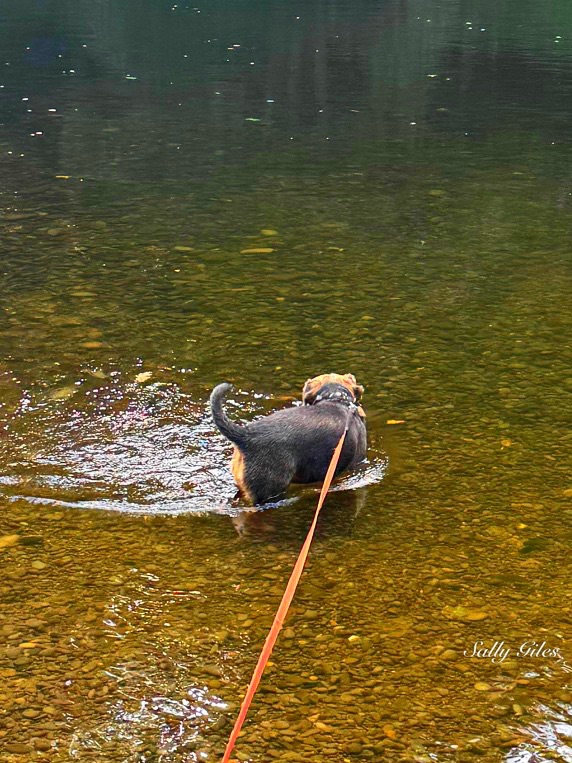
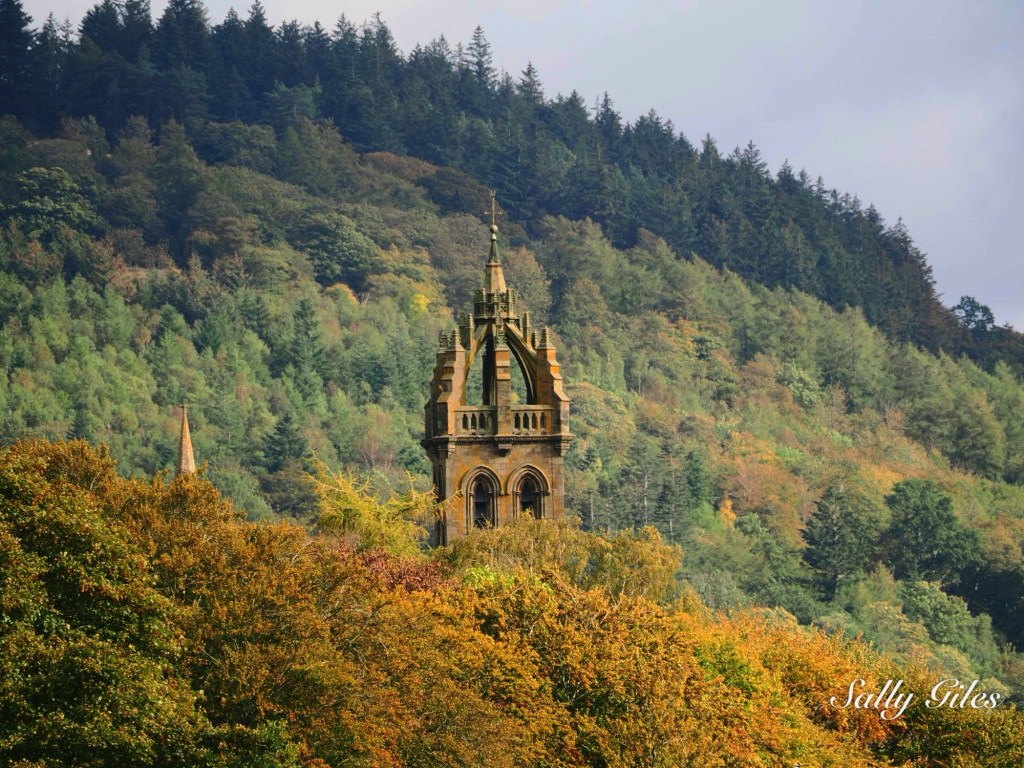
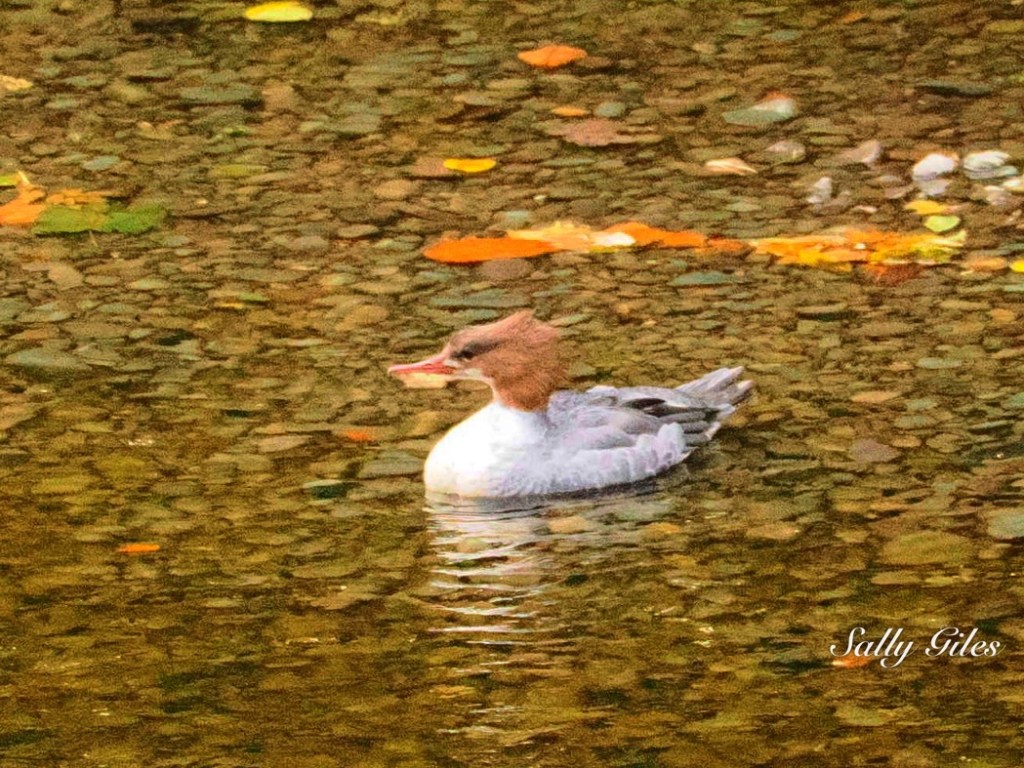
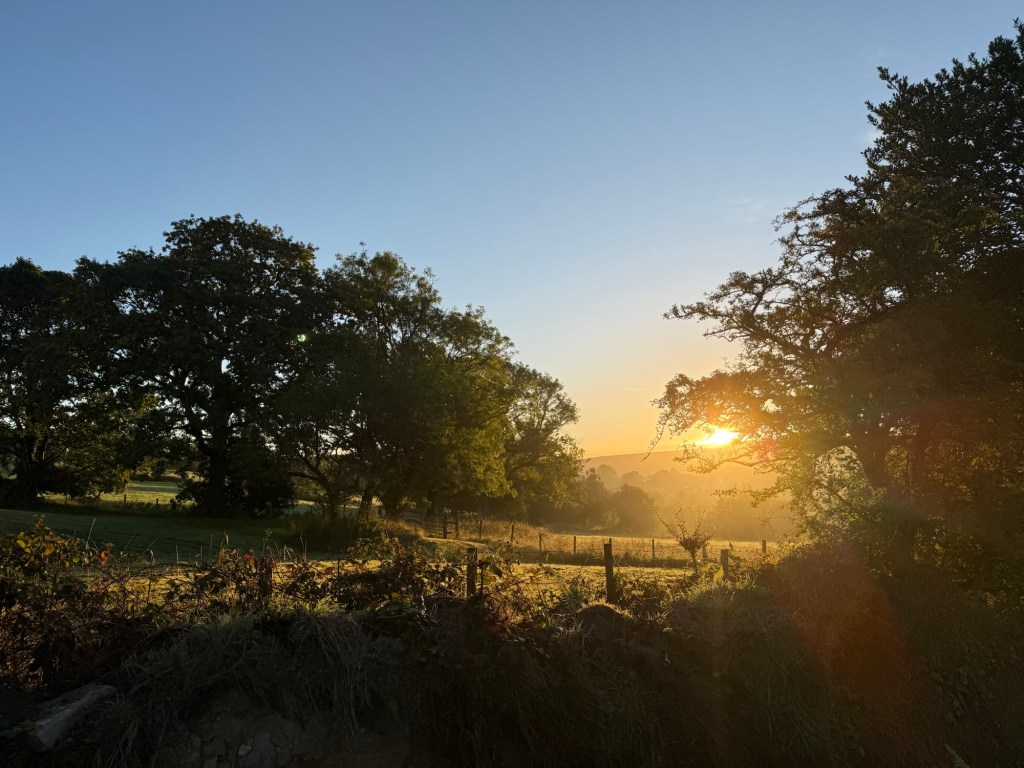
The Tweed is beautiful here, winding through wooded banks where the first autumn colours were beginning to appear. There were lovely stretches of quiet walking, with the river providing a constant companion as we made our way back towards town.
By now the sun was shining, the temperature had risen considerably and I was carrying rather more clothing than I was wearing.
All was going splendidly.
Until we were approximately five minutes from the van.
Then the heavens opened.
Not a gentle shower.
Proper, enthusiastic Scottish rain.
We arrived back absolutely soaked.
Apparently the weather had been waiting for precisely the right moment.
That evening we were all tired, happy and very content to settle down to a good dinner in the van.
A Bicycle Ride to Innerleithen
Saturday was my turn on the bike.
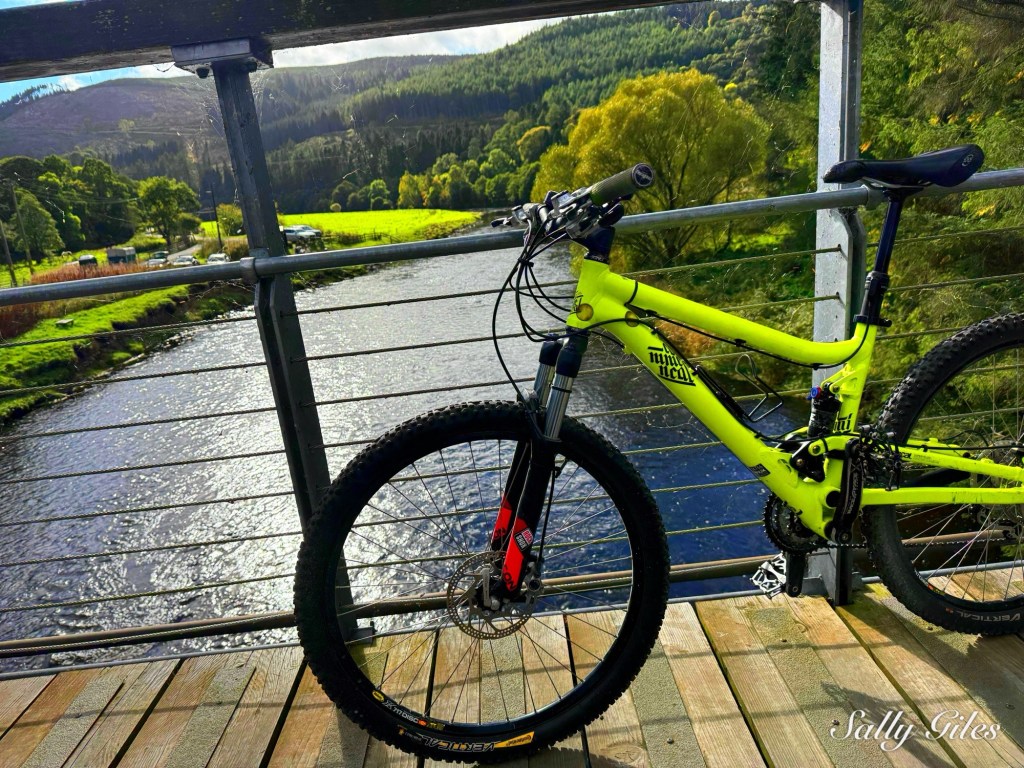
My plan was a gentle ride along the cycle path from Peebles to Innerleithen, following the Tweed Valley through woodland and countryside.
Sixteen miles there and back.
Perfectly manageable.
The outward journey was delightful.
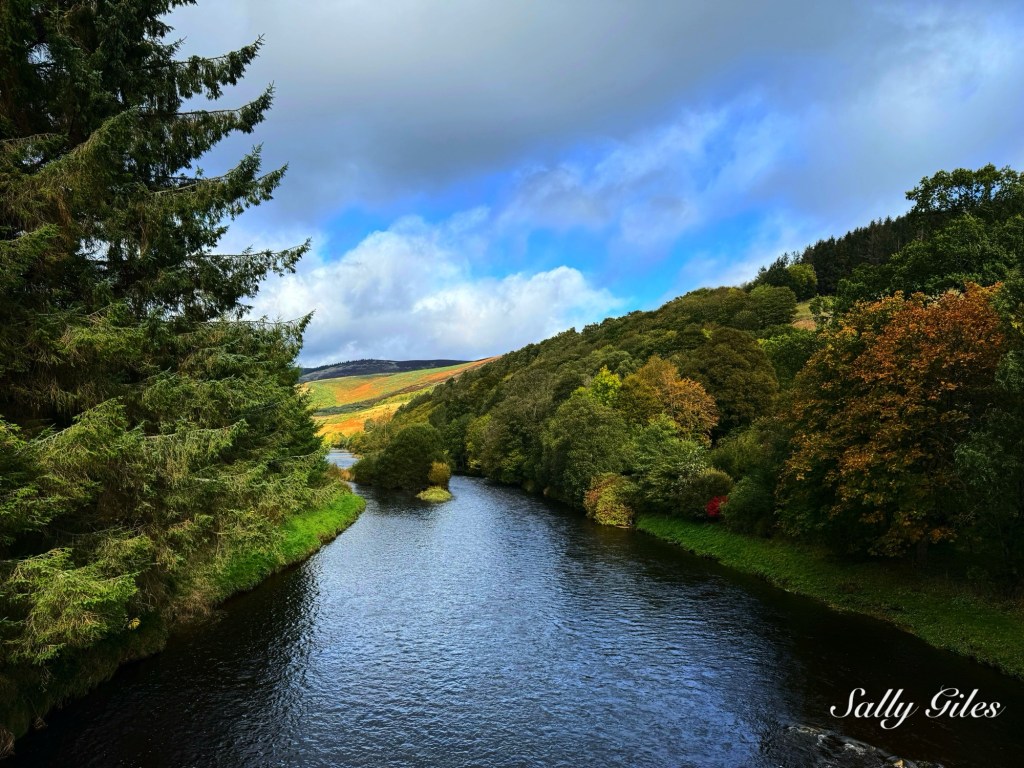
The route followed the river through beautiful autumn scenery, with trees beginning to turn and the Tweed flowing quietly beside me.
I stopped frequently to look for wildlife, which is, of course, one of the advantages of cycling alone.
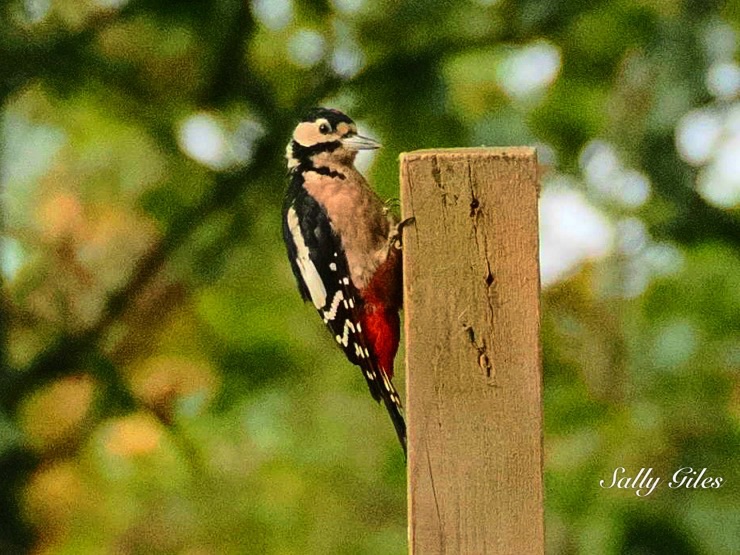
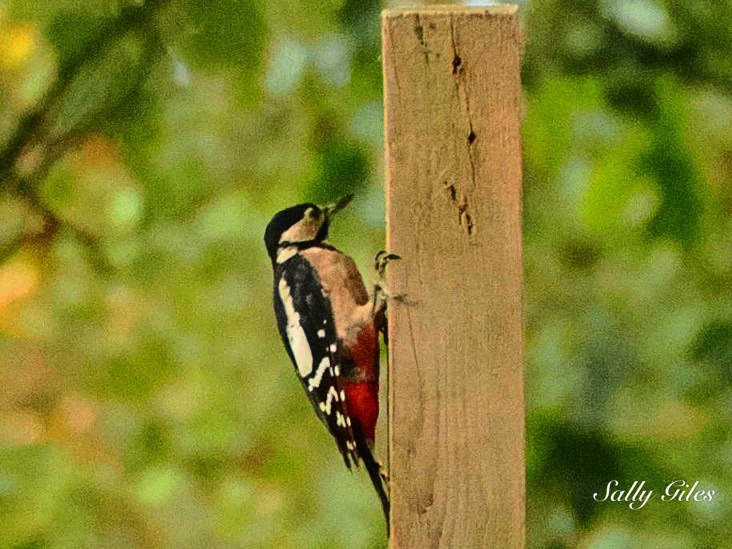
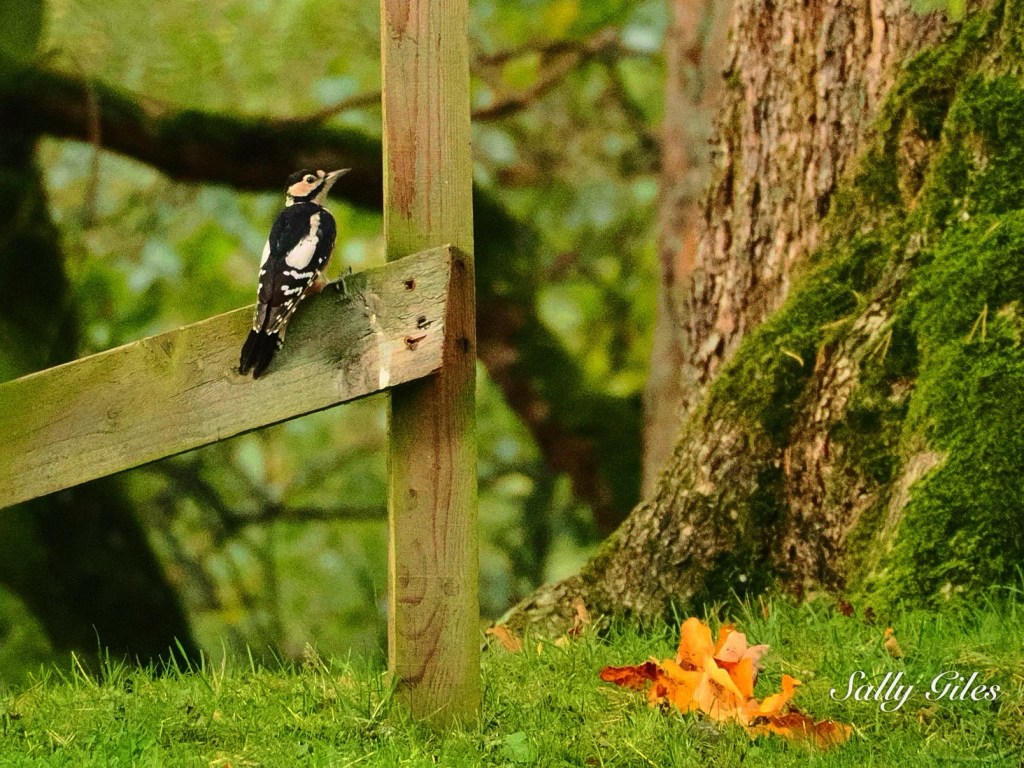
Kingfishers flashed along the river, those wonderful electric-blue streaks that never fail to make me smile. In the woodland I also spotted a great spotted woodpecker, another lovely reward for taking my time.
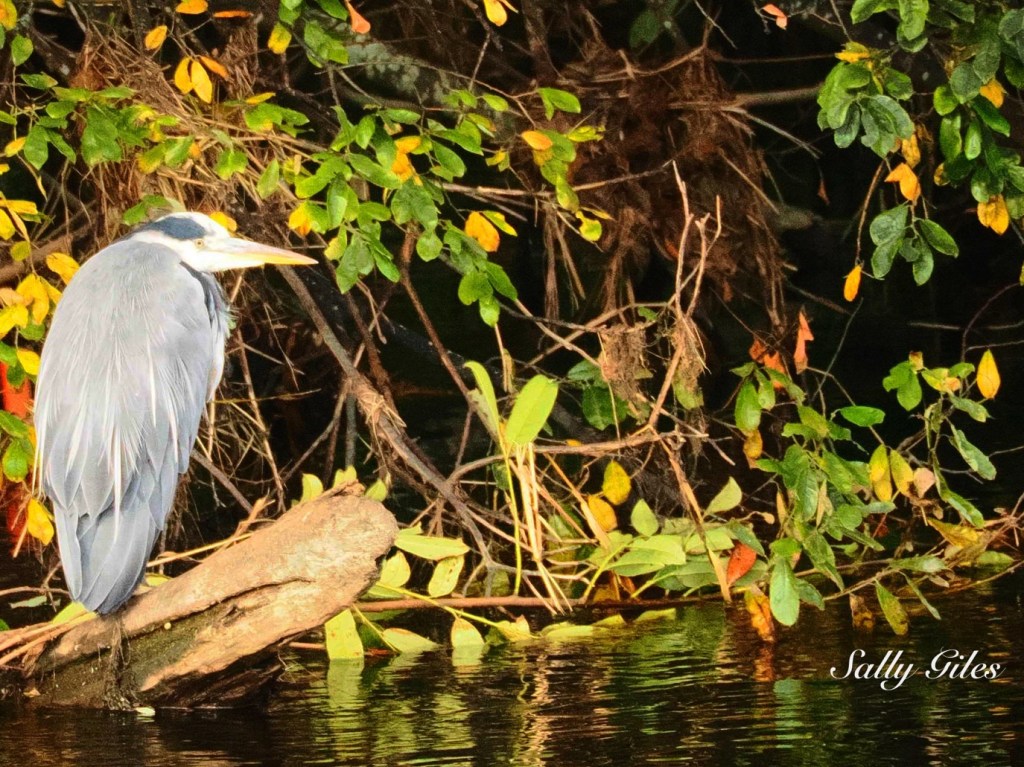
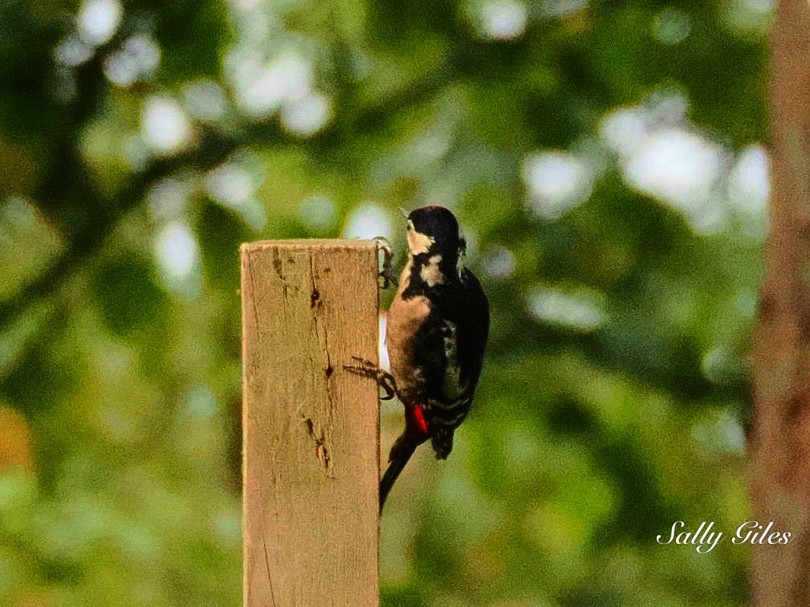
I reached Innerleithen feeling rather pleased with myself.
Then I turned around.
And discovered the wind.
The gentle breeze that had apparently been helping me along on the outward journey was now blowing directly into my face.
The return trip seemed to take approximately twice as long.
Every pedal stroke felt like considerably more effort than it had any right to be.
Still, sixteen miles completed, some lovely wildlife encounters and another little corner of Scotland explored.
I returned to the van ready for a rest.
Our final evening was celebrated with a Chinese takeaway, eaten in the comfort of our little home on wheels.
After a week of walking, cycling, birdwatching, wind, rain, sunshine and excellent food, it felt like exactly the right way to finish.
And there was one more little treat during our stay in Peebles: The Northern Lights.
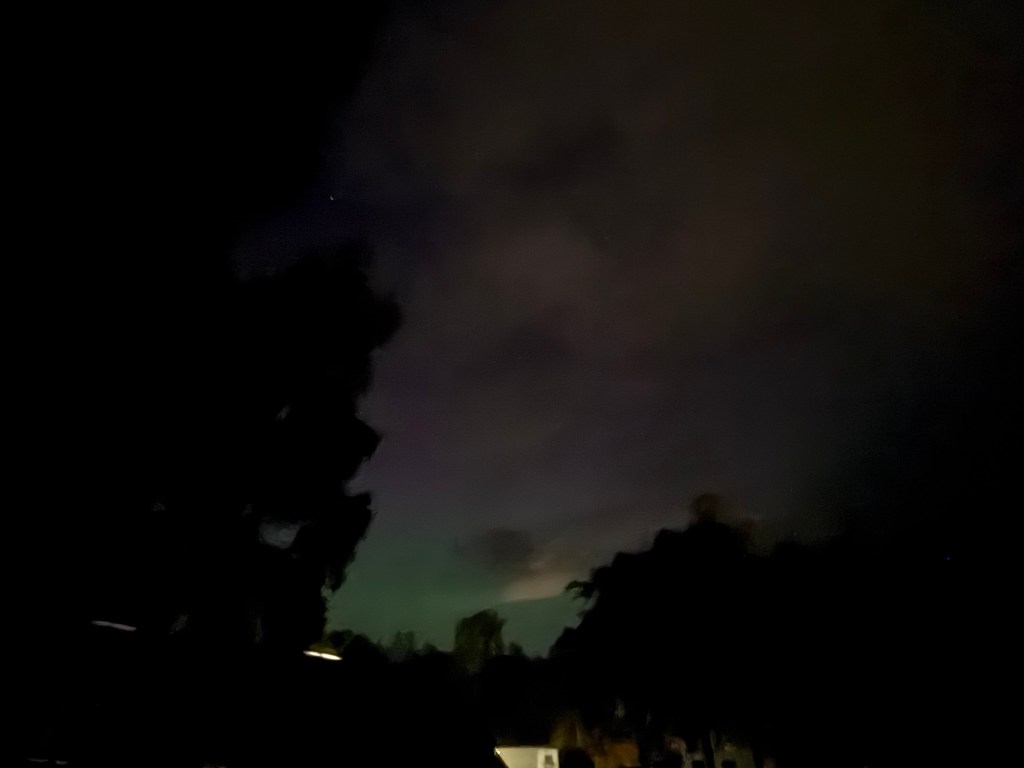
There had been reports of aurora activity, and naturally I was rather excited at the prospect of seeing them dancing above the Scottish Borders. Unfortunately, the weather had other ideas.
Clouds covered much of the sky, stubbornly obscuring the display. But for a brief moment, the cloud broke just enough to reveal a glimpse of the aurora beyond.
It wasn’t the spectacular celestial light show I’d hoped for, but there was something rather magical about catching even a fleeting glimpse of those distant lights through the clouds.
A little reminder that sometimes nature offers just enough to keep you looking upwards.
And, given the amount of time I’ve spent recently experimenting with night skies and landscape photography, I was delighted.
Even if the clouds did rather steal the show.
The Long Way Home
On Sunday morning it was time to pack up and head home.
There is always something slightly sad about the final morning of a holiday. The little routines we’ve established over the week are dismantled, the chairs folded away and everything carefully stowed for the journey.
But what a lovely week it had been.
We’d watched wading birds across the Solway, wandered Dunbar’s wild coastline, followed the River Tweed through autumn woodland and even caught a fleeting glimpse of the Northern Lights above Peebles.
We’d eaten wonderfully, been thoroughly sandblasted, repeatedly soaked and occasionally dressed for entirely the wrong season.
And somewhere amongst it all, we’d found those little moments that make travelling in the van so special.
The sound of curlews over an evening estuary. Rain on the roof while we’re warm inside. A kingfisher flashing along the river. The pleasure of coming home tired after a day outdoors, with nothing more pressing to consider than what to have for dinner.
Three very different places, connected by the simple pleasure of slowing down and exploring them.
And, as always, the best memories weren’t necessarily the things we’d planned.
They were the things we noticed along the way.




Leave a Reply